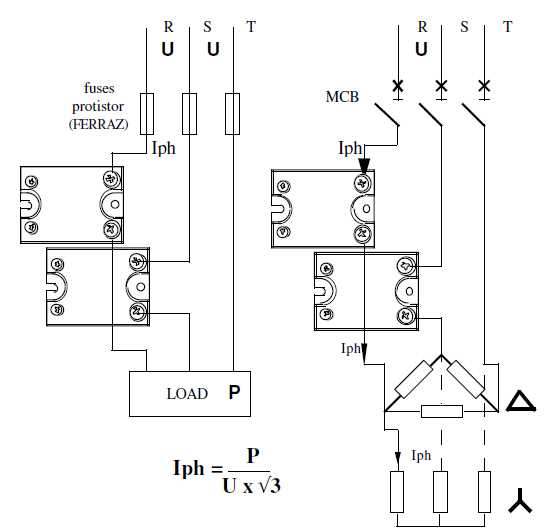
Start by choosing a proper power source, typically 230V for most home appliances. Connect the live wire to one terminal of the resistor, and link the other terminal to a relay or switch for control. Make sure the circuit is equipped with appropriate fuses to prevent overload and ensure safety.
For precise control, integrate a temperature sensor that can be linked to a thermostat or microcontroller. This allows the system to turn off the power when the target temperature is reached, protecting against overheating. A thermistor or RTD is commonly used for this purpose, with the sensor placed near the heating source to monitor temperature effectively.
Next, consider using a contactor or solid-state relay for switching higher current loads, especially if the system draws significant power. A relay with appropriate voltage and current ratings will ensure proper functionality and prevent damage to the components. Ensure the relay is rated for the high power demands of your specific setup.
For added stability, place decoupling capacitors across the power input to minimize voltage spikes and smooth out fluctuations in the electrical supply. A 100nF ceramic capacitor works well in most situations.
Finally, ensure all connections are insulated properly and secure to avoid short circuits or accidental disconnections. This is particularly important when working with high voltages or in wet environments, where water could compromise the safety of the setup.
Understanding the Wiring for High-Power Resistance Components
To begin with, connect the live wire from the power supply to one side of the resistive component, ensuring it matches the required voltage for your application. The other side of the resistor connects to the switching mechanism, which can either be a mechanical relay or a solid-state relay depending on the desired control precision.
For controlled power delivery, integrate a temperature sensor into the system. The sensor should be placed near the heat-generating resistor, allowing it to monitor temperature changes. When the sensor detects that the desired temperature has been reached, it sends a signal to the relay to cut off the power supply, preventing overheating.
Power Control and Safety Features
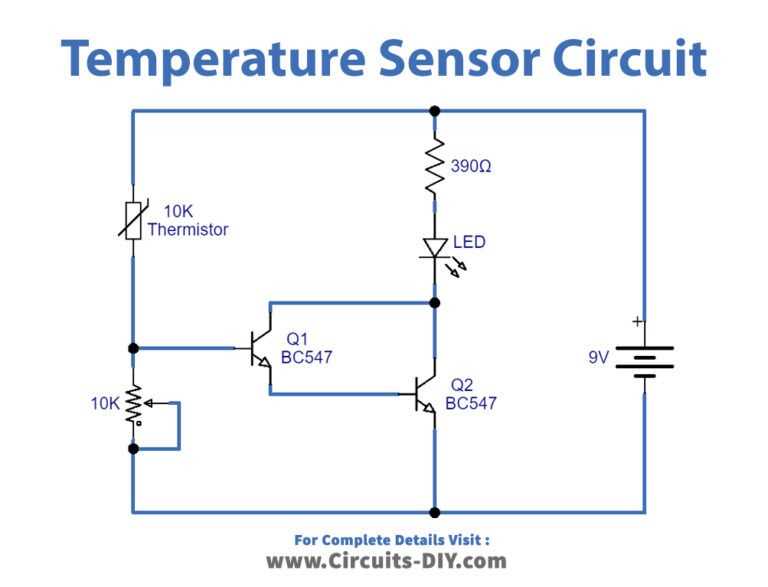
Include a thermal fuse or breaker in the setup to safeguard against accidental overheating. The thermal fuse should be connected in series with the main power line, interrupting the flow of current when a preset temperature is exceeded. This adds a layer of protection against potential system failure or fires.
Next, ensure the resistor is rated for the appropriate power output. For high-power applications, use wire-wound resistors that can withstand significant heat. Check the resistor’s maximum power rating to avoid overheating and damage. This information is critical to prevent the resistor from burning out during operation.
Incorporating Additional Control Mechanisms
If the system requires more complex temperature management, consider using a microcontroller to control the relay and sensors. This setup allows for programming the temperature thresholds, power cycles, and even automated operation based on external conditions. For a more advanced design, integrating Wi-Fi or Bluetooth can enable remote monitoring and control.
When wiring multiple high-power components, be mindful of the wire thickness. Use cables rated for higher amperage to prevent overheating of the wiring. A 12 AWG or 14 AWG wire is commonly used for medium to high-power systems, depending on the current demands of the setup.
Lastly, always ensure the connections are insulated properly. Insulating the power wires and resistors can help prevent accidental contact, which could cause short circuits or electrical shocks. Additionally, using heat-resistant insulating materials is important to maintain safety during extended periods of operation.
Wiring Heating Units for Residential Heating Systems
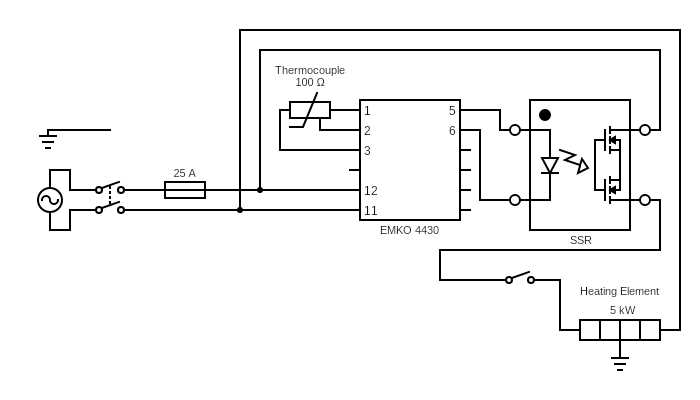
Start by determining the power requirements for your setup. For typical home heating systems, a 220V or 240V power supply is often needed. Ensure that the wiring is capable of handling the required amperage, and select appropriate wire gauge, such as 12 AWG or 10 AWG, depending on the current demand of the unit.
Next, connect the live wire from the power source to one terminal of the resistive coil or wire. The other terminal connects to a relay or thermal switch, which will allow you to control the flow of electricity. The relay should be rated for the power your system consumes to ensure reliable operation without overloads.
To manage temperature, install a thermostat or temperature sensor in proximity to the heating unit. A simple mechanical thermostat can be used for on/off control, while a digital controller will allow for more precise adjustments and automated shutdown when the desired temperature is reached.
It’s also a good idea to include a thermal fuse or breaker for additional protection. These devices automatically cut off the power if the system reaches unsafe temperatures, preventing potential damage or fire hazards. Choose a fuse or breaker rated just above the typical operating temperature but below the maximum safe threshold.
For higher-power applications, consider using a contactor or solid-state relay to handle large currents. These components can be controlled by a low-voltage signal from a thermostat or timer, reducing the risk of wear on mechanical relays and ensuring reliable performance in the long term.
Ensure that all connections are tight and properly insulated to avoid accidental short circuits. Use heat-resistant insulation materials, especially for wires near the resistive components, to prevent heat buildup and degradation over time.
Finally, verify all components are compatible with each other and adhere to local electrical codes. Proper installation is crucial for both safety and efficiency, so always double-check the ratings of components and ensure the system is grounded correctly to prevent electrical shocks or other hazards.