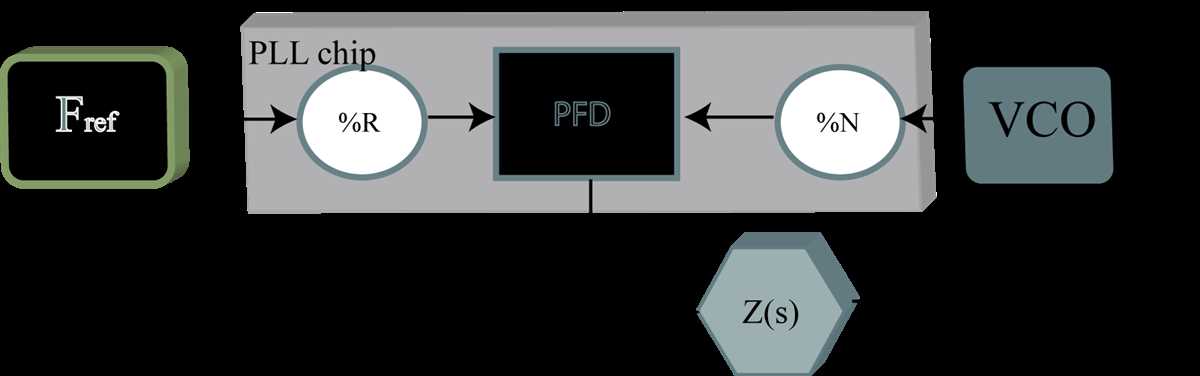
Use a phase locked loop architecture with a stable crystal reference if a radio system requires adjustable signal generation across multiple channels. A quartz oscillator often runs at 10 MHz, 16 MHz, or 25 MHz and feeds the reference input of the PLL controller.
The signal generation chain normally contains a reference source, phase detector, loop filter, programmable divider, and voltage controlled oscillator. The oscillator produces the RF signal, while the divider scales the output before returning it to the phase detector. Matching the divided output with the reference signal keeps the oscillator locked to a stable reference.
Channel selection occurs by changing the divider value through digital control lines such as SPI or parallel data pins. For example, with a 10 MHz reference and a divider ratio of 100, the output signal reaches 1 GHz when the oscillator supports that range.
The loop filter between the phase detector and voltage controlled oscillator determines stability and settling time. Passive filters built from resistors in the 1 kΩ–100 kΩ range and capacitors between 1 nF and 1 µF shape the control voltage applied to the oscillator tuning input.
Layout also affects signal purity. Place the crystal source close to the PLL chip, route RF traces with controlled impedance, and isolate digital control lines from the oscillator path. Proper placement lowers phase noise and prevents interference inside high-frequency radio equipment.
Frequency Synthesizer Circuit Diagram With PLL Blocks Oscillator and Divider Stages
Place the crystal reference close to the PLL controller and keep the trace length under 20–30 mm. A quartz source operating at 10 MHz or 16 MHz feeds the phase detector input and sets the stability of the generated RF signal.
PLL Control Blocks and Signal Path
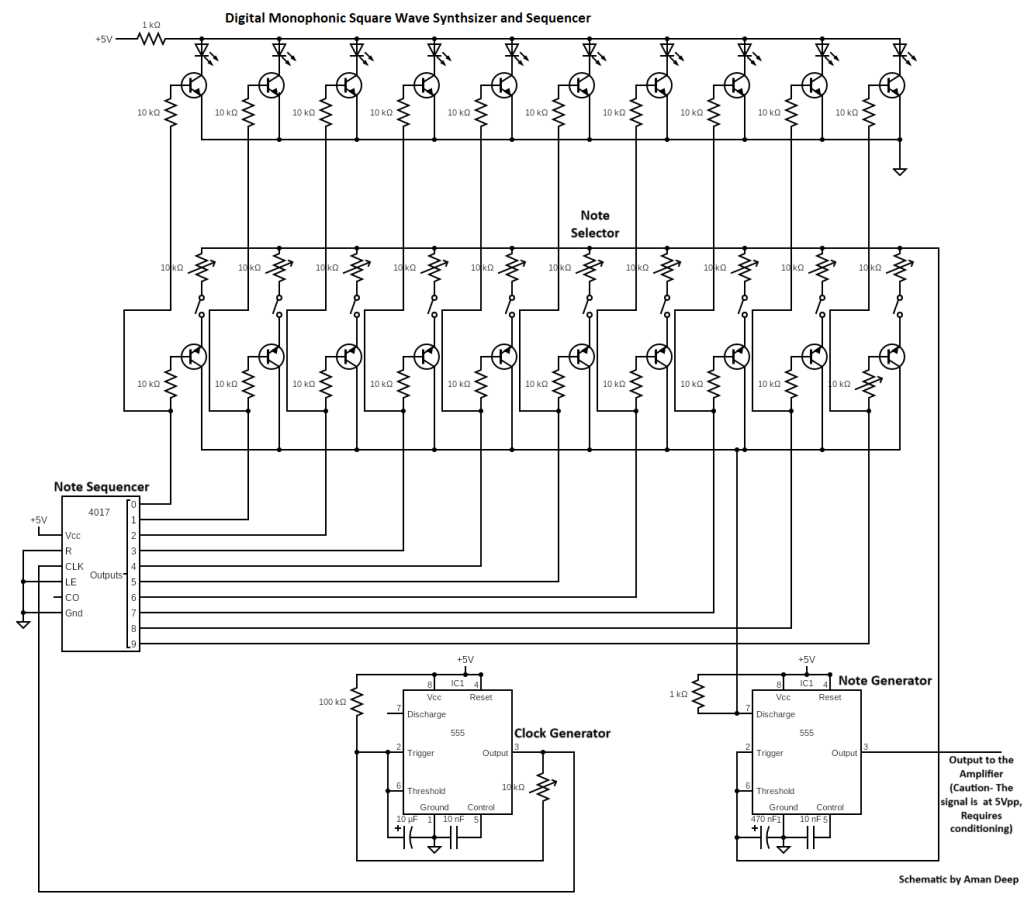
The signal chain usually contains a reference source, phase detector, loop filter, programmable divider, and voltage controlled oscillator. The detector compares the reference signal with the divided oscillator output. Any phase difference produces a control voltage that adjusts the oscillator tuning input.
The divider stage determines the output signal step size. With a 10 MHz reference and divider value of 100, the oscillator locks near 1 GHz. Changing the divider through SPI or parallel control lines shifts the generated channel while the PLL keeps the signal locked to the reference.
Loop Filter and Stability
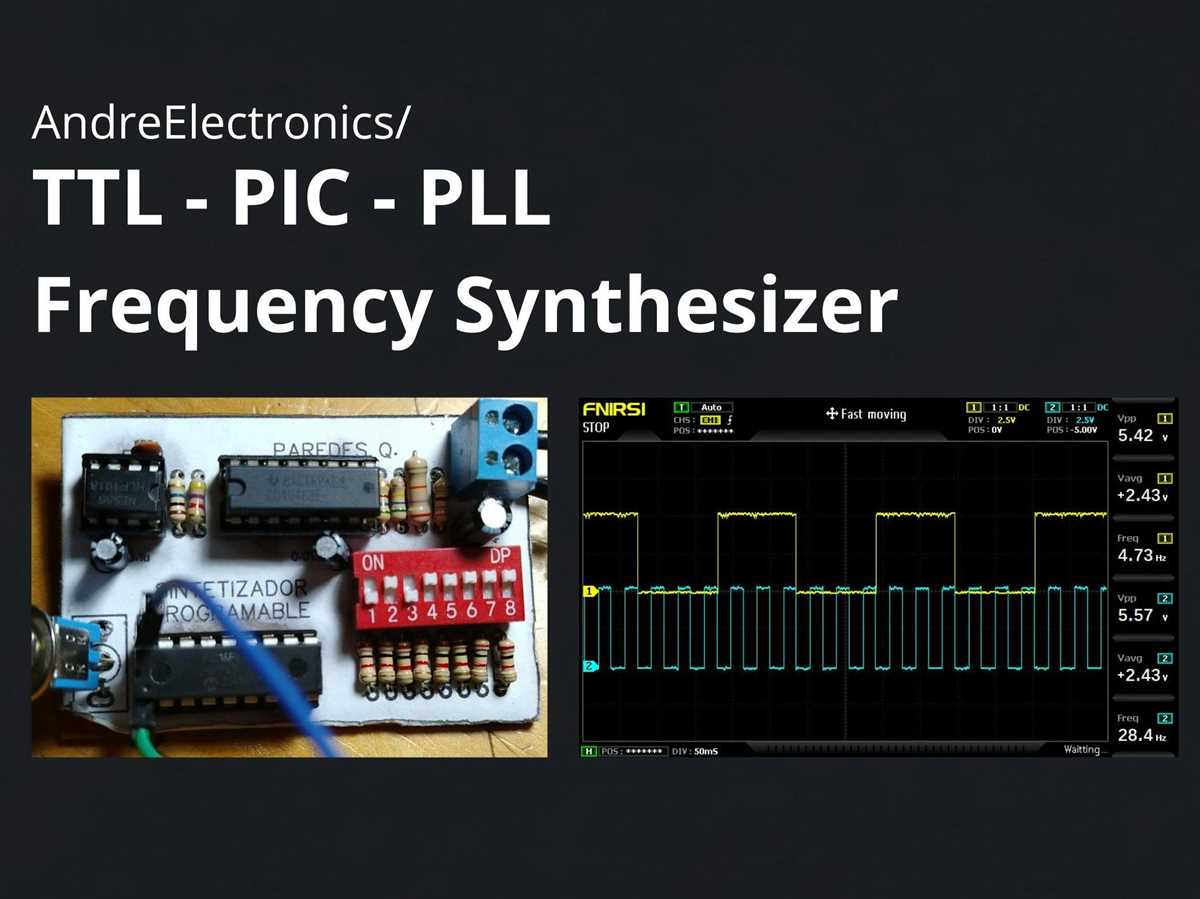
The filter between detector output and oscillator input smooths the control voltage. Passive networks often contain resistors between 1 kΩ and 50 kΩ and capacitors from 1 nF to 100 nF. These components define lock time, phase noise behavior, and stability during rapid channel switching.
Board layout strongly affects RF purity. Keep the oscillator trace short, route high-speed digital lines away from the tuning node, and place ground vias around the PLL region. Shielding the RF section with a ground plane lowers interference and maintains stable signal generation across wide tuning ranges.
Reference Oscillator and Phase Locked Loop Block Connections in Frequency Synthesizer Design
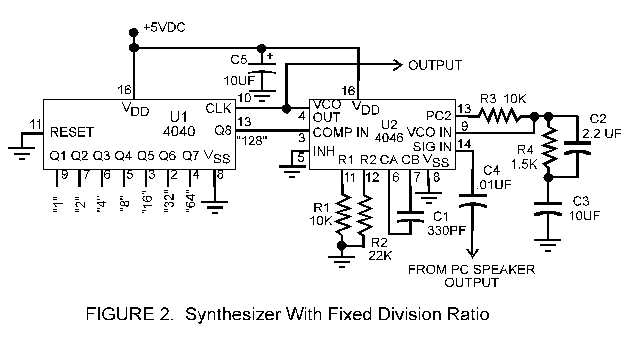
Mount the crystal reference within a few millimeters of the PLL chip and connect it through short traces with small load capacitors, usually 18–33 pF. A quartz source running at 10 MHz, 12.8 MHz, or 16 MHz feeds the reference input of the phase detector and defines the stability of the generated RF signal. Place the capacitors directly between each crystal terminal and ground to reduce stray capacitance and maintain stable oscillation.
The PLL block links several stages in a closed feedback path: reference source → phase detector → loop filter → voltage controlled oscillator → programmable divider → return line to the detector. The detector compares the reference signal with the divided oscillator output and produces a control voltage that adjusts the oscillator tuning node. Stable operation depends on proper grounding, short RF paths, and filtered supply lines using 100 nF ceramic capacitors placed close to the PLL power pins.