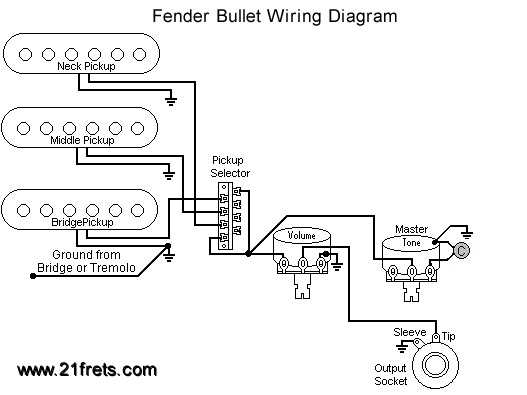
When setting up the electrical components of your guitar, start by understanding the layout of the connections. One of the first things to check is the configuration of the pickups and their connections to the volume and tone controls. Ensure the correct paths are made between the pickups and the output jack, as even a small misconnection can affect your sound and performance. The layout you choose will impact not only the tone but also how you control different frequencies and the overall response of your instrument.
Check the tone controls and their capacitors. When wiring your instrument, pay close attention to the values of the capacitors linked to the tone pots. Different values will provide varying tonal qualities, so it’s crucial to choose the correct ones for your desired sound. A typical configuration uses a 0.022µF capacitor, but if you want a more mellow sound, a 0.047µF might be the better choice. These subtle changes in capacitor values will influence the tonal range of your guitar.
Don’t forget the grounding system. Grounding is an often overlooked but crucial aspect of the circuit. Ensure all components that require grounding are connected properly to prevent unwanted hum or interference. Using a star grounding system can improve overall sound clarity by reducing the chances of a ground loop that may cause buzzing or noise during performance. Without solid grounding, you may experience electrical issues that affect both tone and playability.
Proper Pickup Configuration for Clear Sound
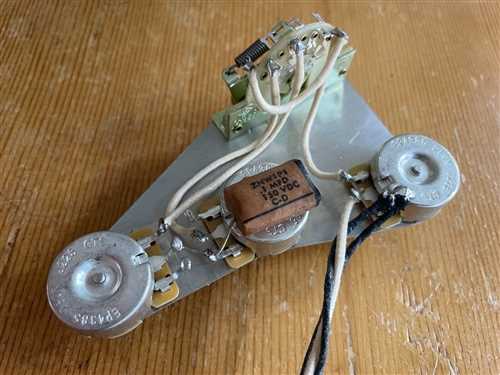
To achieve the best possible tone, start by properly configuring the pickups. Each pickup should be wired directly to the appropriate switch, and connections to the volume and tone controls must be made cleanly. Pay close attention to the bridge, middle, and neck pickups–these pickups need to be routed to the switch in a way that ensures both clarity and versatility. If the wiring isn’t clean, it can introduce unwanted hum or muddy the sound, even if the components are high quality.
Make sure the switch is properly wired to select between each pickup’s different tones. Each setting should correspond to the correct pickup or combination of pickups. For instance, the bridge pickup often provides a sharp, cutting tone, while the neck position offers a fuller, rounder sound. Connecting the pickup leads to the switch in the correct order can impact your tone control, so check your work before finalizing the setup.
How to Read a Fender Stratocaster Wiring Diagram for Beginners
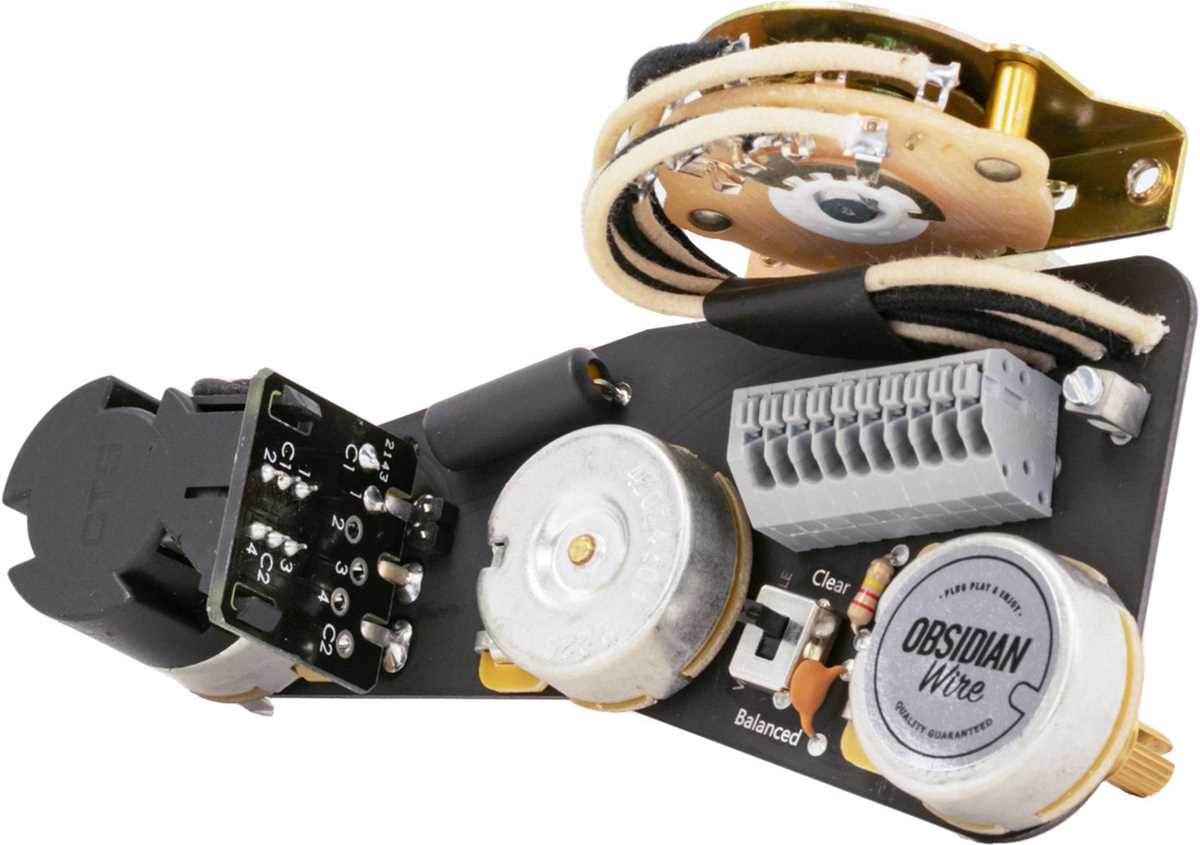
Understanding the layout starts with identifying the main components: the pickups, switches, and controls. Begin by locating the input jack, where the signal exits the guitar and goes to the amplifier. From there, follow the leads that connect each pickup to the switch. The switch allows you to toggle between pickups, determining which one is active at any given time. Trace the wire connections carefully to see how each part is linked together.
The next step is to examine the connections between the pickups and the tone and volume pots. The tone pots control the high-end frequencies of the sound, while the volume pot adjusts the overall output level. These controls are typically wired in series with the pickups, meaning that they affect the signal flow before it reaches the output jack. Understanding this relationship is key to modifying your guitar’s sound.
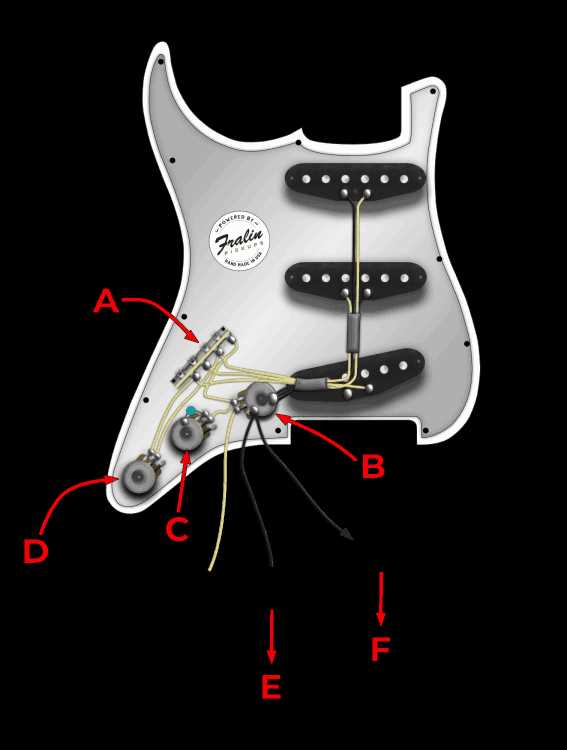
Once you’ve familiarized yourself with the basic layout, focus on the switch. It’s critical to understand how each position corresponds to different pickups or combinations. A common 5-way switch setup includes selections for the bridge pickup, the middle pickup, the neck pickup, and combinations of these. For example, position 2 may engage the bridge and middle pickups together, creating a more balanced tone.
Look for the capacitors in the schematic. These small components control the frequency response, specifically adjusting the treble when you turn the tone knobs. They are often connected to the tone pots, and their values will influence how much treble is cut or boosted. A typical capacitor value for a guitar like this is 0.022µF, but this can vary depending on your preference for brightness or warmth.
Pay attention to grounding, which is often overlooked. In most guitar circuits, ground wires are connected to the metal parts of the control cavity and often to the bridge or tremolo system. These grounds prevent hum and ensure that the guitar’s electrical components function correctly. Without a proper grounding system, you may experience unwanted noise or interference in your signal.
As you study the diagram, identify the locations of each lead that connects the components. These will often be shown as lines connecting different parts of the circuit. Each line represents a wire carrying the electrical signal, so understanding how these paths are routed helps in troubleshooting and modifying the system later on.
Note the soldering points in the diagram. These are typically marked with dots or small circles at junctions where wires connect. Knowing where to solder is important for making accurate connections. Improper soldering can lead to weak connections or shorts, which can affect the performance of your guitar. Take time to familiarize yourself with the locations of these points to avoid mistakes during assembly.
Lastly, always double-check the configuration against a known working system. This comparison ensures that all components are correctly connected. If you’re unsure, consider referring to a video or tutorial that shows the wiring process step-by-step. By following these instructions and reviewing the diagram carefully, you’ll be able to read and understand your guitar’s electrical setup with confidence.