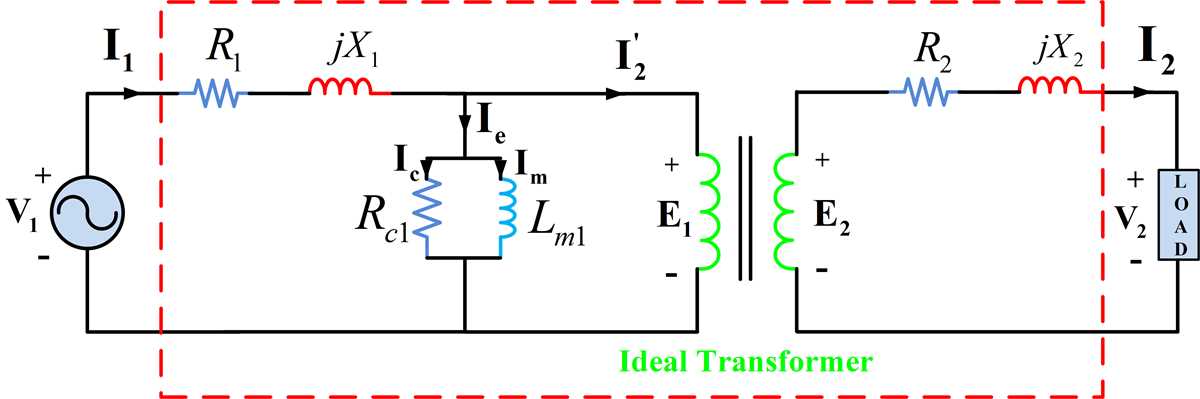
Measure the primary and secondary resistances using a precision ohmmeter to determine losses in the magnetic core and conductor paths. Maintaining readings within ±2% of nominal values ensures reliable performance predictions.
Account for leakage reactance by applying a low-voltage AC test. Record the voltage drop under no-load and full-load conditions to calculate impedance effects that impact efficiency and voltage regulation.
Use a controlled load to simulate operating conditions. Track the current drawn on the secondary and compare it to the primary to evaluate turns ratio accuracy and confirm the functional balance between windings.
Document core magnetization characteristics with a volt-ampere meter. Note the no-load current and phase angle to identify magnetic saturation and hysteresis effects that influence overall behavior.
Perform short-circuit measurements on the secondary winding while monitoring primary input. Calculate equivalent series resistance and reactance to predict voltage drops under varying load conditions.
Cross-verify with theoretical calculations using standard formulas for inductance, resistance, and impedance. Matching measured and calculated values validates the model for system design and troubleshooting purposes.
Equivalent Circuit Analysis of a Transformer
Measure the primary and secondary resistances precisely to identify internal losses. Use a low-resistance ohmmeter and note deviations exceeding 3% from rated values, as these can indicate conductor deterioration or poor connections affecting load handling and voltage drop.
Assess impedance impact under load by applying a controlled AC voltage to the primary and recording secondary voltage and current. Calculate the ratio of voltage drop to current flow to determine the combined effect of reactance and resistance, providing insight into efficiency and regulation characteristics under operating conditions.
Understanding Primary and Secondary Impedance Components
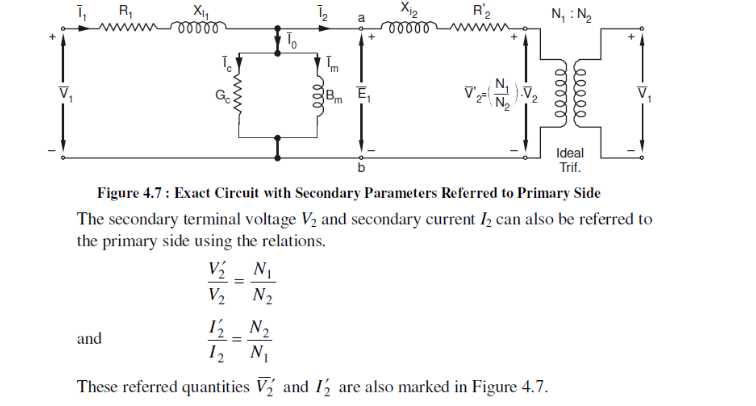
Measure the resistance of the main and secondary windings with a precise ohmmeter. Compare readings with rated values; deviations above 2–3% may indicate overheating, aging insulation, or loose connections that affect performance under load.
Calculate the reactance of each coil by applying a low-frequency AC source and measuring the voltage and current. Use these values to determine inductive effects that contribute to voltage drop and phase shift in operational conditions.
Combine resistance and reactance values to obtain the total impedance for both primary and secondary sections. This calculation helps predict current flow under different load conditions and informs adjustments needed for maintaining voltage regulation.
- Primary impedance influences magnetizing current and affects how quickly the device responds to load changes.
- Secondary impedance determines voltage drop under full load and impacts overall efficiency and thermal performance.
Perform a short-circuit test on the secondary side while monitoring primary input. Record voltage, current, and power to derive combined impedance values, separating resistive and reactive contributions for more accurate performance analysis.
Document all measurements and compare with manufacturer specifications to detect early signs of degradation. Keeping a log enables trend analysis, ensuring adjustments or maintenance can be scheduled before failures occur.