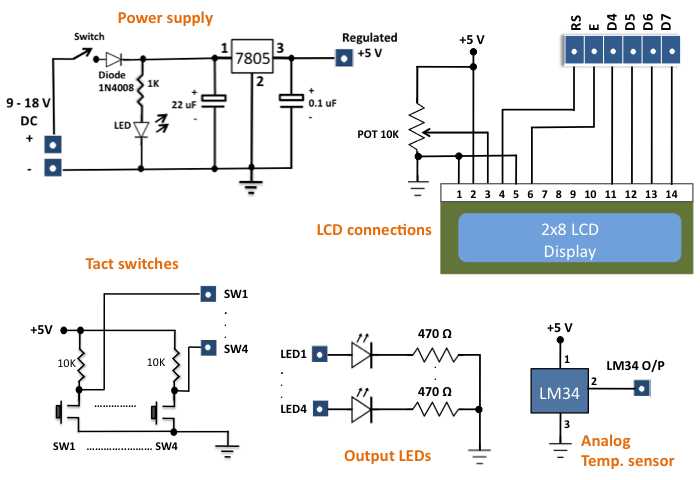
Connect components using precise lines and standardized symbols to maintain clarity and avoid misinterpretation. Label all nodes with unique identifiers to simplify troubleshooting and future modifications.
Use layered structures to separate power, signal, and ground paths. Color-coding traces helps visualize current flow and distinguishes different voltage levels quickly during inspections.
Include reference values such as resistances, capacitances, and voltage ratings next to each element. Document pin configurations for integrated elements to ensure connections align with physical hardware.
Check continuity by simulating paths before final export. Exporting in multiple formats allows integration with other software or sharing with collaborators without losing layout fidelity.
Maintain a revision log for all adjustments. Track changes on each version to compare updates, identify errors, and preserve functional configurations throughout the project lifecycle.
Electronic Layout Guide for Accurate Connections
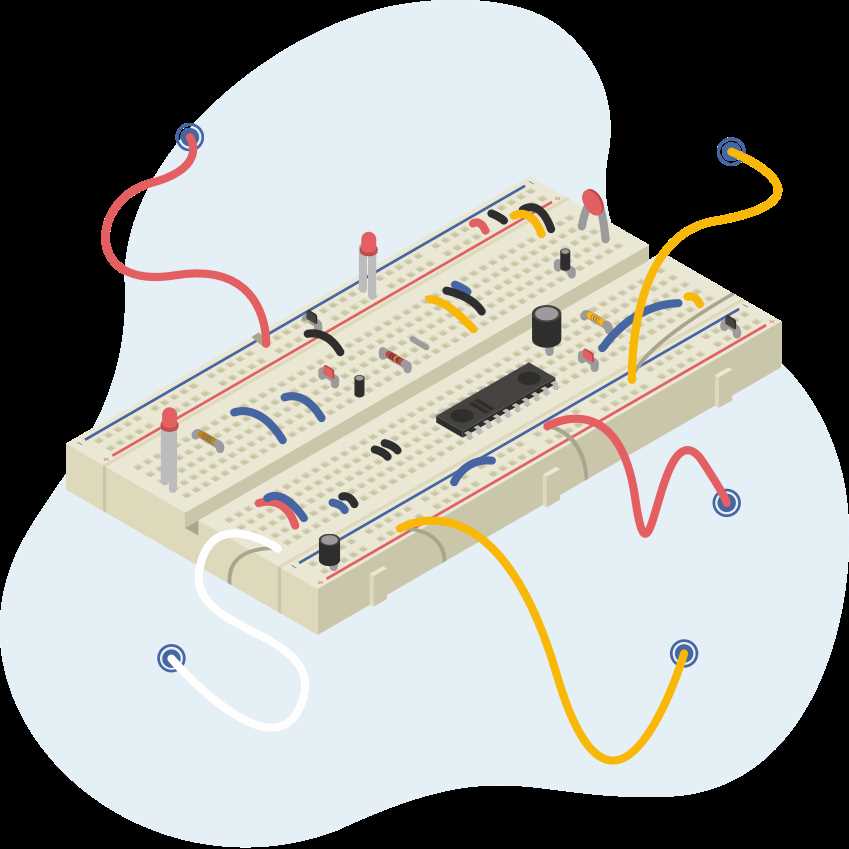
Ensure each component is precisely placed according to functional groups to avoid signal interference. Label all pins clearly and maintain consistent spacing to prevent overlapping lines during design adjustments.
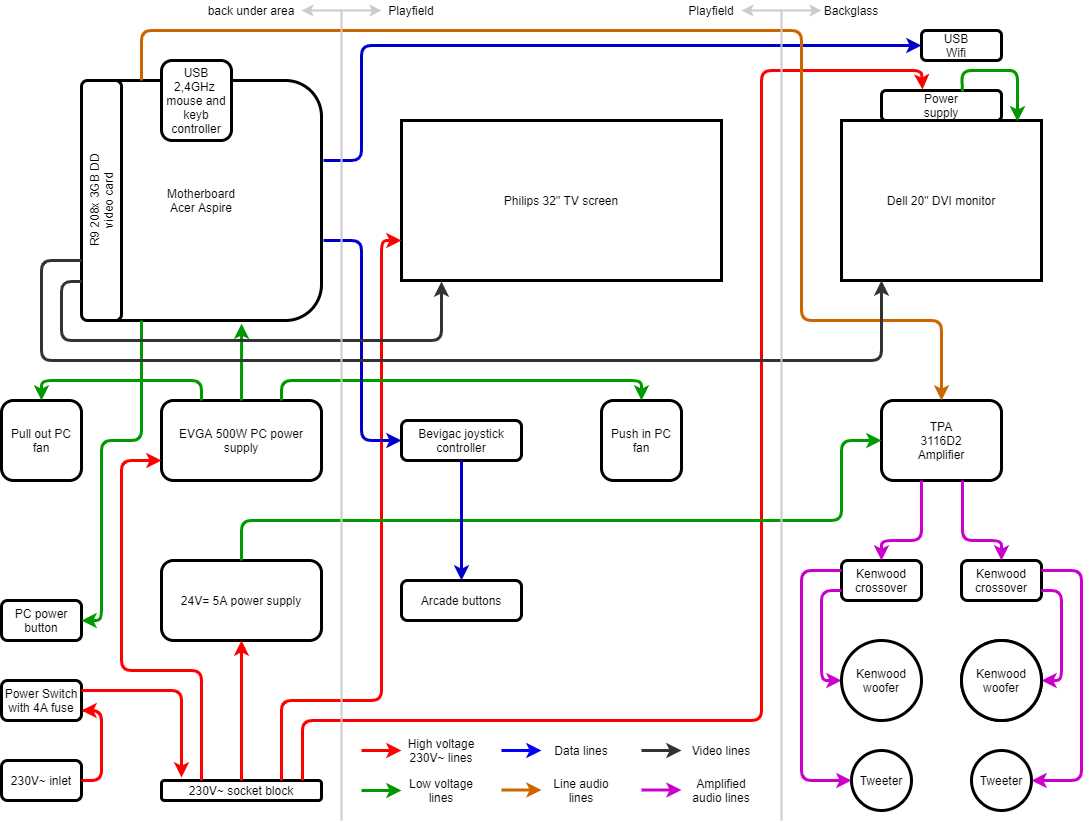
Use a layered approach to separate high-voltage, low-voltage, and signal traces. Color-code paths for visual distinction:
- Red: power lines
- Blue: ground connections
- Green: signal paths
Simulate connections before finalizing the layout. Verify all nodes with integrated testing features, confirm continuity, and document component values to ensure accuracy during assembly and future troubleshooting.
Setting Up Components and Symbol Libraries
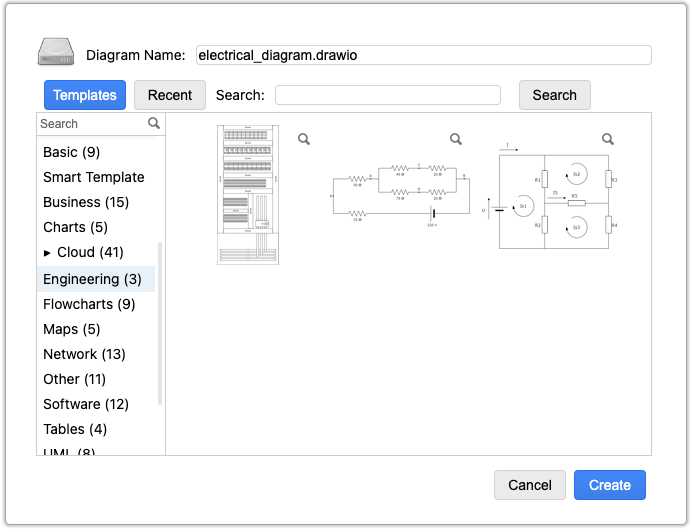
Start by importing the relevant shapes for resistors, capacitors, and transistors directly into the workspace. Organize these symbols in separate panels to speed up selection during layout creation.
Use custom libraries to store frequently used elements. Group components according to function, such as power regulation, signal amplification, or filtering, so they can be reused without manual reconstruction.
Optimizing Symbol Placement
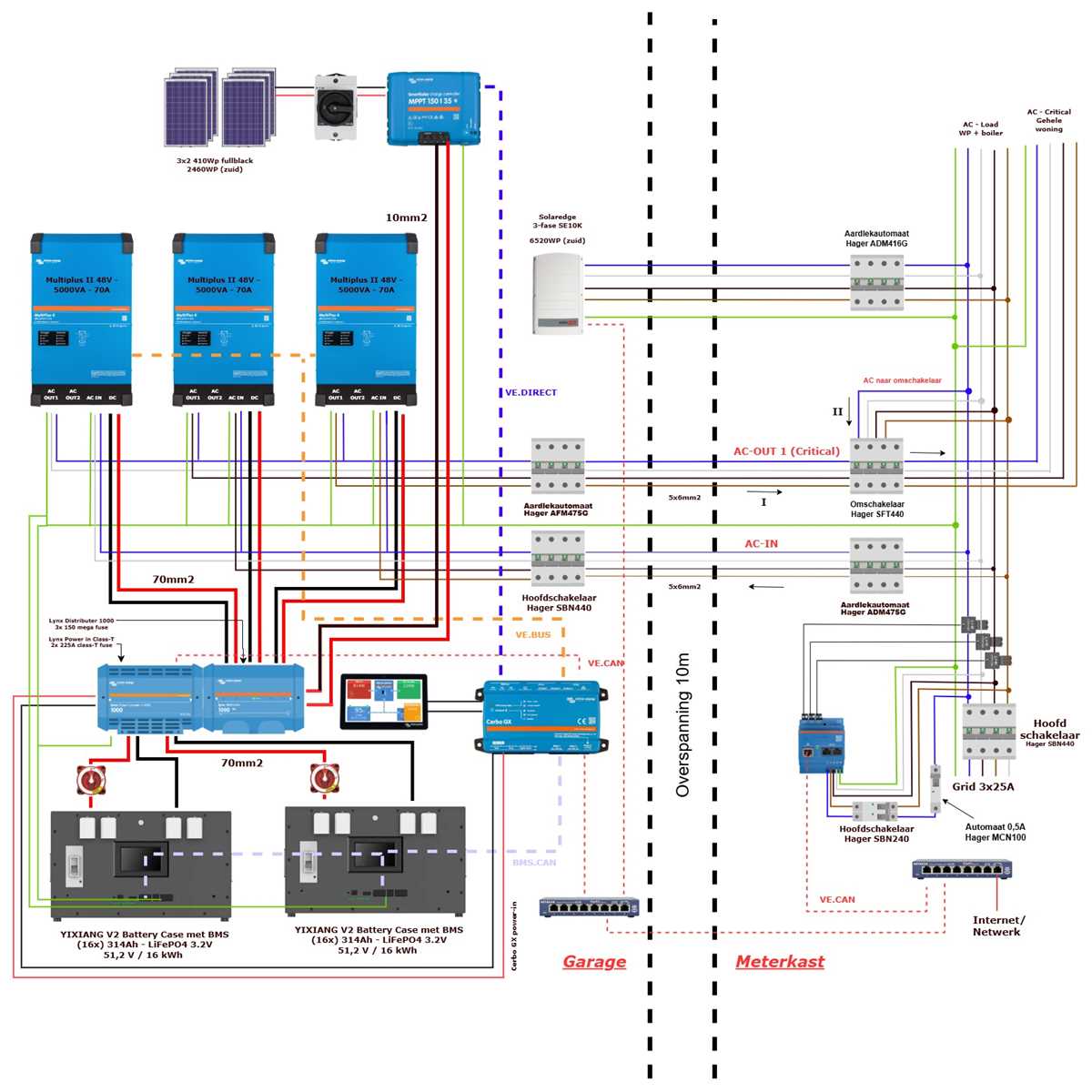
Align symbols using the grid and snapping features to maintain straight and uniform connections. Resize elements only proportionally to prevent misrepresentation of pin locations or electrical flow directions.
Maintaining Library Consistency
Regularly update symbol libraries with verified components to avoid errors in the design. Document any modifications and include reference notes to preserve clarity for future adjustments or team collaboration.