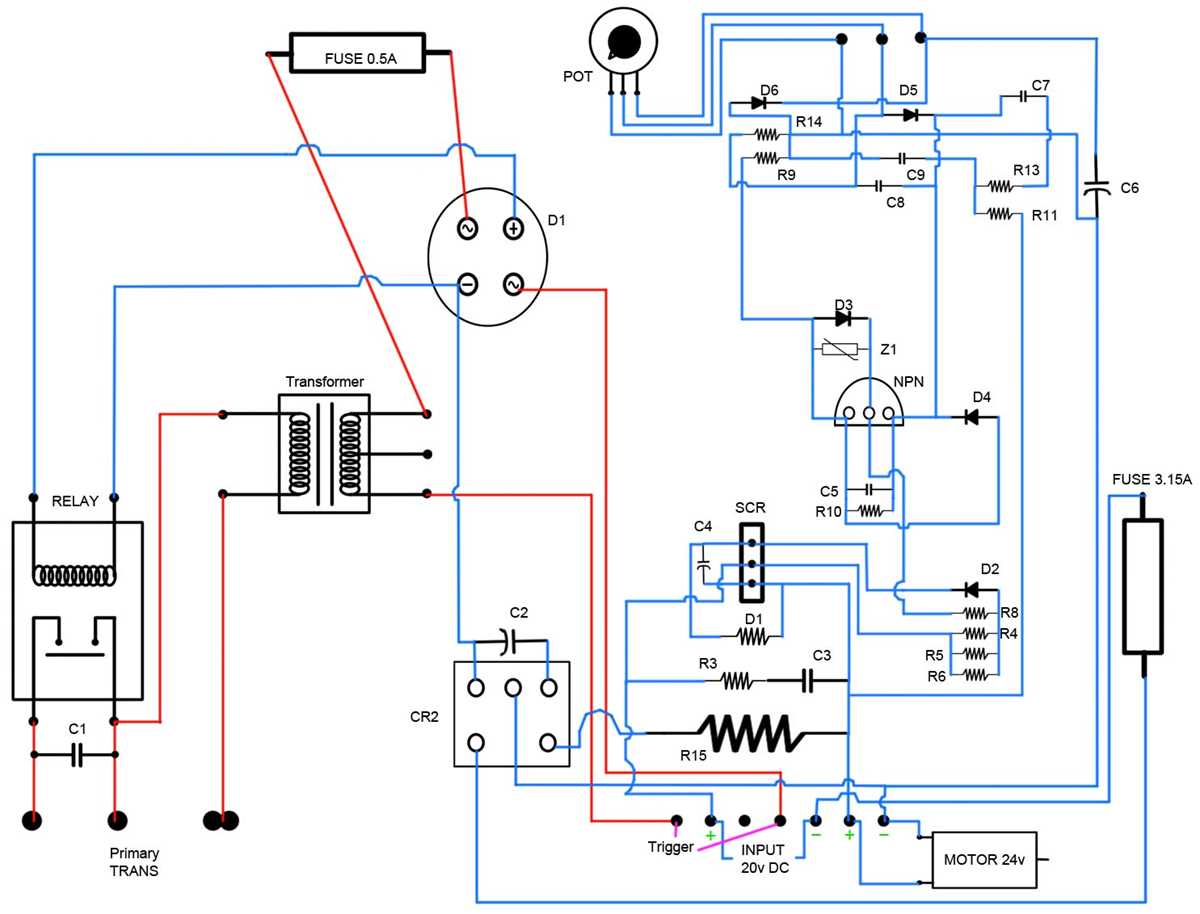
Use a low-voltage, high-current transformer as the core of the wiring layout, preferably a rewound microwave oven transformer delivering about 2–3 V at 500–800 A. This configuration allows short pulses of intense current that fuse thin nickel strips or small steel tabs without overheating surrounding metal. The secondary winding should consist of thick copper cable (35–50 mm²) with only two or three turns to keep output voltage extremely low while maximizing current flow.
The power section typically includes a primary switching stage with a triac or solid-state relay rated for at least 25–40 A. A foot pedal or push-button triggers the switching element through a small control board powered by 12 V DC. Pulse duration between 20 ms and 200 ms works well for battery tabs 0.1–0.2 mm thick. Short pulses reduce electrode sticking and limit heat spread across the workpiece.
For stable operation, add a microcontroller timer or a 555-based pulse generator that regulates the activation window. The trigger line drives an optocoupler connected to the triac gate, isolating the low-voltage control side from the 230 V mains input. A typical wiring scheme also integrates a snubber network (100 Ω resistor + 100 nF capacitor) across the switching element to suppress voltage spikes produced by transformer inductance.
Electrode leads must remain extremely short; copper bars or flexible welding cable under 30 cm reduce resistive losses. Copper electrodes with a tip diameter around 3–5 mm concentrate current at the contact point. Mount them on spring-loaded arms so pressure remains consistent during the pulse, usually around 2–4 kg of force, which improves metal fusion and reduces surface burning.
Thermal protection adds reliability. Install a bimetal thermostat (70–90 °C) on the transformer core and include a 10–15 A fuse on the mains side. With these components arranged in the wiring layout–transformer, switching element, timer module, and protected mains input–the assembly produces controlled bursts of high current suitable for battery pack fabrication and thin metal joining.
Homemade Resistance Metal Joining Layout

Select a step-down power source capable of delivering 800–2000 A at 1–3 V on the secondary side; a modified microwave oven transformer is frequently used because its iron core tolerates high current pulses. Remove the original high-voltage winding and replace it with 2–3 turns of thick copper cable (25–50 mm²). This produces the low voltage, high current output needed for rapid metal fusion at the contact point.
Primary Power Path Arrangement
The mains side requires controlled switching and thermal protection. A basic configuration includes:
- AC input: 220–240 V through a 10–16 A fuse
- Power relay or triac rated above 25 A
- Momentary foot switch or trigger button
- Thermal cutoff mounted on the transformer core (90–120 °C)
This arrangement prevents overheating and allows short energy pulses lasting roughly 50–300 milliseconds.
The copper output conductors must remain extremely short to reduce resistance losses. Use flexible welding cable or braided copper strap. Attach them directly to two pointed electrodes made from copper or copper-chromium alloy. Keep the electrode gap adjustable between 2 and 10 mm so sheet thickness from 0.1 to 1 mm can be handled.
Pulse Timing Control
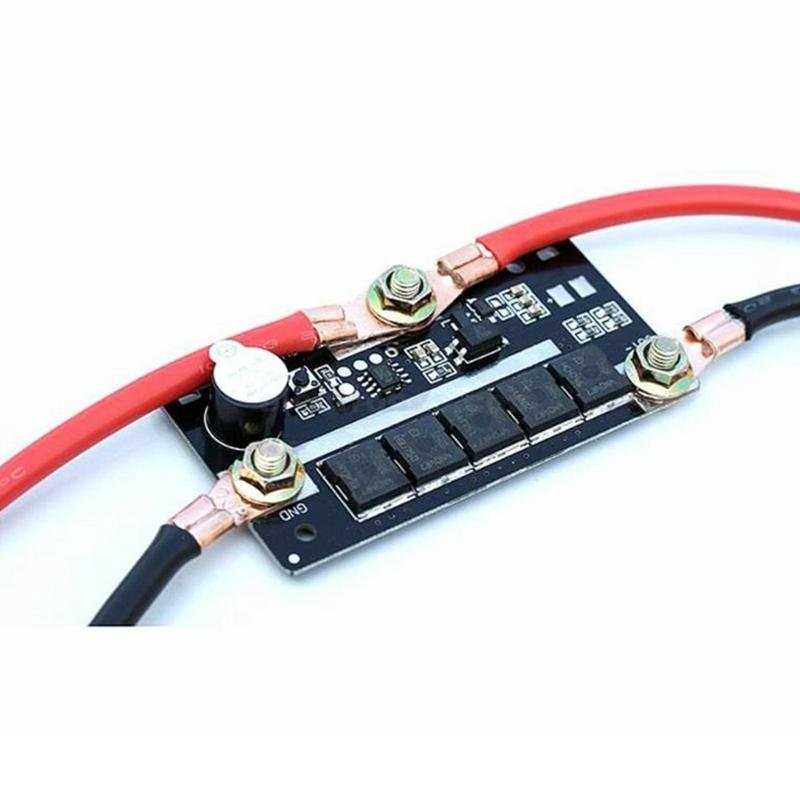
A small timing module improves repeatability. A simple approach uses a 555-based pulse generator driving a solid-state relay. Typical component values:
- Timer IC: NE555
- Potentiometer: 100 kΩ for pulse adjustment
- Capacitor: 10–220 µF determining pulse length
- Solid-state relay: 25–40 A AC rating
Pulse duration range: about 0.05–0.5 seconds.
Electrode pressure strongly affects joint quality. A spring-loaded arm or lever press provides stable force around 3–6 kg. Insulating spacers between the copper arms and the frame prevent current leakage. Fiberglass or phenolic plates work well because they tolerate heat and mechanical stress.
Cooling extends transformer life. Install a 120 mm fan directing airflow across the core and secondary turns. Continuous operation without airflow often pushes the winding temperature above 100 °C after roughly 20–30 pulses.
Typical performance parameters achieved with this configuration:
- Output current: 1000–1500 A
- Secondary voltage: 1.5–2.5 V
- Steel sheet thickness: up to 0.8 mm per layer
- Pulse duration: 60–200 ms depending on material
These values allow consistent metal joining for battery tabs, thin steel strips, and nickel connectors while maintaining manageable transformer heating.