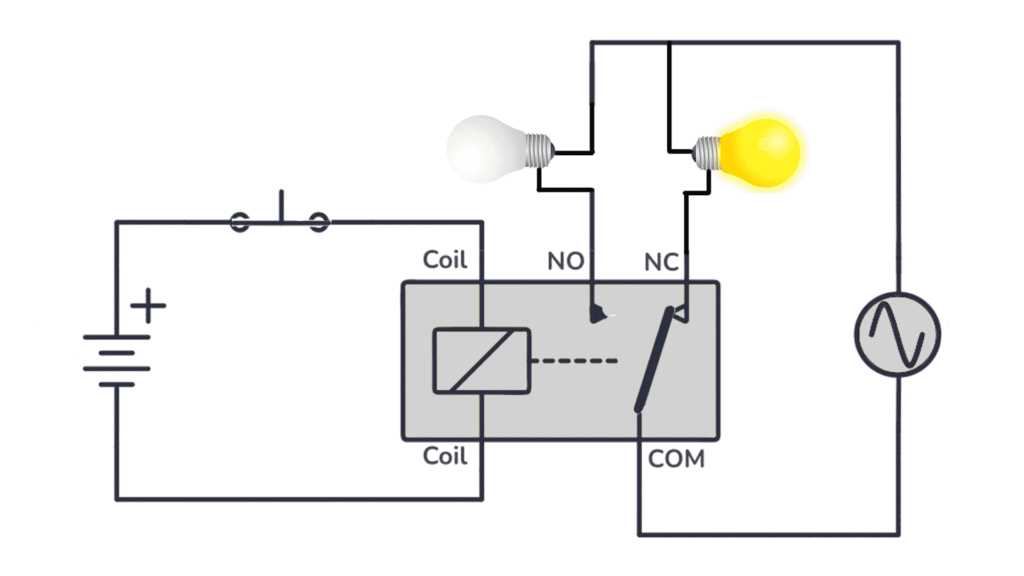
Use a low-resistance coil rated for the applied voltage to prevent overheating and reduce energy loss. Ensure the contacts are rated above the maximum load current to avoid premature wear and arcing. Consider using a diode across the coil to suppress voltage spikes generated during deactivation, protecting connected components.
Arrange the control module to minimize the length of conductive paths. Shorter paths lower voltage drops and improve response time. Separate high-current paths from sensitive sensor lines to reduce electromagnetic interference and maintain signal integrity.
Label each terminal with voltage and polarity information to simplify troubleshooting and prevent misconnection. Test the setup with a controlled load before full deployment to verify switching speed and contact reliability under realistic conditions.
For multi-stage configurations, use sequential activation logic to reduce simultaneous current draw. Integrate a small indicator LED on critical lines to monitor activation status without interrupting operation, allowing quick visual diagnostics.
Step-by-Step Instructions for Connecting Switching Modules Safely
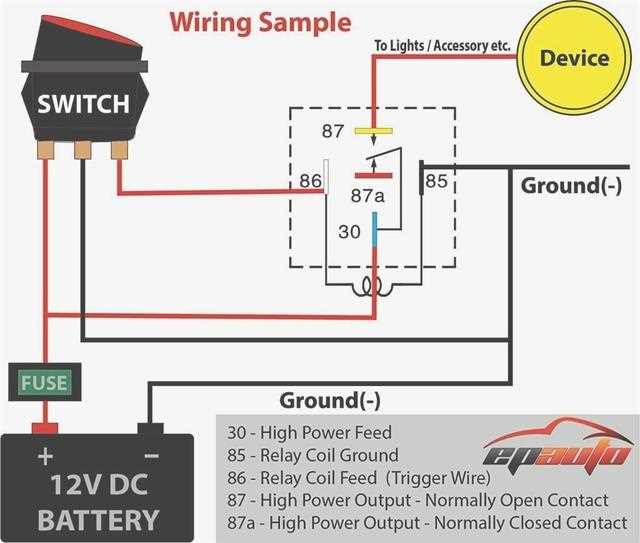
Disconnect all power sources before handling terminals. Verify voltage levels with a multimeter at every contact point to prevent accidental shorting. Use insulated tools and gloves rated for the system’s voltage to avoid electric shocks.
Identify the coil and load pathways clearly. Connect the control lines to the low-voltage side first, ensuring polarity matches the specifications. Secure each wire with proper ferrules or screw terminals to maintain stable connections under vibration or heat.
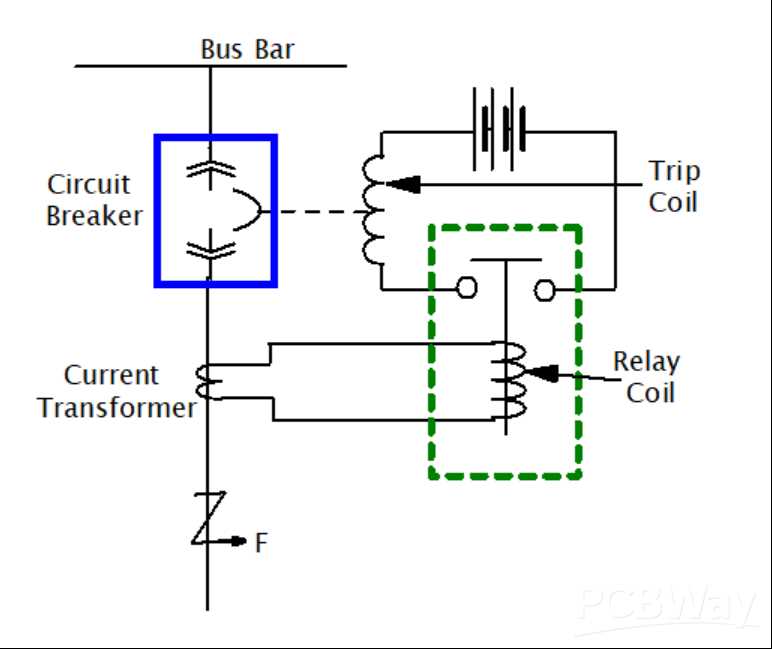
Gradually apply power and observe activation sequences. Test each stage with a minimal load to confirm proper switching behavior. Use inline fuses on high-current paths to protect components, and keep a small gap between energized contacts and surrounding metal to prevent accidental bridging or arcing.
Identifying Switching Module Terminals and Pin Configurations
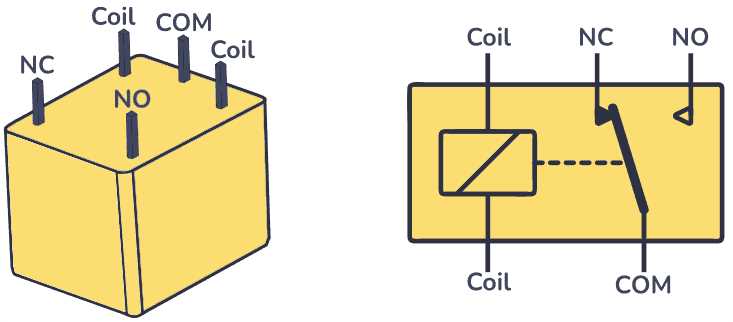
Use the datasheet to confirm terminal functions before making connections. Mark coil pins and contact pins clearly on the module to prevent miswiring, especially when dealing with multiple channels.
Most standard modules include five or six pins arranged as follows:
- Two coil pins for control voltage.
- Common (COM) pin for load connection.
- Normally closed (NC) pin maintaining default contact.
- Normally open (NO) pin activating under coil energization.
- Optional auxiliary pin for feedback or LED indicator.
Measure resistance across the coil pins with a multimeter. A low reading indicates proper continuity, while infinite resistance suggests a broken winding or internal fault.
Check continuity between COM and NC pins with the module unpowered. It should show near-zero ohms, confirming the default closed path. NO pin should remain open in this state.
Label each pin with durable, heat-resistant markers. Arrange wires to avoid crossing or bending sharply at terminals, which reduces the risk of intermittent connections or mechanical strain.
For modules with multiple channels, verify individual pin layouts using a continuity test before integrating into the main assembly. Document each channel with a small schematic or photo for future maintenance.
Consider using color-coded wires: red for coil activation, blue for NC paths, green for NO connections, and black for common returns. This simplifies troubleshooting and ensures consistent installation across different modules.