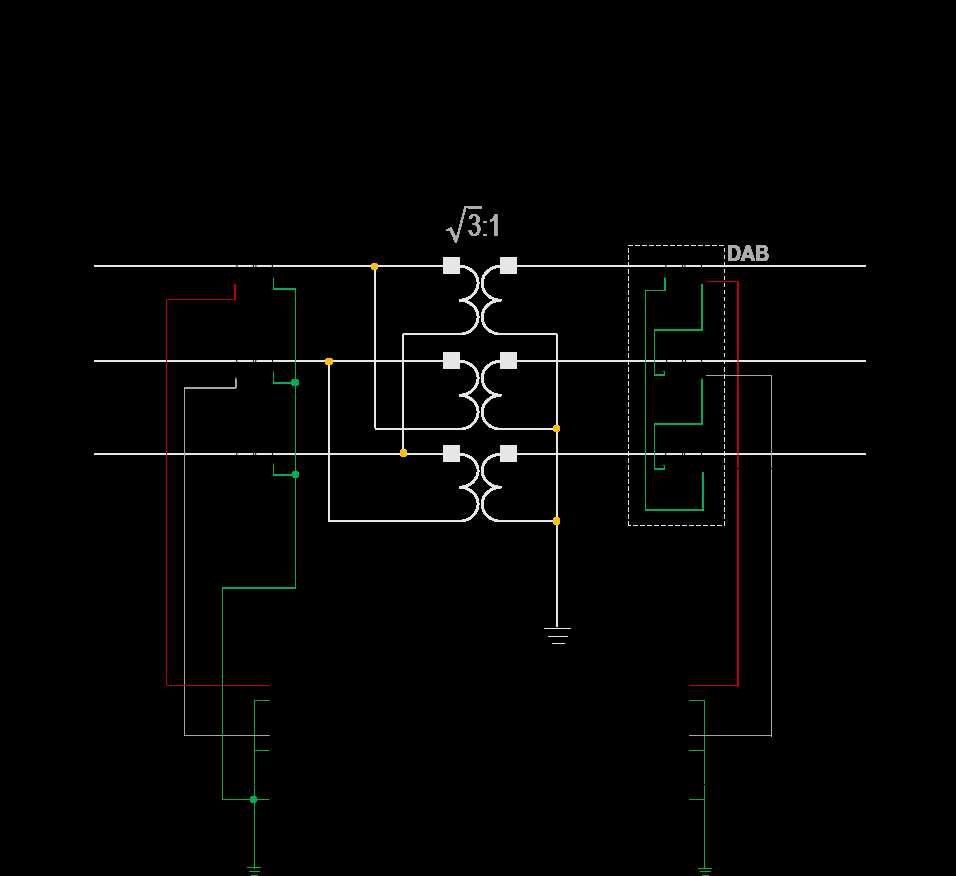
Use a clearly labeled connection scheme for a current transformer (CT) that matches the rated primary current, secondary output (commonly 1 A or 5 A), and the input range of the measuring device. Incorrect terminal pairing or reversed polarity can distort readings by more than 100%, especially in protection relays and energy meters. A standard CT has terminals marked P1, P2 on the primary side and S1, S2 on the secondary side; maintaining the correct orientation between source and load ensures phase consistency.
When linking a CT to metering equipment, keep the secondary circuit closed at all times. An open secondary winding may generate dangerously high voltage that can damage insulation and pose a shock hazard. Install a shorting block or terminal bridge during maintenance. For most industrial measurement circuits, twisted pair conductors with cross-section of 1.5–2.5 mm² reduce electromagnetic interference and voltage drop across longer runs.
Polarity alignment affects directional power measurement and protective relay response. Connect S1 toward the meter’s current input and route S2 toward the return terminal to maintain correct phase reference with the voltage sensing lines. In three-phase systems, CT units are usually mounted on phases L1, L2, and L3 with identical orientation so that the monitoring device can correctly calculate load balance, power factor, and demand.
Keep conductor length between the CT secondary and the measuring instrument as short as possible; resistance above 0.5–1 Ω may introduce measurable error depending on the burden rating of the transformer. If the specified burden is 5 VA at 5 A, the total loop resistance should remain within the limits defined by the manufacturer’s data sheet. Proper terminal tightening torque, typically 0.5–0.8 Nm for small metering blocks, prevents intermittent readings caused by loose contacts.
Ct Wiring Diagram
Connect the secondary terminals of the current transformer to the measuring device using short, clearly labeled conductors and maintain correct polarity: S1 toward the source side and S2 toward the load return. Reverse polarity leads to negative readings or incorrect power calculations. Keep the loop length below 3–5 meters when possible to reduce impedance. For meters rated at 5 A input, select a transformer ratio such as 200:5 or 400:5 according to the expected line current. Never leave the secondary side open while the primary conductor carries current; this can generate several hundred volts across the terminals and damage insulation.
Use shielded twisted pairs for long control cabinet runs. The shielding braid should be grounded on one side only, typically near the measuring relay. Terminal blocks must support at least 600 V insulation rating and include shorting links for maintenance. During meter replacement, technicians close the shorting link across S1 and S2 before disconnecting the instrument leads. This prevents dangerous voltage buildup inside the transformer coil.
Connection Layout for Metering Panels
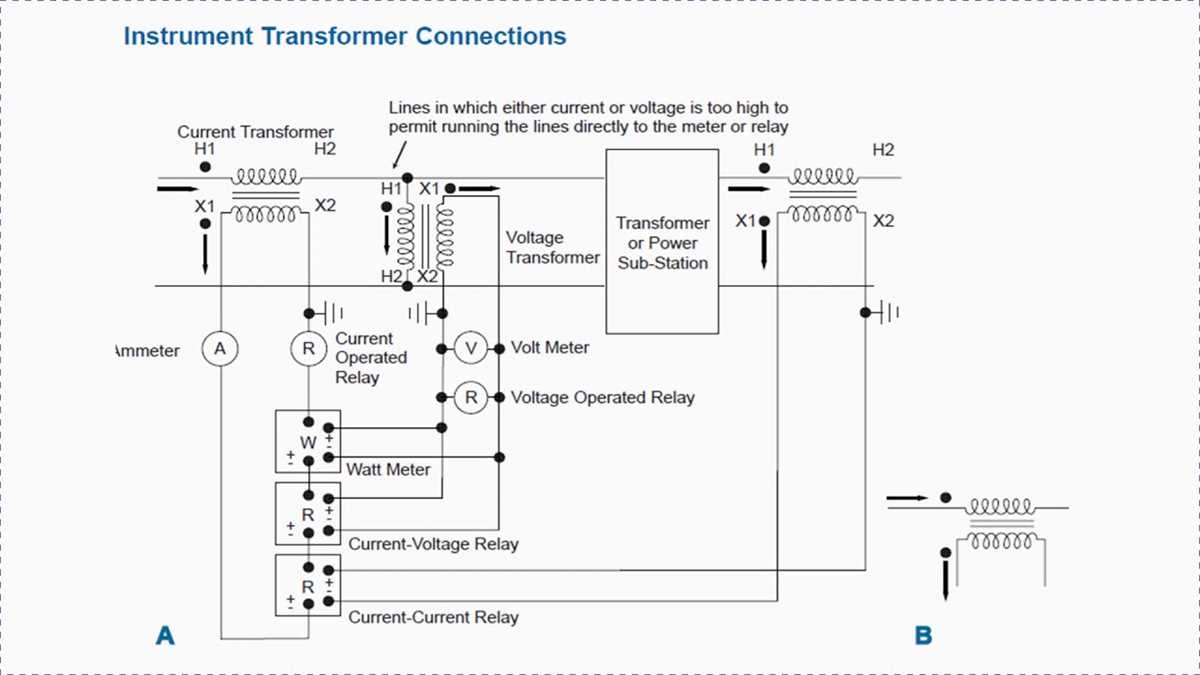
- Primary conductor passes once through the CT window or core opening.
- S1 terminal connects to the positive current input of the meter.
- S2 terminal connects to the negative current input.
- Install a shorting terminal block between the CT and the meter.
- Use 2.5 mm² copper conductors for distances up to 10 m.
- Label terminals with the transformer ratio (example: 600/5).
Typical Installation Sequence
- De-energize the panel and confirm zero current in the line.
- Mount the CT on the phase conductor with the P1 mark facing the supply side.
- Route secondary conductors through a dedicated cable channel separated from power cables by at least 50 mm.
- Terminate S1 and S2 on a shorting terminal block, then continue toward the meter input.
- Verify continuity and measure resistance of the loop; values below 1 Ω are typical for short cabinet runs.
- After energizing the system, compare meter current with clamp-meter readings; deviation above 2–3% indicates polarity or ratio mismatch.
How to Read a Current Transformer (CT) Wiring Diagram for Single-Phase and Three-Phase Systems
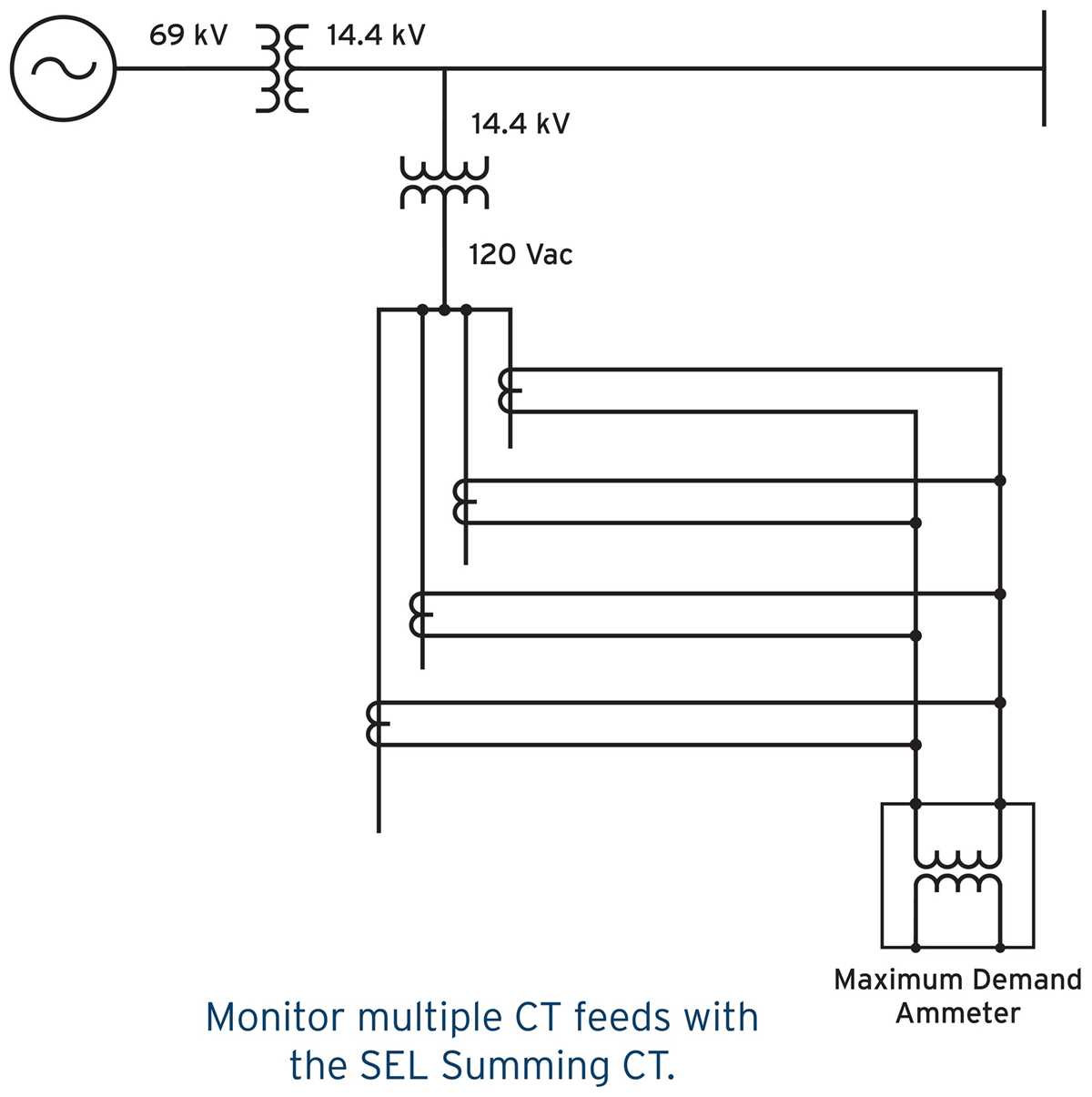
Check the CT ratio marking first (for example 200:5 or 600:1) and match the primary conductor path with the secondary terminals labeled S1 and S2. On most technical schematics the primary side is represented by a single line passing through the CT core, while the secondary side is shown as a closed loop connected to meters, relays, or protection modules. Maintain polarity: P1 on the primary corresponds to S1 on the secondary. If the polarity marks are reversed in the circuit plan, energy meters may display negative power flow or relay logic may trip incorrectly.
For single-phase installations locate the CT symbol around the phase conductor feeding the load. The secondary pair usually terminates at an ammeter or measurement module through terminal blocks. Follow the path from S1 through the instrument coil and back to S2; this closed loop must never be open during operation. Typical measurement circuits use 5 A secondary current, so conductor cross-section between CT and meter is often 2.5 mm² copper when the distance exceeds 20–30 m to limit burden voltage drop below roughly 1–2 V.
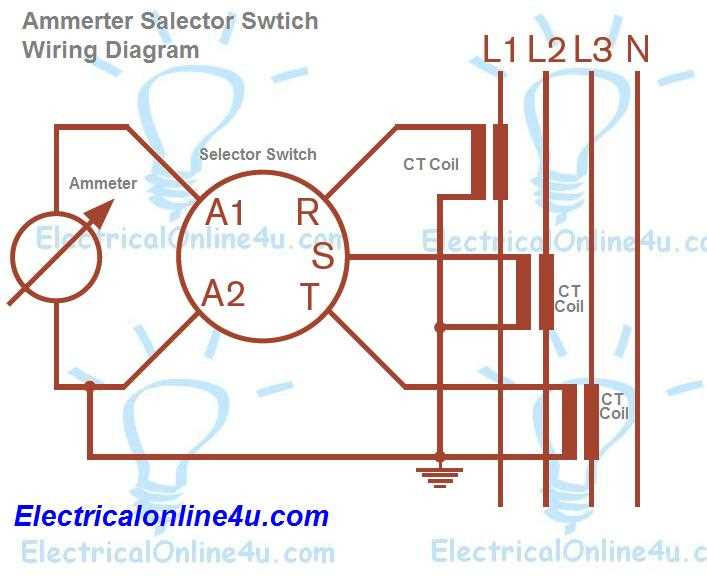
Three-phase measurement plans show three identical CT units installed on phases L1, L2, and L3. Each unit has its own S1–S2 pair routed to a three-channel meter or protection relay. Observe phase alignment: L1 connects to input I1, L2 to I2, L3 to I3. In protection layouts the S2 terminals are frequently tied to a common ground point to stabilize reference potential and reduce noise. Some configurations also include shorting terminals inside the test block; these allow safe meter replacement without opening the CT secondary loop. Examine burden ratings printed near the transformer symbol (for example 10 VA or 15 VA) and verify that the connected instruments plus cable resistance remain below this limit, otherwise measurement accuracy drops and overheating of the secondary winding may occur.