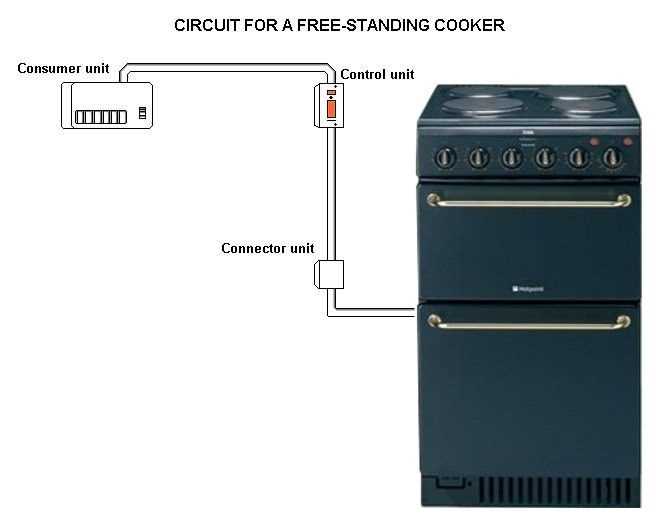
To ensure safe operation of high-power kitchen appliances, it’s critical to follow correct installation steps. The first step is ensuring that the appliance is connected to a dedicated power supply that can handle its energy requirements. Typically, these devices need a separate, higher-amperage connection to avoid overloading existing circuits.
Start by selecting the proper breaker for the job. A 32-amp breaker is common for standard household appliances, but more powerful models may require a 40-amp or 50-amp breaker. Always use a double-pole breaker to handle the dual voltage required by such appliances. The breaker will protect the circuit from overloading or short-circuiting, which can lead to fires.
Next, ensure the wiring is appropriately sized for the amperage. Use at least 10-gauge wire for a 30-amp circuit, with heavier wires (8-gauge or 6-gauge) recommended for higher amperage. The wire should be rated for the environment, such as indoor or outdoor installation, and the insulation should meet safety standards to prevent short circuits and overheating.
Once the components are selected and the power is turned off, proceed with connecting the outlet and breaker. The process includes connecting the hot and neutral wires to their respective terminals on the outlet and the breaker. A proper grounding system is a must to prevent shocks and ensure safe operation of the appliance.
Understanding a High-Power Appliance Power Setup
When installing an outlet for a high-power kitchen appliance, use the correct gauge wire to handle the appliance’s required load. For appliances that need 30-amps, a 10-gauge copper wire is recommended, with 8-gauge wire required for appliances drawing 40 amps or more. Be sure to check the manufacturer’s recommendations for wire size and breaker specifications.
Install a double-pole breaker in the electrical panel to handle the higher voltage required for heavy-duty devices. A 40-amp breaker is suitable for many kitchen appliances, but always verify the appliance’s specifications. The breaker must match the total power requirement to ensure safety and prevent electrical overloads.
Ensure the outlet is properly rated for the amperage. For most household applications, a 30-amp outlet will suffice. However, certain cooking devices, such as ranges, may need a 50-amp outlet. Verify the outlet’s rating and match it with the appliance’s amperage to avoid fire risks and ensure proper operation.
Proper grounding is critical in preventing shocks and fires. The ground wire should be securely attached to the outlet and connected to the grounding bar in the electrical panel. Never skip this step, as grounding provides a safe path for stray electricity.
Once the wires are correctly connected to the outlet and breaker, it’s time to test the installation. Use a voltage tester to confirm that the outlet is properly energized and delivering the correct voltage. Ensure the breaker is properly reset and ready for use.
After confirming the system is properly set up, make sure the appliance is connected securely. Never force the plug into the outlet, as this can cause electrical damage or pose a risk to the device. Always use the appliance’s plug and ensure the connection is firm and secure.
Finally, consider labeling the breaker in the panel to indicate which appliance is connected to that specific breaker. This will make future maintenance or troubleshooting much easier and help identify the source of any issues with the appliance or power supply.
How to Install a Cooker Outlet with Proper Wiring
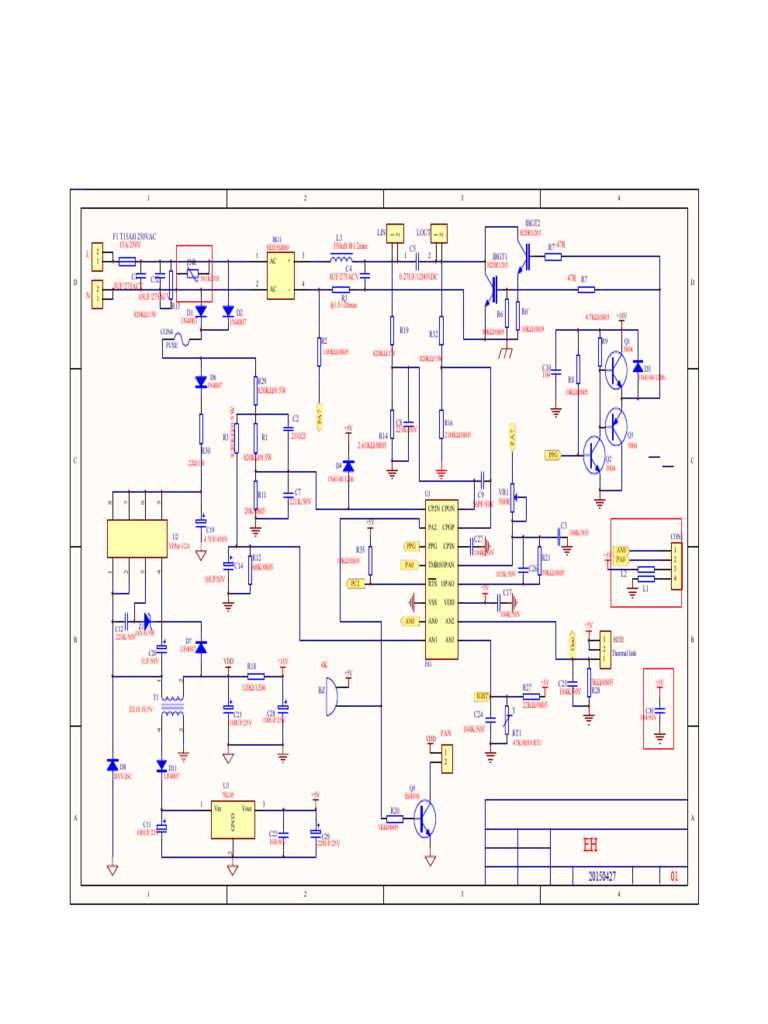
Start by selecting the correct breaker for the high-power outlet. Typically, a 40-amp double-pole breaker is required for these installations, but always check the appliance’s specifications for exact requirements. After ensuring the power is off at the main electrical panel, connect the black and red wires to the two terminals on the breaker. Use at least 10-gauge copper wire for a 30-amp load, or 8-gauge wire for heavier appliances. Securely attach the ground wire to the grounding bar in the panel, ensuring no loose connections that could cause electrical hazards.
Next, install the outlet. Use a heavy-duty 240V outlet rated for the appliance’s amperage. Attach the black and red wires to the brass terminals of the outlet, ensuring they are tightly connected. Connect the neutral (white) wire to the silver terminal and the ground wire to the green screw. Double-check that all connections are secure before finishing the installation. Afterward, turn the breaker back on and use a voltage tester to ensure the outlet is correctly energized and safe for use.