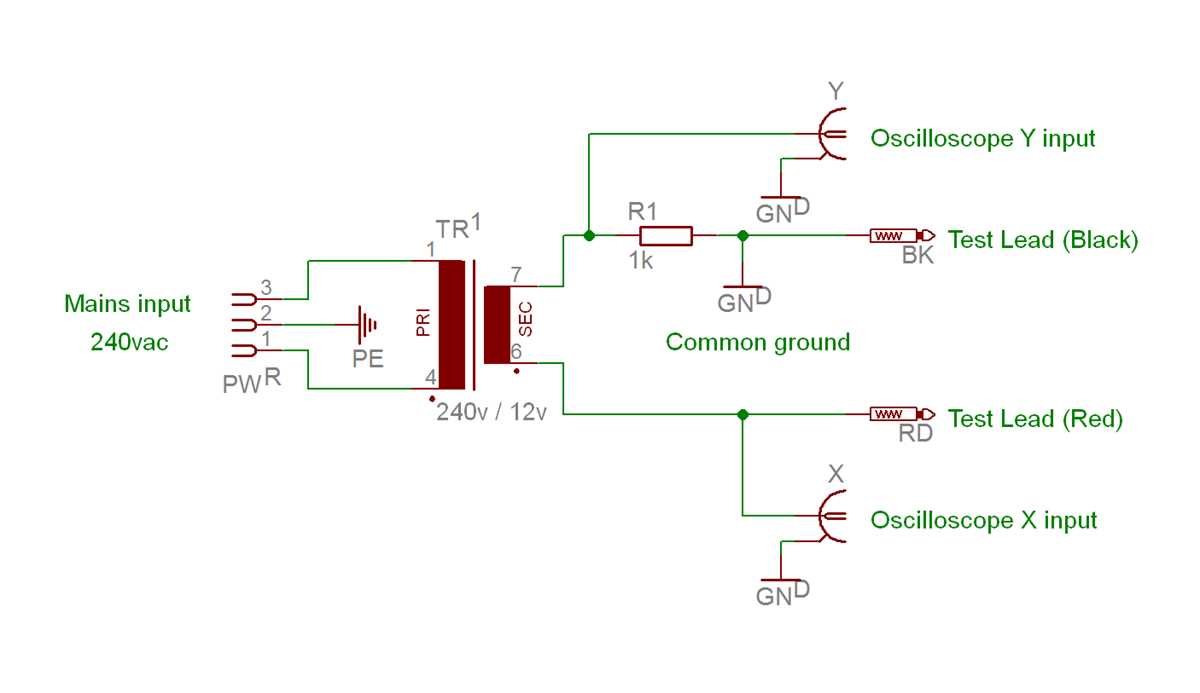
Connect the power supply carefully to avoid voltage mismatches that could damage the device. Use insulated wires and verify polarity before switching on the module.
Ensure all terminals and probes are firmly attached to prevent inaccurate readings. Loose connections can lead to fluctuating measurements and false component identification.
For testing resistors, capacitors, and diodes, adjust the device to the correct measurement mode. Verify calibration using known reference components to confirm accuracy before testing unknown parts.
Document each connection and labeling clearly. Keeping track of terminal assignments and probe colors simplifies troubleshooting and future adjustments for different electronic elements.
Connecting power and test leads for accurate measurements
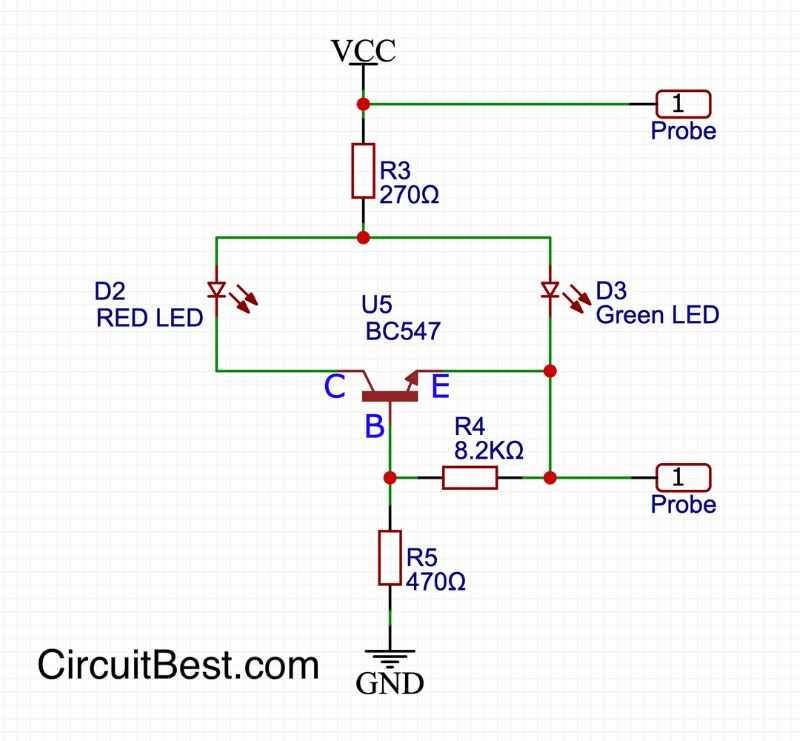
Attach the main supply carefully, confirming voltage compatibility with the measurement unit. Use color-coded insulated leads and ensure each probe is fully seated in its terminal to prevent signal loss and false readings.
Check continuity of each connection before applying power. Loose or oxidized contacts can introduce resistance errors, so clean terminals and secure clamps to maintain precision during resistor, capacitor, and diode testing.
Identifying resistors capacitors and semiconductors with the tester
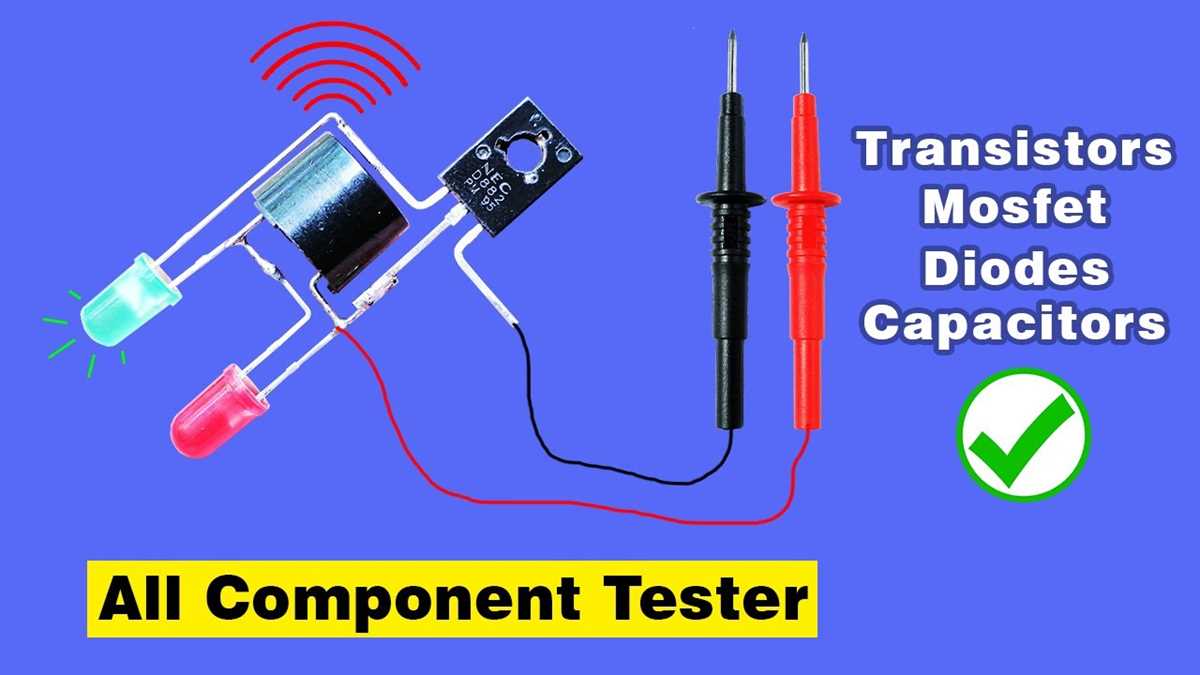
Place the leads across the element to obtain a reading. Resistors should display a steady resistance value matching the color code or label. Capacitors will show a rising or dropping reading as they charge and discharge, indicating capacitance within expected limits. Always confirm polarity for polarized types to avoid measurement errors.
Semiconductors such as diodes and transistors require careful lead placement.
- Diodes should conduct in one direction only, showing forward voltage drop.
- Transistors can be checked for junction behavior using the base-emitter and base-collector paths.
Use low test voltage to prevent damage and compare readings against manufacturer specifications for accurate identification.
Calibrating and troubleshooting the tester for reliable operation
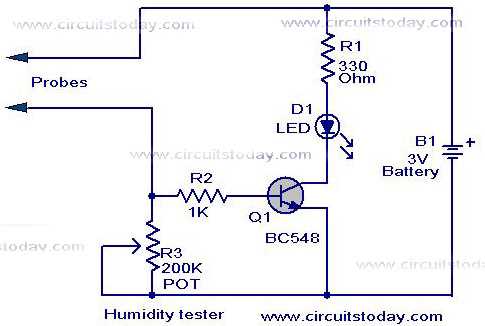
Begin by setting the reference standard using a precision resistor of known value. Adjust the calibration potentiometer until the reading matches the expected resistance within ±1%. Regular verification against certified components prevents drift over time.
For capacitive measurements, connect a capacitor with a labeled capacitance value and adjust the calibration until the meter stabilizes near the correct reading. Temperature variations can affect the accuracy, so perform calibration at room temperature whenever possible.
Check the leads and connectors for oxidation or loose contacts. Even minor contact resistance can skew measurements. Cleaning the connectors with isopropyl alcohol and ensuring tight connections improves consistency.
Testing semiconductor response
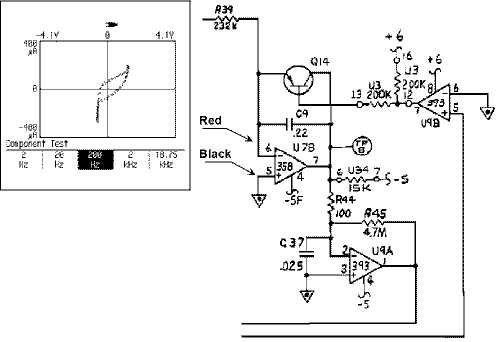
Diodes should display forward voltage drop in the correct range, typically 0.6–0.7V for silicon types. Transistors are checked by measuring junctions with the base lead. If readings fall outside manufacturer specifications, inspect solder joints and internal connections.
Documenting calibration results
Create a simple table to track deviations over time and adjustments made:
| Test Element | Expected Value | Measured Value | Adjustment |
|---|---|---|---|
| Precision Resistor 1kΩ | 1000Ω | 1002Ω | Adjusted pot |
| Capacitor 100nF | 100nF | 101nF | None |
| Silicon Diode | 0.7V forward | 0.69V | Checked leads |
If the meter shows erratic readings, inspect the power supply and replace weak batteries. Voltage fluctuations can cause inconsistent results, so always confirm stable power during operation.
Regular recalibration every 3–6 months and prompt troubleshooting of anomalies ensures reliable identification of resistors, capacitors, and semiconductors without measurement errors.