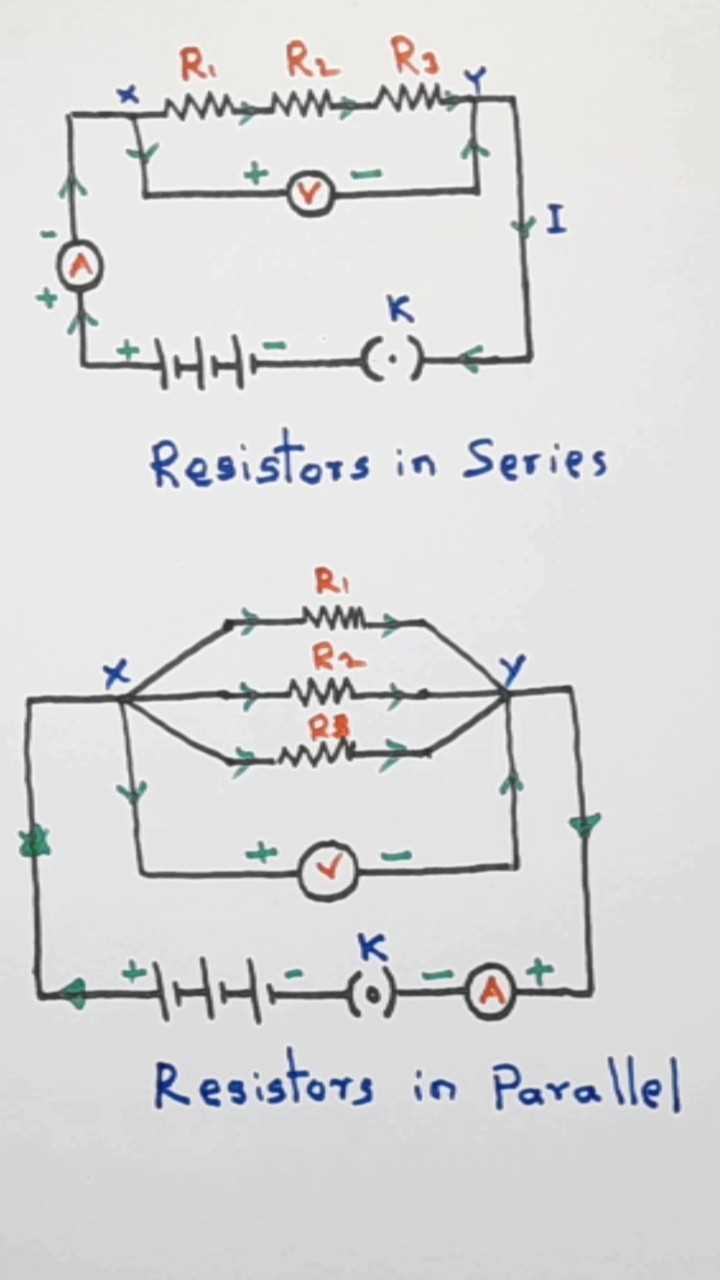
For a system where uninterrupted power is crucial, connect each component in separate paths. This method ensures that if one part fails, the rest continue functioning without interruption. It’s ideal for setups where reliability is a priority.
For simpler or lower-cost systems, link all parts in a single loop. Here, the current flows through each unit in sequence. However, keep in mind that if one section fails, the entire system will stop. This approach is best for basic applications where cost and simplicity are key considerations.
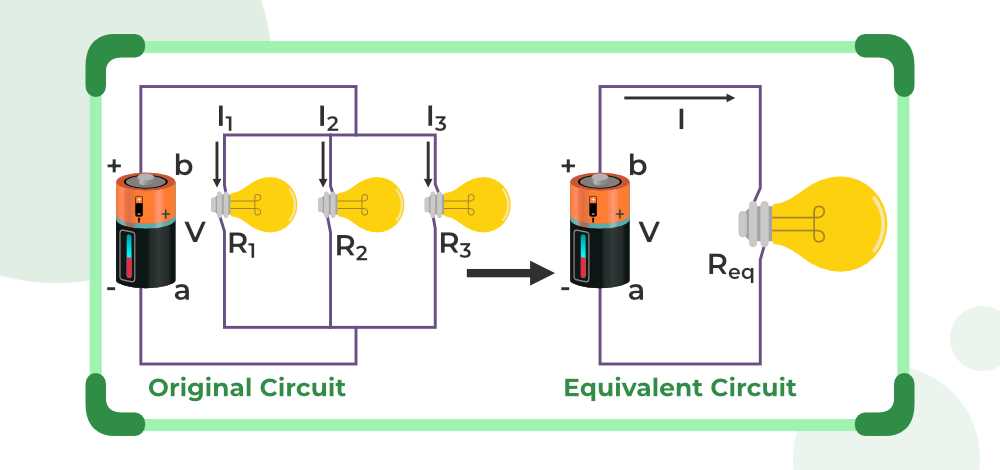
The behavior of these configurations differs in terms of resistance and current flow. When connecting units in a loop, the total resistance increases with each addition, while the other method keeps the resistance relatively low. In many cases, reducing resistance improves overall system performance.
HTML
Wiring Configuration for Current Distribution
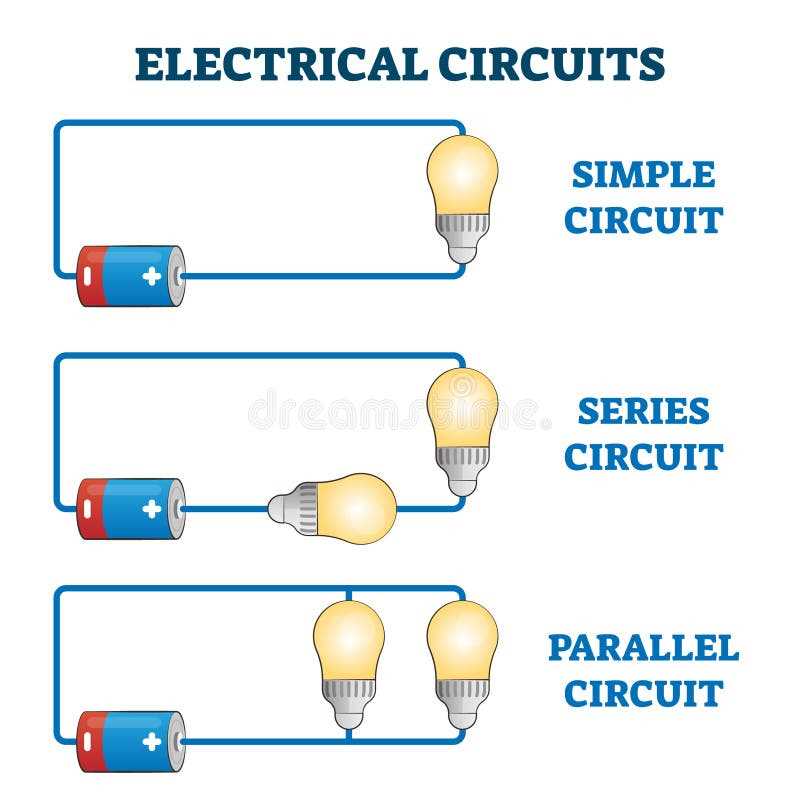
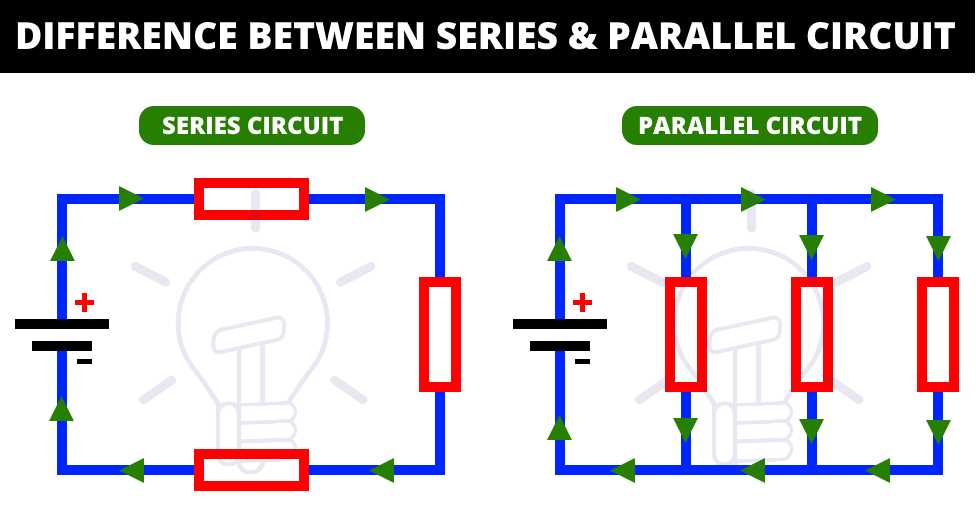
In the first setup, the components are connected end-to-end. The current passes through each one sequentially. To ensure uniform current flow, the total resistance in this arrangement is the sum of all individual resistances. This design works best when the same amount of current needs to flow through each part, such as in a series light bulb circuit.
For the second arrangement, each element is independently linked to the power source. The voltage remains constant across each branch, while the total current is divided among the branches. Here, the total resistance is reduced compared to the first arrangement, as the reciprocal of each resistance is summed to find the total resistance. This setup is ideal for powering multiple devices that each need the same voltage but can draw different amounts of current.
Choosing between these methods depends on the purpose. The first setup is preferable for devices that rely on the same current, while the second method suits systems where each component requires the same voltage but operates independently of others. Understanding the behavior of each configuration helps optimize energy distribution and ensure the safety and efficiency of the system.
How to Draw a Series Circuit with Resistors
To create a schematic with multiple resistors connected in a simple configuration, start by placing the power source at the top of your layout. Represent it using two parallel lines with a plus sign (+) for the positive terminal and a minus sign (-) for the negative terminal. This is the first step in establishing the flow of electricity.
Next, connect the resistors in a linear path. For each resistor, draw a small rectangle or zigzag line to represent it. Make sure that the symbols are connected in a straight line, without any branches diverging. This arrangement means that current flows through one resistor and then the next, one after another.
Label the Components
Label each resistor with a value, typically in ohms (Ω). Use “R1”, “R2”, “R3”, etc., to indicate the sequence of resistors. This ensures clarity and helps in calculations when determining total resistance.
Ensure that the power source is properly connected to the first resistor’s one side. The other side of this resistor should be connected to the next one in the series, and so on. The last resistor’s remaining terminal should go back to the negative terminal of the power source. This simple loop creates a closed path for the current to flow.
Check for correct polarity when adding the power source. The current should enter the resistors through the positive terminal and exit through the negative terminal. Properly following this connection is critical for accurate representation.
Understanding Current Flow
Remember, in this setup, the current remains constant throughout all resistors. The same amount of current flows through each resistor, but the voltage across each one will differ depending on its resistance.
To calculate the total resistance in this arrangement, simply add up the values of all the resistors. For example, if R1 is 5Ω, R2 is 10Ω, and R3 is 20Ω, the total resistance is 5Ω + 10Ω + 20Ω = 35Ω.
Lastly, be mindful of the power rating of each resistor. Ensure the resistors are capable of handling the power dissipation, especially when the total resistance is low and current may increase. This will help prevent overheating or damage to components.