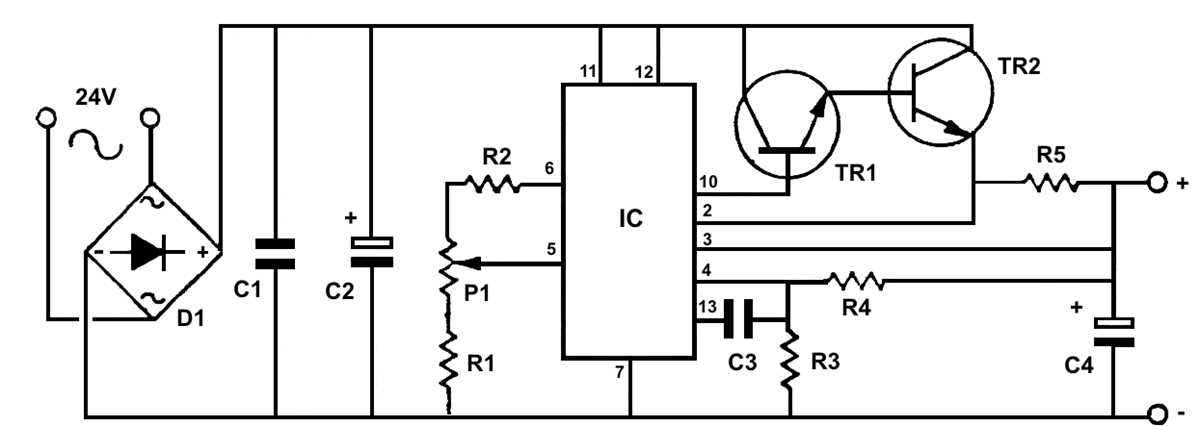
Use 12 AWG or 14 AWG stranded copper conductors to handle currents up to 20 amps without excessive heat buildup. Ensure all terminals are properly crimped and insulated with heat shrink tubing to prevent shorts and corrosion.
Install fuses rated 15-25% above maximum load near the input source. This protects transformers, regulators, and downstream components from overcurrent damage and provides an accessible point for maintenance.
Select high-quality connectors with proper insulation and contact surface area. For frequent disconnections, use Anderson-style or bullet connectors that maintain secure connections and minimize voltage drop.
Label all input and output lines clearly using heat-resistant tags or colored sleeves. Consistent labeling reduces mistakes during assembly, testing, and future modifications.
Test voltage and continuity at each junction with a digital multimeter before powering any devices. Verify that resistance stays under 0.05 ohms and that polarity is correct to avoid component damage.
Power Source Assembly Guide
Select conductors rated at least 20% above the maximum expected current. Use stranded copper for flexibility and minimal resistance. Ensure all insulation matches or exceeds system voltage, such as 600V rating for 480V setups.
Install fuses or breakers near the input terminals to protect transformers, regulators, and downstream modules. Choose holders that allow replacement without disassembling other connections. Label each protection device for quick identification.
Use connectors with sufficient contact area to reduce voltage drop.
- Crimped terminals applied with a ratcheting tool maintain consistent pressure.
- Bolted lugs are preferred for high-current junctions.
- Heat shrink or insulated boots cover exposed metal to prevent shorts.
Routing and Organization
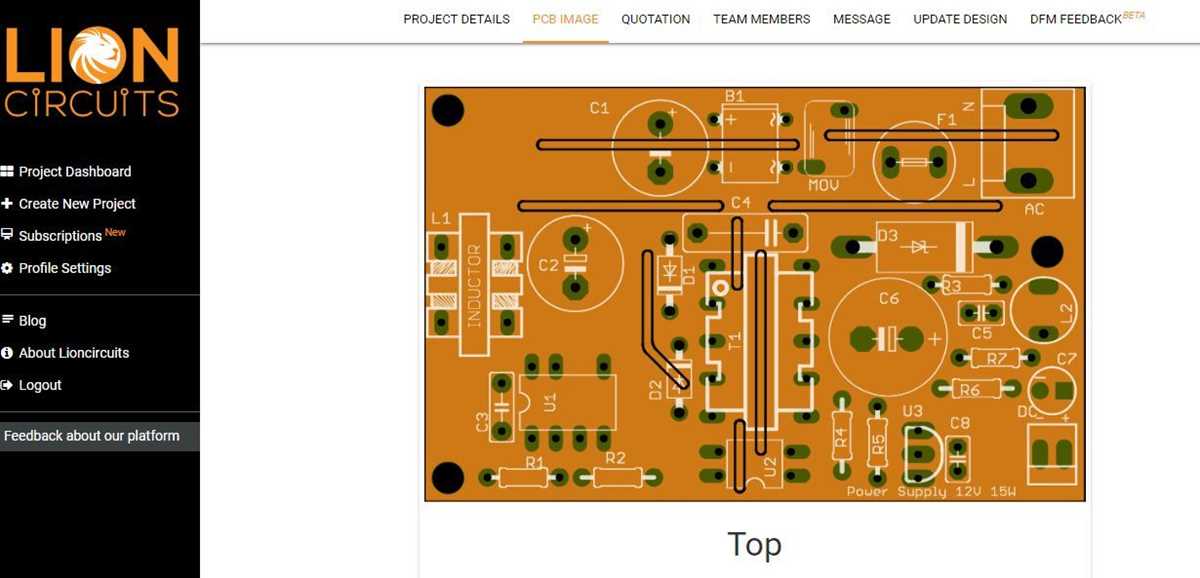
Keep all conductors organized and separated by function. Use cable trays, conduits, or clamps to prevent abrasion. Color-code input, output, and ground lines to simplify testing and troubleshooting.
Test each connection under load using a multimeter. Measure continuity, voltage drop, and resistance. Verify that all terminals remain tight after initial operation and that no overheating occurs at junctions.
Documentation and Maintenance
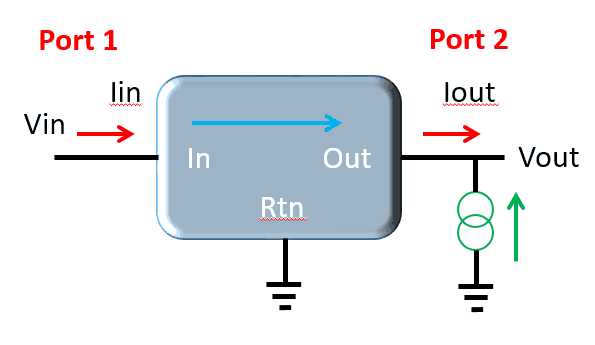
Label all terminals and paths clearly using durable heat-resistant tags. Document connections and ratings to simplify future modifications or repairs. Proper records ensure consistent performance and safe handling of the assembled source system.
Selecting Components and Conductor Sizes for Electrical Sources
Use stranded copper conductors rated at least 20% above the maximum current to prevent overheating and reduce voltage drop. For loads up to 20 amps, 14 AWG is sufficient, while 12 AWG handles 30 amps or more safely.
Choose insulation rated above system voltage. For a 120V or 240V setup, use 300V–600V insulation to prevent dielectric breakdown and ensure long-term reliability under thermal stress.
Use connectors with proper current ratings and contact area.
- Crimped terminals with a ratcheting tool provide consistent pressure and low resistance.
- Bolted lugs are recommended for higher current junctions to avoid loosening.
- Cover exposed connections with heat shrink or insulated boots to prevent shorts and corrosion.
Label all input, output, and ground conductors with durable heat-resistant tags or colored sleeves. Clear identification reduces errors during assembly, testing, and future maintenance, ensuring safe and reliable operation.