When setting up a high-speed network, it’s important to understand the proper way to connect your cables. Start by choosing the right type of twisted pair cable to ensure reliable performance. Properly terminating each wire and arranging the strands correctly will minimize signal loss and interference, leading to more stable connections.
Pay close attention to the color coding system of the cables. Each color represents a specific wire within the cable, and arranging them according to the standards guarantees that your network will operate as intended. Miswiring or incorrect pairing can result in poor performance or even complete failure of your network.
Once the connections are made, test them with a cable tester to ensure the signal passes through without any interruptions. This step can save you time in troubleshooting later. Proper installation of connectors and ensuring a solid physical connection will prevent problems in the future.
Understanding Network Cable Layout and Pinout
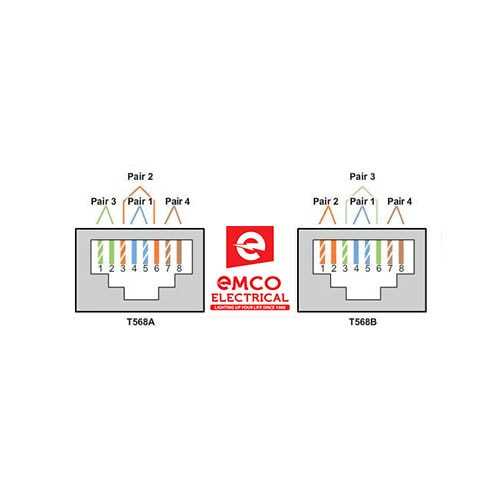
When creating connections for a reliable high-speed network, start by ensuring the cables are properly arranged according to the specified standards. Each cable consists of 4 twisted pairs, and these pairs must be aligned in the correct order to prevent interference and signal degradation. The two common wiring standards are T568A and T568B. Both standards achieve the same result but differ in the color coding of the wires. Choose one standard and stick to it throughout the installation.
For each of the four pairs, the color coding plays an important role. In the T568A standard, the order is white/green, green, white/orange, blue, white/blue, orange, white/brown, and brown. This pattern ensures that the signal travels through the correct path. Similarly, the T568B standard uses a different color order but achieves the same function. Always match the same color sequence at both ends of the cable to avoid connectivity issues.
Termination Process
The termination of the cable is the next step in establishing a stable connection. Use connectors that are compatible with the cable type. Ensure the individual wires are inserted fully into the connector, making good contact with the metal pins. A poor connection can result in weak or inconsistent signals. It is important to use a quality crimping tool that ensures a tight, solid connection. If the wires are not properly inserted, it can lead to an unreliable network connection.
After making the connection, use a cable tester to verify the integrity of the installation. Testing the cable ensures that each wire is properly connected and there are no faults in the signal path. This step can save significant troubleshooting time later on.
Common Mistakes to Avoid
One of the most common mistakes is not following the correct color coding sequence. Mixing up the order can result in a faulty network, where data might not transfer properly or be interrupted. Also, avoid twisting the cables too tightly, as this can lead to the loss of signal quality due to excessive resistance or possible damage to the wires.
Another mistake is insufficient stripping of the wire insulation. Stripping too little might cause the wire to not reach the correct connector pin, while stripping too much can cause the wire to touch other pins, causing short circuits or signal interference. Proper stripping is key to a secure and functional connection.
By paying attention to these details, you can avoid common pitfalls and ensure that your network runs smoothly and efficiently. A well-made cable not only delivers a reliable connection but also contributes to the overall health of your network infrastructure.
Step-by-Step Guide to Wiring a Cat6 Cable
To begin, measure the length of the cable you need and cut it with a sharp tool to avoid damaging the wires inside. Make sure you have extra length for adjustments during the setup process. This will help ensure that your connection isn’t too tight or loose once completed.
Next, strip approximately one inch of insulation from each end of the cable using a wire stripper. Be careful not to cut into the individual wires inside. This will expose the twisted pairs of wires that you’ll need to arrange and connect properly.
Arrange the Pairs in the Correct Order
At this stage, separate the four twisted pairs of wires and arrange them according to the standard you choose to follow (T568A or T568B). Make sure the order matches exactly on both ends of the cable to maintain the correct pairing. This step is crucial for ensuring that the signal transmission is smooth and without interference.
For the T568A standard, the color order is: white/green, green, white/orange, blue, white/blue, orange, white/brown, brown. The T568B standard swaps the green and orange pairs. Select one and stick with it for the entire cable.
Insert Wires into the Connector
Now that the wires are arranged in the correct order, carefully insert them into an RJ45 connector. Use a small, steady hand to push the wires all the way into the connector, ensuring each one reaches the metal pins at the end of the connector. A poor connection here can cause data issues or a completely non-functional cable.
While inserting the wires, ensure that the cable jacket is inside the connector. This ensures a better grip and protects the wires from external damage. It’s also a good idea to double-check the arrangement before proceeding with the crimping process.
Once the wires are correctly positioned, use a crimping tool to securely press the connector onto the cable. This step establishes the physical connection between the cable and the connector pins. Apply firm pressure to ensure the connection is strong and durable, preventing loose or inconsistent connections in the future.
After crimping, you can use a cable tester to verify that all the connections are correct and that there are no issues with signal transmission. This simple test will help you identify if any wires are misaligned or improperly connected before using the cable for networking.
Finally, repeat the same steps for the other end of the cable, ensuring both connectors are properly made. Once completed, your cable should be ready to use for fast and reliable network connections, with both ends securely wired and tested for functionality.