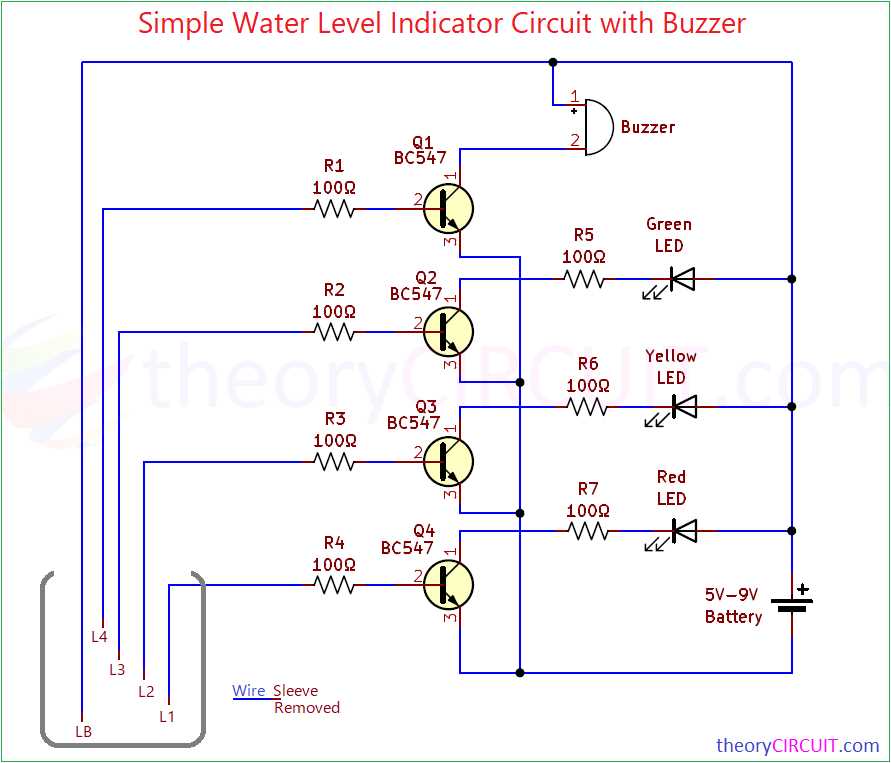
Use the correct voltage rating for the alert module to prevent damage. Most compact alert devices operate at 5V or 12V DC, while larger warning units may require 24V. Verify the specification printed on the component before installation.
Install a current-limiting resistor in series if the control source exceeds the device rating. For a 12V alert rated at 20mA, a 470-ohm resistor ensures the unit receives safe current without dimming or failure.
Connect leads firmly to terminals or solder points to avoid intermittent signals. Loose contacts can produce irregular sound patterns or failure to trigger at the desired moment.
Test the assembly with a multimeter and temporary activation before final mounting. Confirm that the alert operates at full volume and triggers reliably under the intended input conditions.
Secure the component away from heat sources and vibration-prone areas. Use insulated clamps or brackets to prevent mechanical stress and ensure long-term reliability.
Sound Alert Connection Guide
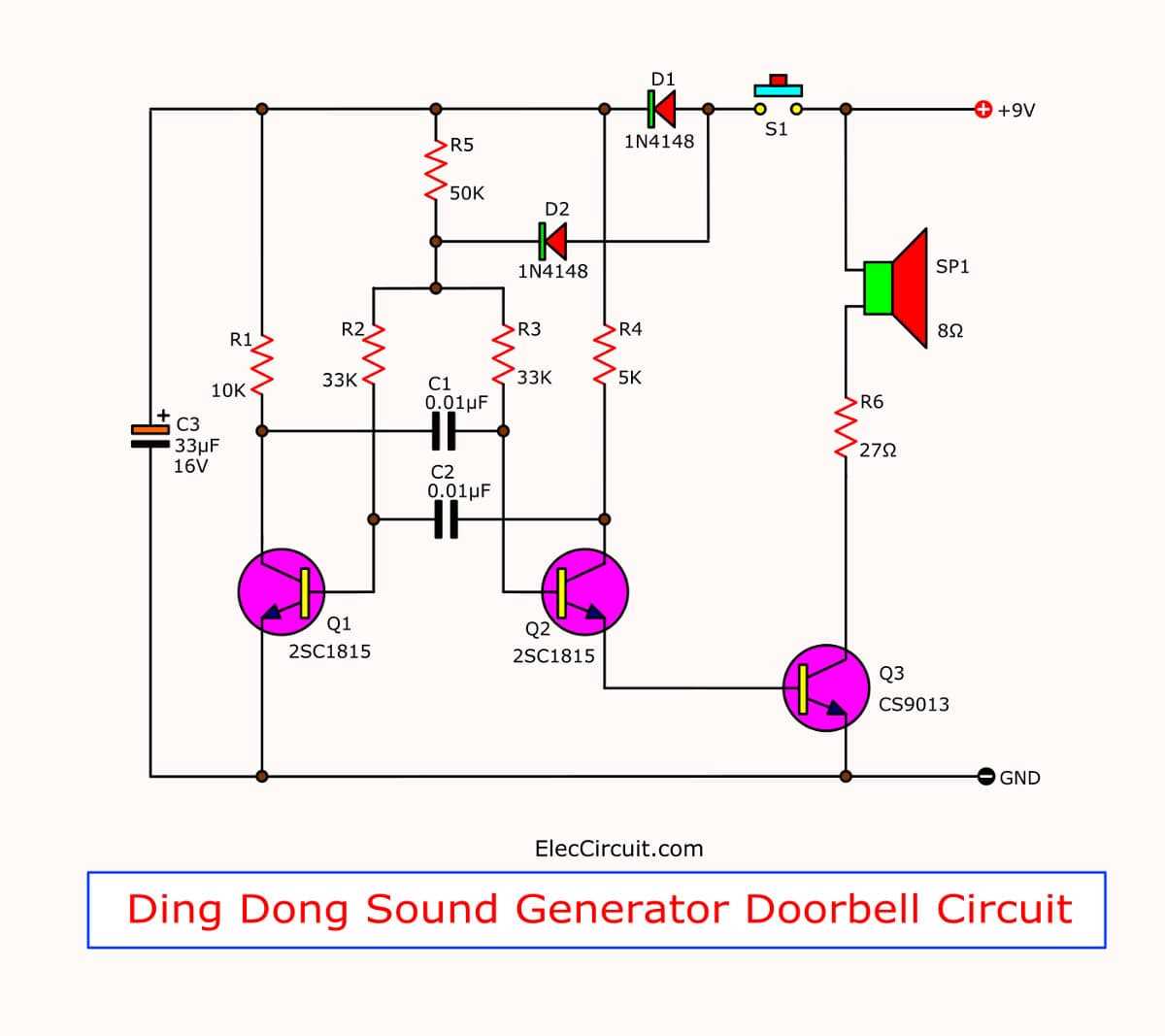
Choose the correct voltage source for the alert device to match its rating. A 12V DC unit should never be connected directly to a 24V line without a step-down resistor or regulator. Incorrect voltage can damage the component or produce inconsistent signals.
Verify all terminals are secure and insulated. Use solder or screw connectors depending on the model, and avoid exposed leads that may short against metal surfaces. Test the assembly with a temporary activation to ensure it triggers reliably before final mounting.
Selecting Voltage and Current Ratings for the Alert Device
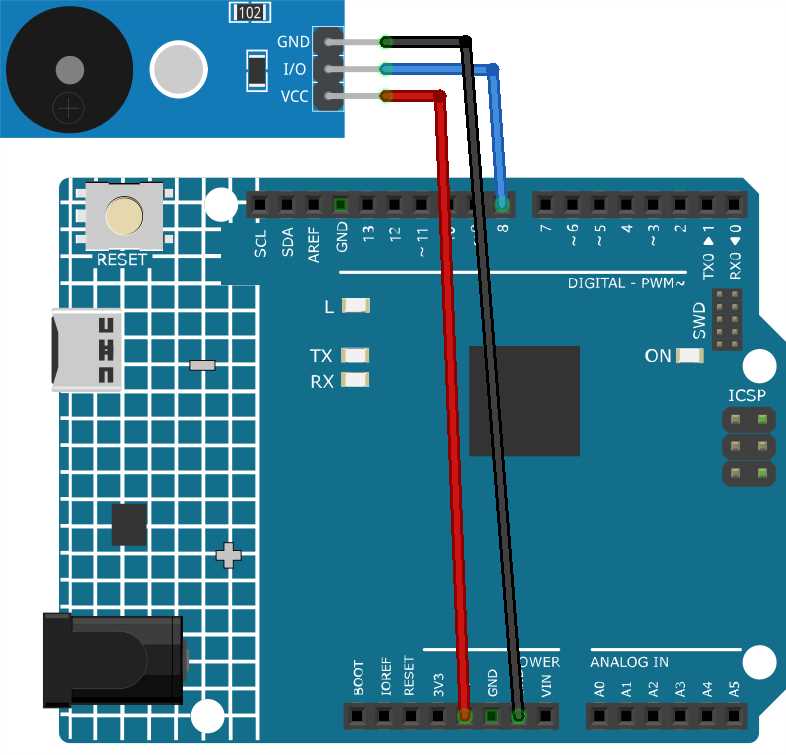
Check the rated voltage on the component label before installation. Small alert units typically operate at 3V, 5V, or 12V DC, while industrial models may require 24V DC or AC. Applying higher voltage than specified can burn the internal coil and render the device inoperative.
Determine the current draw of the device under normal operation. A standard 12V alert may consume 20–30mA, while high-output models can draw 100mA or more. Ensure the power source can supply slightly more than the maximum rated current to avoid undervoltage or overheating.
- Low-voltage units (3V–5V) are suitable for microcontroller-based triggers.
- Medium-voltage units (12V) fit automotive or battery-powered alarms.
- High-voltage units (24V) are designed for industrial panels and control systems.
Use a series resistor if the input voltage exceeds the rated value. For example, a 12V DC supply connected to a 5V unit requires a resistor calculated using Ohm’s law: R = (V_supply – V_device)/I_device.
Verify continuous and peak currents for alert units that produce pulses or intermittent signals. Some components tolerate short surges of twice the rated current, but sustained overloads reduce lifespan and reliability.
- Measure the voltage at the terminal under load to ensure consistent supply.
- Check current with a multimeter to confirm it does not exceed specifications.
- Adjust resistor or power supply output if readings are outside safe limits.
Document all ratings in a reference sheet for future maintenance. Include voltage, nominal current, and maximum allowable current to prevent mistakes during replacements or upgrades.
Test the assembly under normal operating conditions before final installation. Confirm that the alert produces the expected sound level without overheating or distortion, indicating proper voltage and current selection.