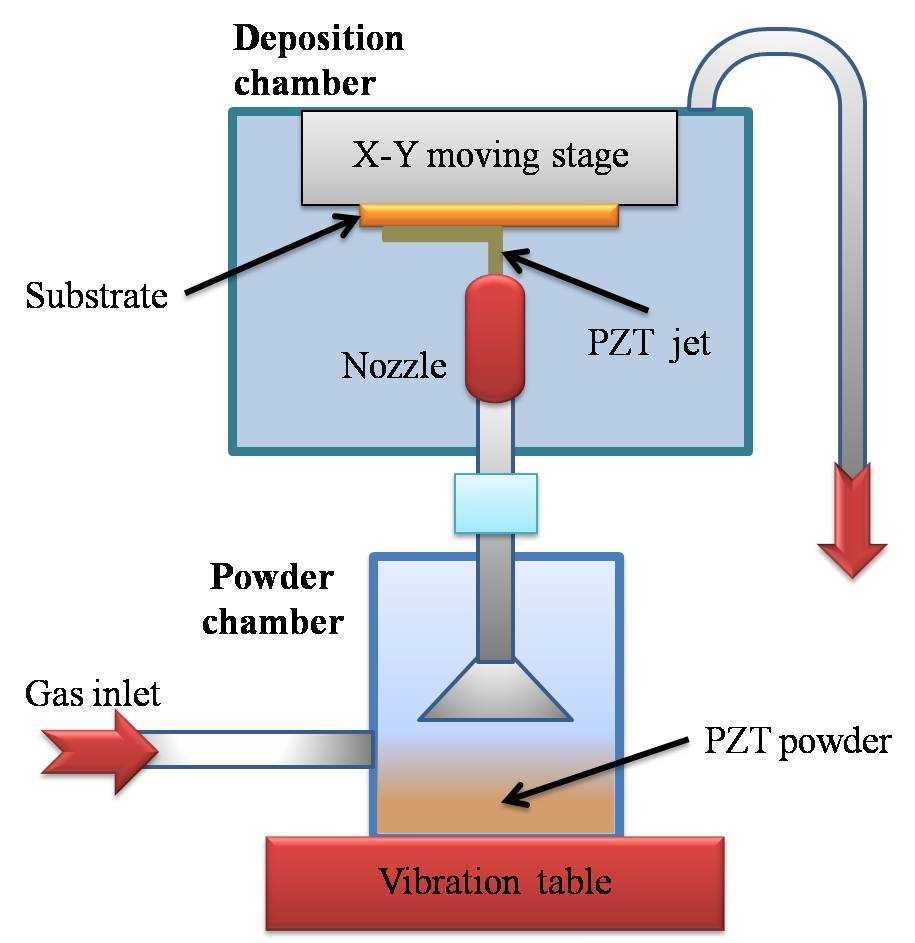
Connect the vibration plates directly to the storage capacitors to minimize losses and stabilize voltage output. Use low-resistance conductors rated for at least 1 amp to handle peak spikes without degradation.
Ensure correct polarity on each transducer element to prevent phase cancellation that reduces overall voltage. Label terminals clearly and double-check connections before applying load to avoid damage.
Integrate a bridge rectifier immediately after the transducers to convert AC pulses to DC. Select diodes with a forward voltage drop below 0.4 volts for maximum energy retention.
Incorporate a voltage regulator downstream to maintain consistent output under varying mechanical stress. Choose regulators with low quiescent current to preserve harvested energy during idle periods.
Monitor voltage and current continuously with a multimeter or data logger during initial operation. Adjust the spacing and mounting angle of each element to optimize energy capture from the applied vibrations.
Piezoelectric Generator Connection and Energy Flow Analysis
Directly link each transducer element to the rectifier input to maximize voltage conversion from mechanical stress. Ensure that all conductors are rated for transient currents above 1.5 amps and minimize line length to reduce energy loss. Use heat-shrink insulation at every junction to prevent short circuits and maintain signal integrity.
Track energy movement through each stage with a data logger to detect voltage drops or phase mismatches. Arrange capacitors in parallel for high storage capacity, and monitor regulator output to confirm steady voltage supply. Adjust alignment angles of the transducers and load positioning to enhance overall energy capture efficiency, focusing on high-frequency vibrations for peak performance.
Identifying Terminals and Conductive Paths for Piezo Devices
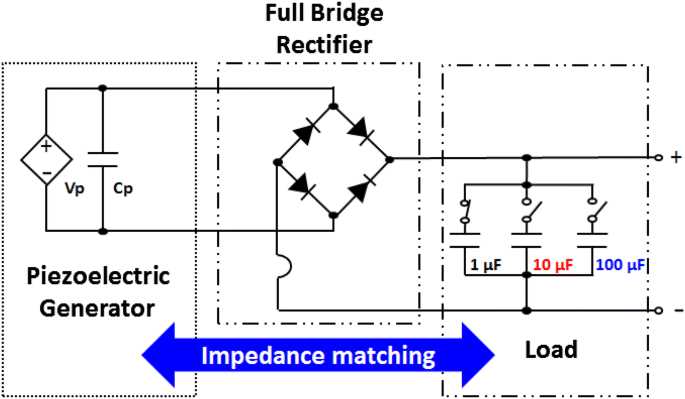
Mark positive and negative terminals clearly on each transducer before connecting to the load to prevent reverse polarity damage. Use a multimeter to confirm continuity and measure open-circuit voltage across each element, ensuring proper orientation of conductive layers.
Trace each conductive path from the element to the storage or regulation unit, verifying insulation integrity. Avoid sharp bends or twists in the leads, as this can induce micro-cracks in thin conductive coatings and reduce voltage output.
Group parallel elements carefully to balance load sharing. Use identical lead lengths where possible to prevent phase differences that can reduce total harvested energy. Label each path for quick identification during maintenance or replacement.
Check for corrosion at all contact points, especially on solder joints and terminals exposed to moisture. Apply a thin layer of protective coating to prevent oxidation, which can increase resistance and decrease device responsiveness.
Document each connection layout in a reference sheet, including terminal IDs, lead colors, and path sequences. This simplifies troubleshooting, supports repeatable setups, and ensures safe handling during experimental adjustments or energy flow measurements.