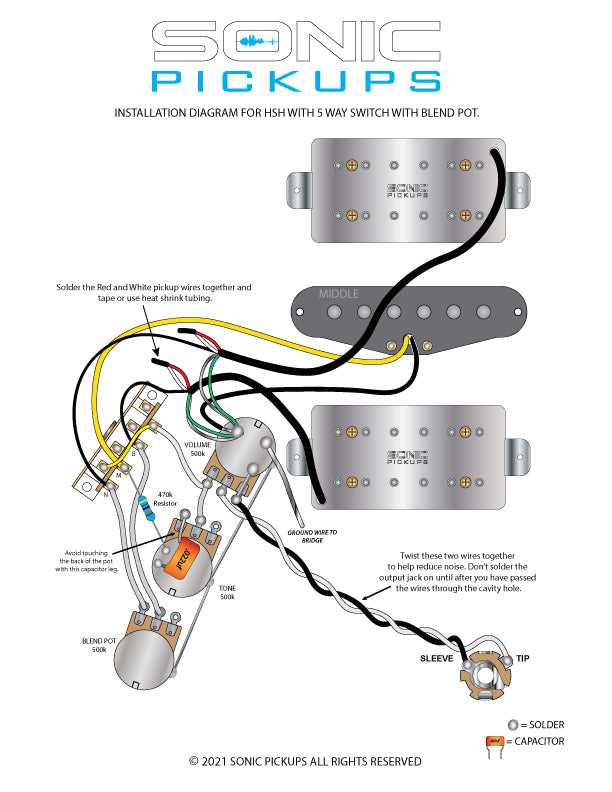
If you’re building a guitar with a single pickup and minimal controls, a simple setup with one knob for adjusting loudness and another for shaping the tone can be a great choice. This straightforward configuration is both functional and easy to install. The key is to focus on the connections between the pickup, the two pots, and the output jack.
Start by connecting the pickup lead to the input lug of the first control. From there, run a wire from the other lug of the first pot to the second pot’s input. The second control will allow you to adjust the frequency response by altering the tone. Ensure all grounds are properly connected to avoid hum or unwanted noise in the circuit. A clean ground connection will improve signal clarity.
Be cautious when soldering the connections–too much heat or improper placement can damage the components. It’s also important to test the assembly before finalizing everything on the guitar body. Checking the functionality of the knobs ensures smooth operation and that the desired range of adjustments is achieved.
1 Humbucker 1 Volume 1 Tone Wiring Setup
The basic connection for this setup involves three primary components: a single pickup, a single control for adjusting output level, and a second for shaping the frequency response. Start by linking the hot lead of the pickup to the first control’s input terminal. This will allow the adjustment of loudness. Next, connect the output of this control to the input terminal of the second, which will influence the high-end frequencies.
For ground connections, make sure all metal components are connected to the same grounding point. This minimizes hum and ensures consistent signal flow. A poor ground connection can lead to noise and interference that disrupts the performance of the instrument.
Use a soldering iron with precise control to connect the components. Overheating can damage the pots and wires, so ensure a clean, quick solder joint. This is especially important when working with delicate parts like the lead from the pickup.
When routing the connections, ensure that the wires are not in contact with any moving parts, like the tremolo bridge or strings. This reduces the risk of wear and tear on the insulation and prevents shorts or cuts in the wiring.
Once the components are soldered, carefully check each connection by testing the circuit. Rotate the first control and confirm that the signal level varies as expected. Then, turn the second knob and adjust the frequency balance, making sure it is functioning across its full range.
If you experience signal issues, inspect the ground connections first. Many issues stem from improper grounding, causing weak or inconsistent output. Recheck the solder joints to ensure a clean connection. If necessary, add a second grounding wire to further enhance the circuit.
After everything is wired correctly, test the setup on a temporary body before finalizing installation. It is easier to troubleshoot in a temporary setup than if everything is permanently installed. Once you’re satisfied with the performance, proceed with mounting the components on the guitar body.
Final adjustments may be necessary after installation. Listen closely for any unwanted noises and check all connections for stability. A reliable setup ensures smooth playability and longevity of the instrument. Once everything is in place and properly functioning, you’ll have a straightforward, reliable control setup that maximizes the guitar’s sonic potential.
How to Wire a Single Pickup with One Control for Output Level
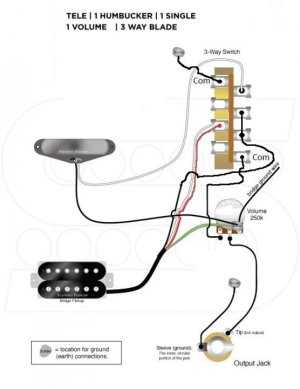
Start by connecting the hot lead of the pickup to the input terminal of the first control. The output terminal of this control will then be connected to the output jack. This simple setup allows you to control the loudness of your instrument. Be sure to check that the signal is properly flowing from the pickup to the jack through the control, and make any necessary adjustments if the sound is weak or distorted.
Grounding the Circuit
The next step is grounding the circuit. Connect the ground wire from the pickup to the casing of the first control and from there to the output jack. A solid ground connection is crucial to avoid hum and interference. Make sure that all metal parts, including the controls and jack, share a common ground. This will improve the overall performance of your instrument.
Testing the Setup
Before finalizing the installation, test the circuit by turning the control knob. Ensure that the output changes as you adjust the knob. If the sound isn’t behaving as expected, double-check the connections for any loose or poor solder joints. After confirming that everything works as intended, you can proceed with mounting the control on your guitar body.