Disconnect the power supply and verify zero voltage with a tester before connecting conductors inside a household power connector. Most residential systems operate at 110–120 V or 220–240 V, and incorrect connection of live, neutral, or protective earth can cause equipment damage or electric shock.
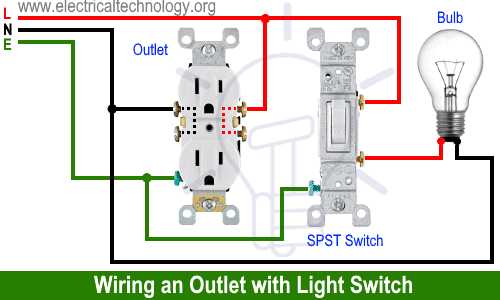
A standard mains connector contains three terminals. The live conductor carries voltage from the supply line, the neutral conductor returns current to the distribution panel, and the protective earth provides a safety path during insulation failure. Inside many connectors these terminals are identified by markings such as L, N, and the ground symbol.
Color identification helps prevent mistakes during installation. In many regions the brown wire connects to the live terminal, the blue wire connects to neutral, and the green-yellow conductor attaches to the ground terminal. North American systems often use black for live, white for neutral, and green or bare copper for grounding.
Correct cable preparation also matters. Strip about 8–10 mm of insulation, twist the copper strands tightly, and secure them under terminal screws without leaving exposed metal outside the clamp. Tight connections reduce heating and prevent intermittent electrical contact.
Outlet Plug Wiring Diagram With Live Neutral and Ground Connection Guide
Turn off the breaker and verify zero voltage with a tester before connecting conductors inside a mains power connector. Household supply typically delivers 120 V at 60 Hz or 220–240 V at 50 Hz, and each conductor must reach the correct terminal to avoid overheating or shock risk.
Terminal Identification Inside a Power Connector
Most detachable power connectors contain three internal terminals marked with letters or symbols that indicate their electrical role.
- L terminal for the live conductor
- N terminal for the neutral conductor
- Ground symbol terminal connected to protective earth
The live conductor carries voltage from the distribution panel. The neutral conductor returns current to the panel bus. Protective earth connects metal appliance housings to ground so that fault current travels through a low-resistance safety path.
Typical Wire Color Connections
Most modern cables follow standardized color identification, though variations exist depending on the country.
- Brown wire connected to the live terminal
- Blue wire connected to the neutral terminal
- Green yellow conductor connected to protective earth
North American cables usually use black for live, white for neutral, and green or bare copper for grounding. Always confirm with local electrical codes before installation.
Strip about 8–10 mm of insulation from each conductor, twist the copper strands tightly, and secure them firmly under the terminal screws. Loose connections create resistance that may produce heat buildup and damage the connector housing.
Identifying Live Neutral and Ground Terminals Inside a Standard Power Plug
Disconnect the appliance from the mains and open the connector housing before identifying the internal terminals. Inside most household connectors you will find three metal terminals that correspond to the live conductor, the neutral return path, and the protective earth connection.
Recognizing the Live Terminal
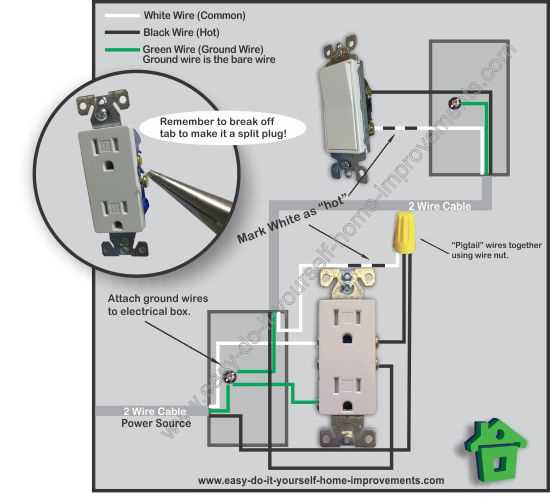
The live terminal usually connects to the pin that delivers voltage from the electrical supply. In many connectors this terminal is marked with the letter L. It often connects to the fuse holder in designs used in regions such as the United Kingdom. The conductor attached to this terminal carries full line voltage, typically 220–240 volts or 120 volts depending on the electrical system.
The live terminal screw normally sits closest to the fuse or to the shorter blade in flat-pin connectors. Careful placement of this conductor prevents exposed metal parts from remaining energized when the device switch is turned off.
Neutral and Protective Earth Terminals
The neutral terminal is usually marked with the letter N. This connection returns current to the distribution panel after electricity passes through the appliance. In many designs it connects to the wider blade or a larger pin. The neutral path carries current but remains close to ground potential under normal operating conditions.
The protective earth terminal connects to a metal pin or contact identified by the ground symbol. This terminal links the appliance chassis to earth ground. If insulation fails and a live conductor touches the metal housing, fault current flows through this path and causes a breaker or fuse to trip.
Terminal screws should be tightened firmly after inserting stripped conductors. Exposed copper outside the clamp must be avoided, and the cable clamp inside the housing should grip the outer insulation rather than the individual wires.