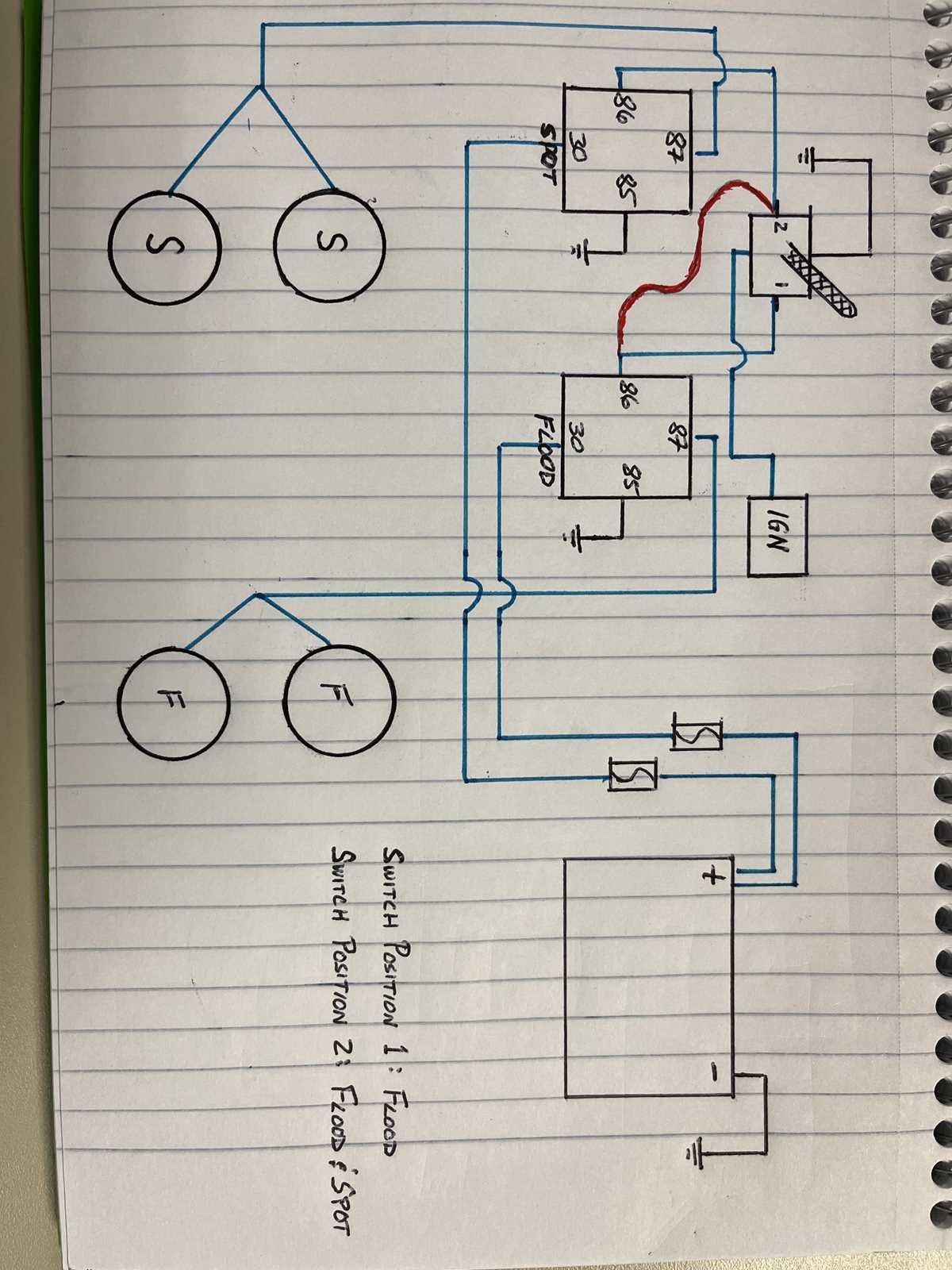
Use a 12V power source with a 10W white diode array for optimal backyard or garage coverage. Ensure the resistor matches the voltage drop to prevent overheating and extend operational lifespan.
Mount the panel on an aluminum heat sink to maintain thermal stability during continuous operation. Secure connections with soldered joints and insulating sleeves to reduce power loss and avoid shorts.
Choose a driver module rated for constant current output around 700mA to maintain brightness consistency across all units. Include a fuse rated slightly above the total load to protect against voltage spikes.
Position the assembly at a 30-degree angle from the surface for maximum area illumination and minimal glare. Use waterproof casings if the installation is exposed to rain or humidity to prevent corrosion and electrical faults.
Outdoor Illumination Assembly Instructions
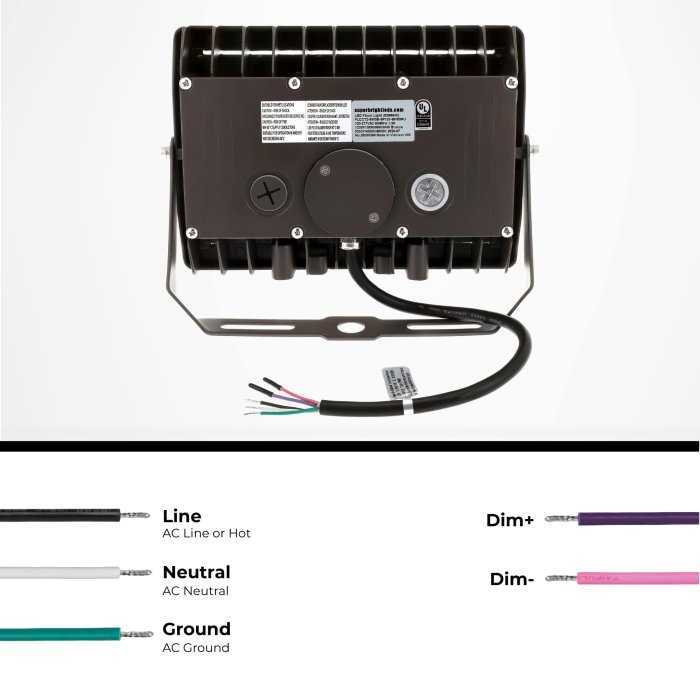
Connect a 24V power source to a 15W white diode module using a 1.5Ω resistor to balance current flow. Ensure solder joints are secure and insulated to prevent shorting and energy loss.
Mount the array on a metal backing plate with thermal paste for heat dissipation. Arrange individual emitters in parallel strings of four to maintain uniform brightness across the panel.
- Attach a constant current driver rated at 1A output to maintain stable intensity.
- Install a fuse slightly above the total amperage to guard against surges.
- Position the assembly at a 45-degree tilt for maximum coverage while reducing glare.
Encase the module in a waterproof enclosure for outdoor placement. Ensure the casing has ventilation slots to prevent condensation and overheating during prolonged use.
Selecting Components for High-Intensity Panels
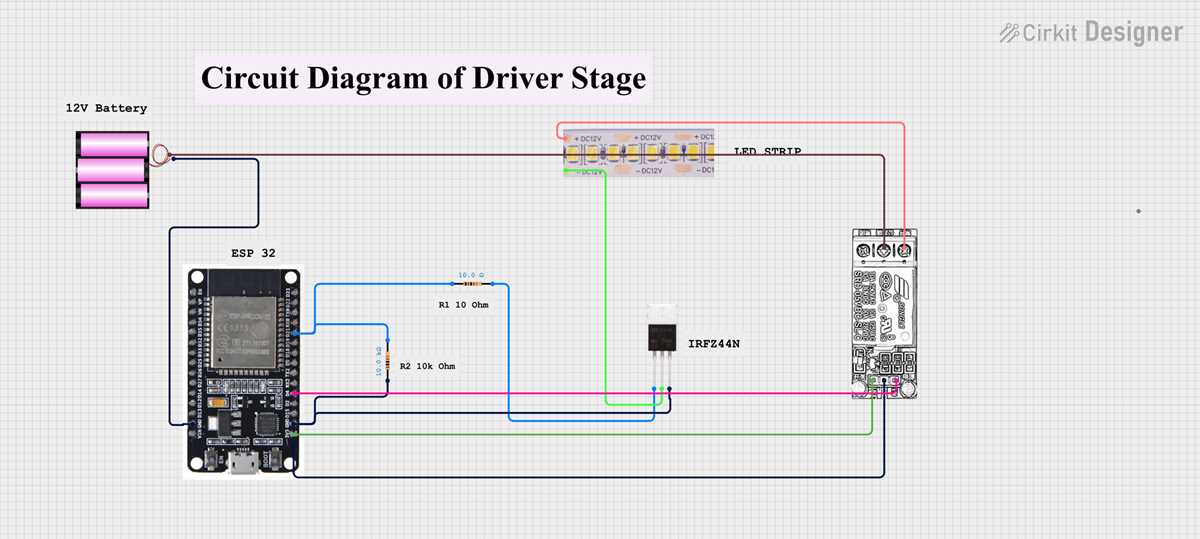
Use a constant current driver rated for 700mA to maintain stable output across multiple diodes. Ensure the input voltage matches the total array to prevent overloading and heat buildup.
Choose resistors with at least 2W rating for each string to handle power dissipation. Calculate resistance by dividing voltage drop across the module by the desired current.
Mount diodes on an aluminum backing plate with thermal paste to improve heat transfer. Arrange modules in parallel groups of three or four to balance brightness and reduce individual stress on emitters.
Select fuses rated slightly above total current consumption to protect against short-term voltage spikes. Use waterproof connectors for any outdoor installation to prevent corrosion and maintain reliable connections.