Match each colored lead to its function carefully. Green is typically used for right turn signals, yellow for left turn signals, brown for tail and running lights, and white for ground. Confirm vehicle specifications before connecting to avoid short circuits.
Strip wires to approximately 6mm and secure with proper crimp terminals. Use corrosion-resistant connectors to maintain reliable contact under vibration and moisture. Avoid twisting multiple wires together without a terminal to prevent loose connections.
Test each function individually before final installation. Apply 12V power to verify brake lights, turn signals, and running lights operate correctly. A multimeter can confirm continuity and proper grounding, reducing risk of electrical failure while towing.
Step by Step Guide to 4 Wire Connector for Safe Vehicle Light Connections
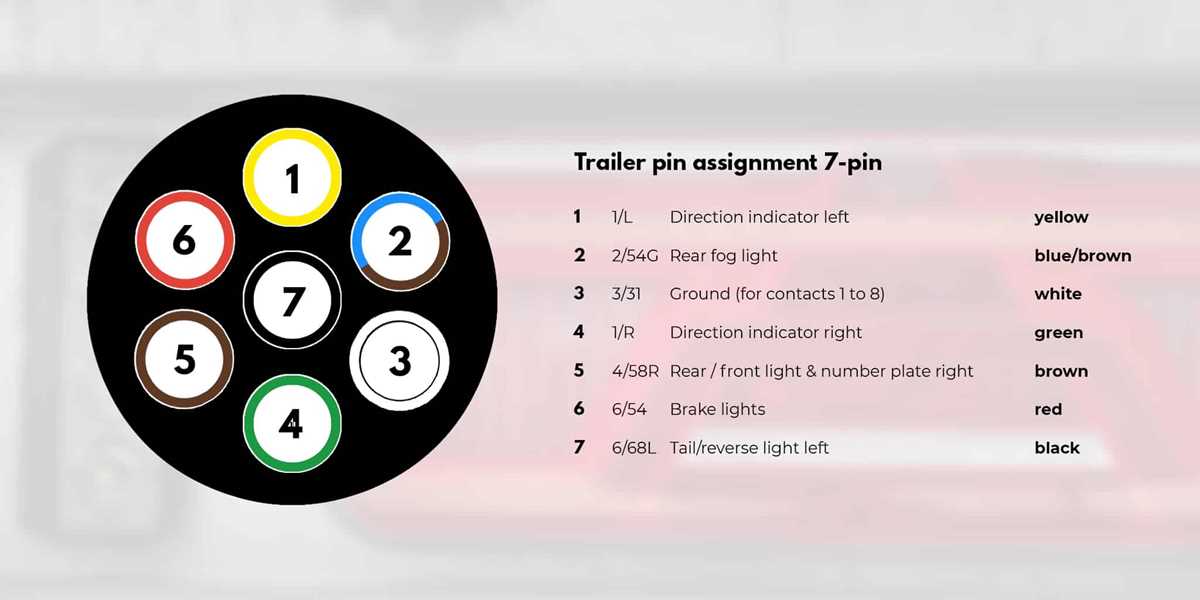
Start by identifying the function of each colored lead. Green is for right turn signals, yellow for left turn signals, brown for tail and running lights, and white for ground. Strip about 6mm of insulation and attach corrosion-resistant terminals to ensure a secure connection that withstands vibration and moisture.
Test each lead individually before final assembly. Apply 12V to verify brake lights, turn signals, and running lights operate correctly. Use a multimeter to confirm continuity and proper grounding. After verification, bundle wires neatly and secure them with zip ties to prevent chafing and maintain safe operation while driving.
Identifying Wire Colors and Their Functions for 4 Wire Vehicle Connectors
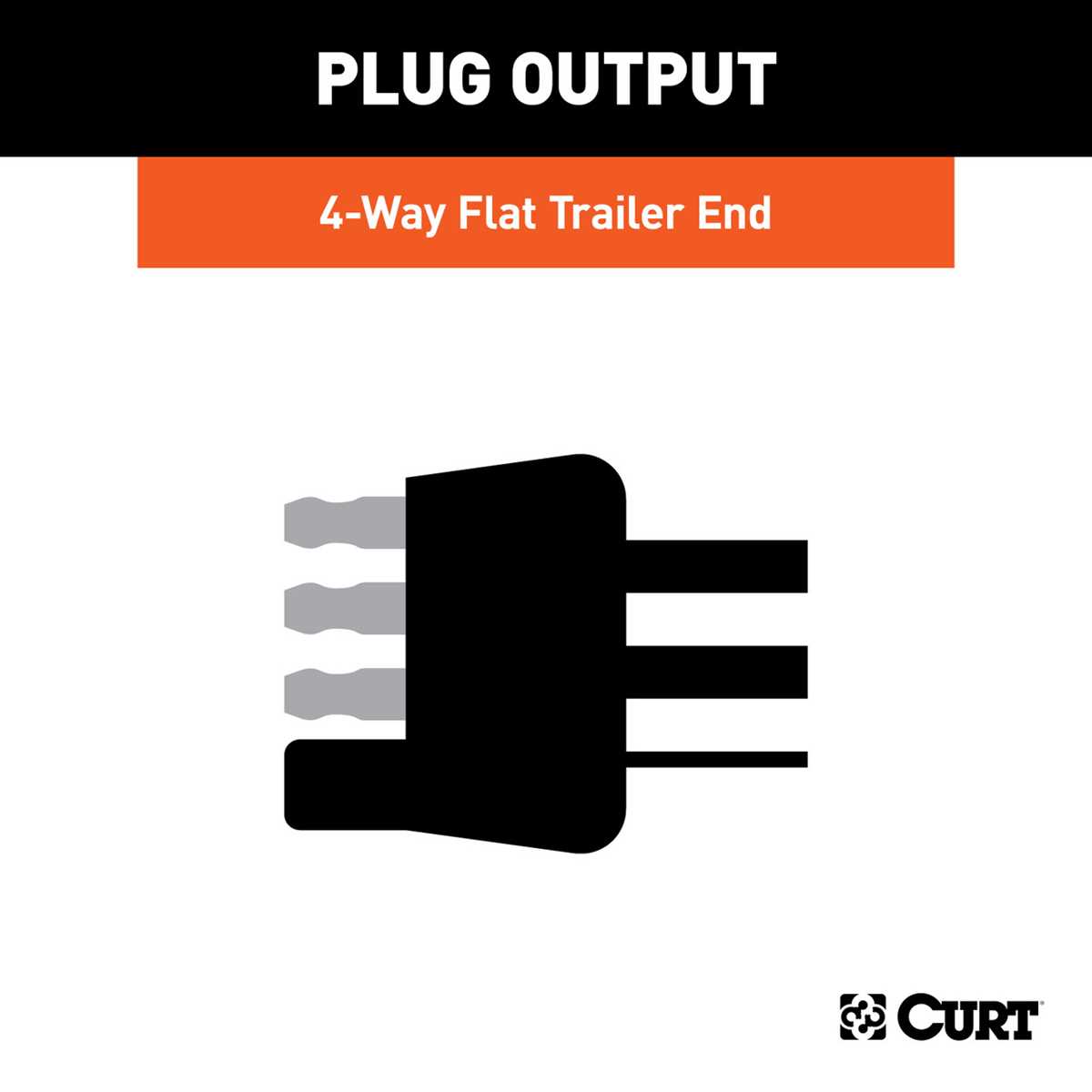
Green leads should always be used for right-side turn signals. Confirm continuity with a multimeter before connecting to ensure the signal flashes correctly. Avoid mixing with other colored leads to prevent accidental shorts.
Yellow wires are designated for left-side turn indicators. Strip approximately 6mm of insulation and attach corrosion-resistant terminals. Check the voltage with a test light to verify proper operation before securing the lead into the housing.
- Brown wires are for tail and running lights, carrying low current continuously.
- White wires function as ground and must be connected to the vehicle chassis or a dedicated grounding point.
- Ensure all connections are tight to avoid intermittent lighting issues during travel.
Use color-coded labels or heat shrink tubing to mark each lead if the existing insulation is worn. This prevents confusion during installation or future maintenance and maintains consistent signal routing.
Test the entire assembly before attaching it to the towed unit. Activate brake lights, turn signals, and running lights individually. Correct any misrouting immediately to prevent electrical faults that could compromise visibility or safety on the road.