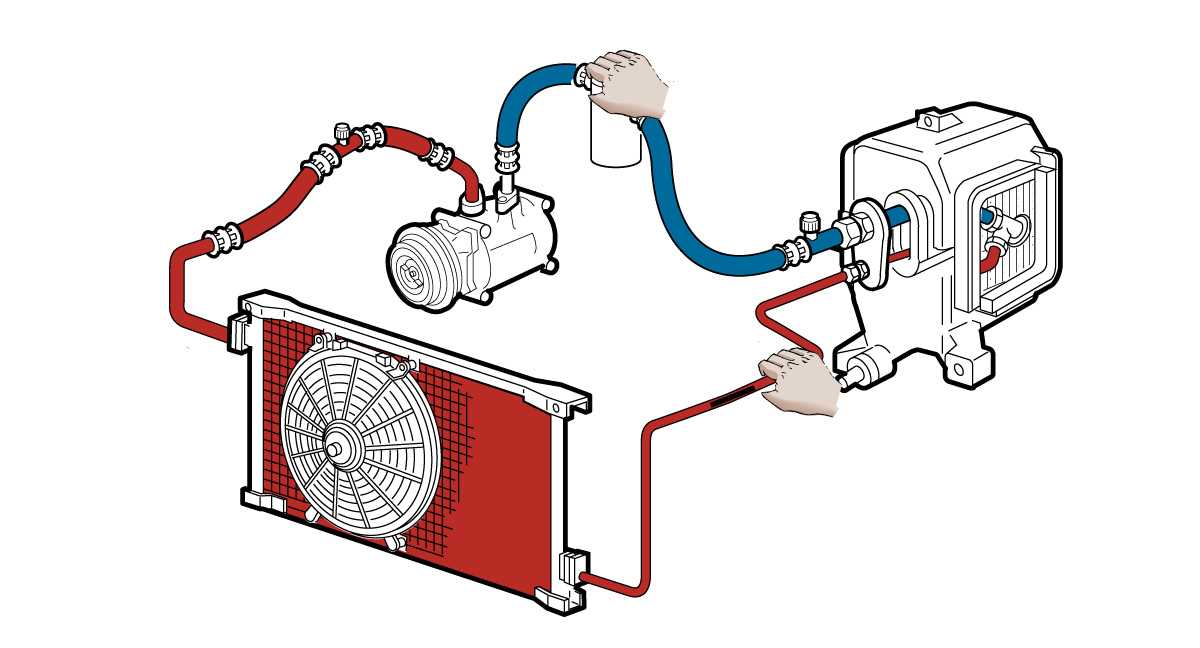
Verify voltage supply stability before connecting any connectors to the cooling system’s electronic control unit. Fluctuations exceeding 0.5 volts can cause sensor misreads or premature relay failure, particularly in models with dual-zone regulators.
Map each conductor according to color codes supplied by the manufacturer. Red and yellow traces usually indicate power lines, while green or blue are reserved for signal feedback from temperature sensors and pressure transducers.
Ensure proper grounding points at chassis locations with minimal corrosion. Poor ground paths can trigger intermittent blower motor operation or compressor clutch cycling, often misdiagnosed as control module malfunction.
Confirm fuse ratings match the amperage specified for each actuator. Underrated fuses frequently blow during high-load conditions, while overrated fuses may fail to protect sensitive circuitry during a short circuit.
Label connectors and terminals prior to disassembly. Color-coded or numbered tags prevent misrouting of sensor leads and enable quick reconnection after system inspection or component replacement.
Automotive Climate Control Circuit Guide
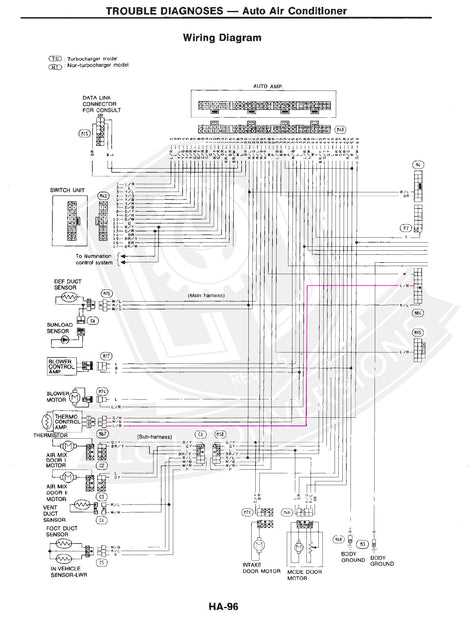
Check relay coil resistance before replacing any actuators. Typical values range from 70 to 90 ohms, and readings outside this window indicate shorted or open coils. Verify continuity between the control module and compressor clutch terminals using a multimeter set to 200 ohms, ensuring uninterrupted signal flow under engine running conditions.
Route sensor leads away from high-heat components such as exhaust manifolds or turbochargers. Heat exposure above 120°C can degrade insulation and cause intermittent voltage spikes. Shield flexible harnesses with heat-resistant sleeving and secure with nylon clips to maintain consistent sensor feedback for temperature and pressure transducers throughout all operating cycles.
Selecting Components for Reliable Operation
Choose relays rated above 30A for compressor engagement circuits. Lower-rated relays often fail after 1000–1500 cycles under peak current, causing intermittent clutch disengagement. Opt for sealed connectors to reduce oxidation risk in high-moisture environments.
Use sensor modules with metal housings to improve thermal stability. Plastic-cased transducers may drift by ±2°C after prolonged exposure to engine heat, affecting pressure and temperature readouts. Metal enclosures also reduce electromagnetic interference on low-voltage signal lines.
Prioritize fuse protection on actuator circuits:
- Blower motor: 40A slow-blow
- Compressor clutch: 25A fast-acting
- Temperature sensors: 5A mini fuse
Incorrect fuse selection can lead to repeated component burnout or control module errors.
Select resistors with at least 10W rating for fan speed control units. Underrated resistors tend to overheat and trigger thermal cutouts, producing inconsistent airflow levels and potential circuit damage.
Opt for braided harnesses over single-core cables in high-vibration areas. Braided construction minimizes conductor fatigue and reduces the risk of short circuits caused by chafing against brackets or sharp edges.
Secure connectors with locking clips on all high-current terminals. Loose terminals generate arcing, heat buildup, and eventual plastic deformation, leading to system failures and diagnostic confusion.
Include a diagnostic port inline with sensor arrays for real-time monitoring. Early detection of voltage anomalies or resistance shifts allows targeted replacements, extending component lifespan and maintaining consistent performance under varied load conditions.