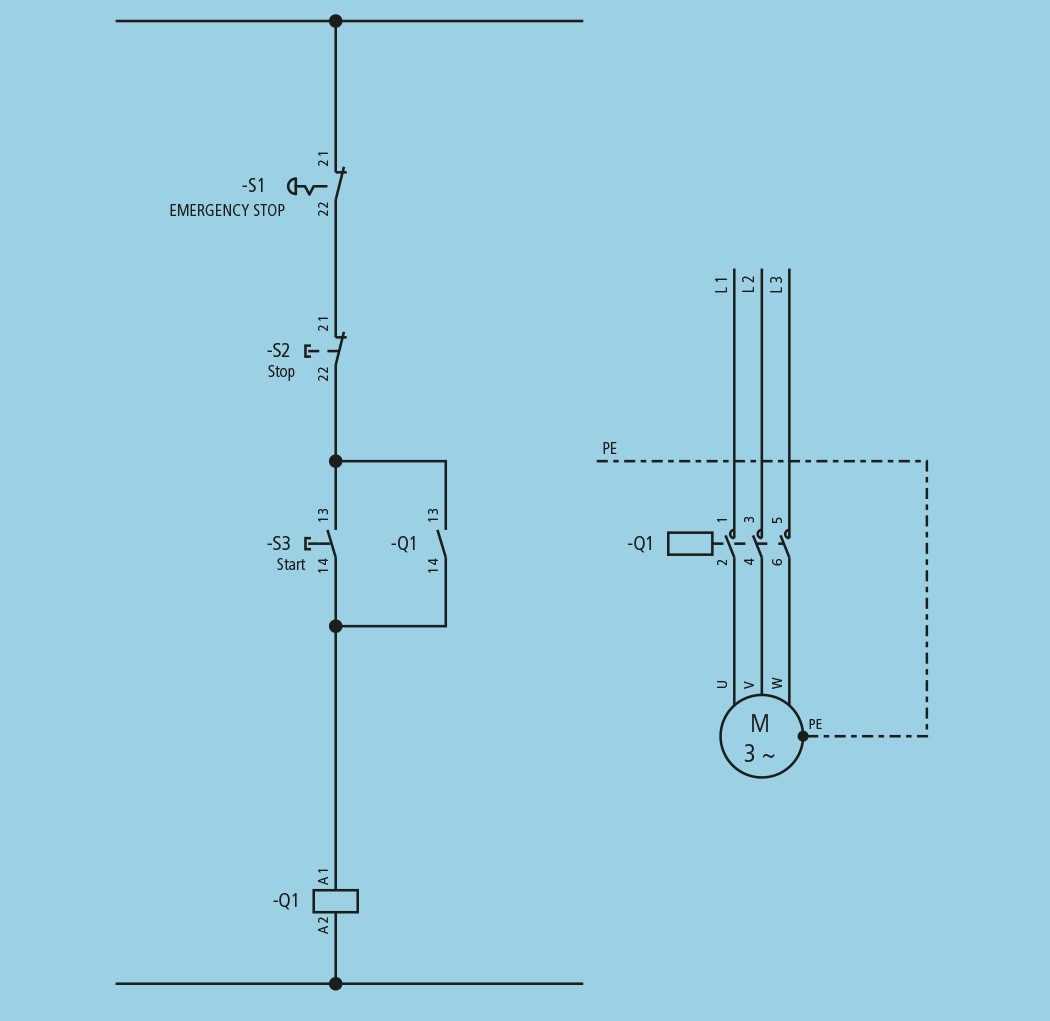
Ensure all safety relays and manual actuators are correctly positioned to cut power instantly during equipment faults. Use a dedicated line rated for the total load to prevent overheating or accidental activation.
Label every conductor with clear color codes and terminal identifiers to avoid misconnection. Red wires typically indicate the energized path, while blue or black can serve neutral or return functions, depending on your local standards.
Verify that the actuating switches are within immediate reach of operators. Mount push-buttons or toggle devices at eye level and away from obstructions to guarantee rapid response in emergencies.
Test each relay and load contact sequentially after installation. Simulate fault conditions to confirm that the entire load shuts down within milliseconds, and ensure all indicator lights reflect system status accurately.
Document every terminal connection and route with a clear map of linkages between actuators, relays, and power feeds. This practice reduces troubleshooting time and minimizes the risk of accidental energizing during maintenance.
Understanding Emergency Layouts and Connections
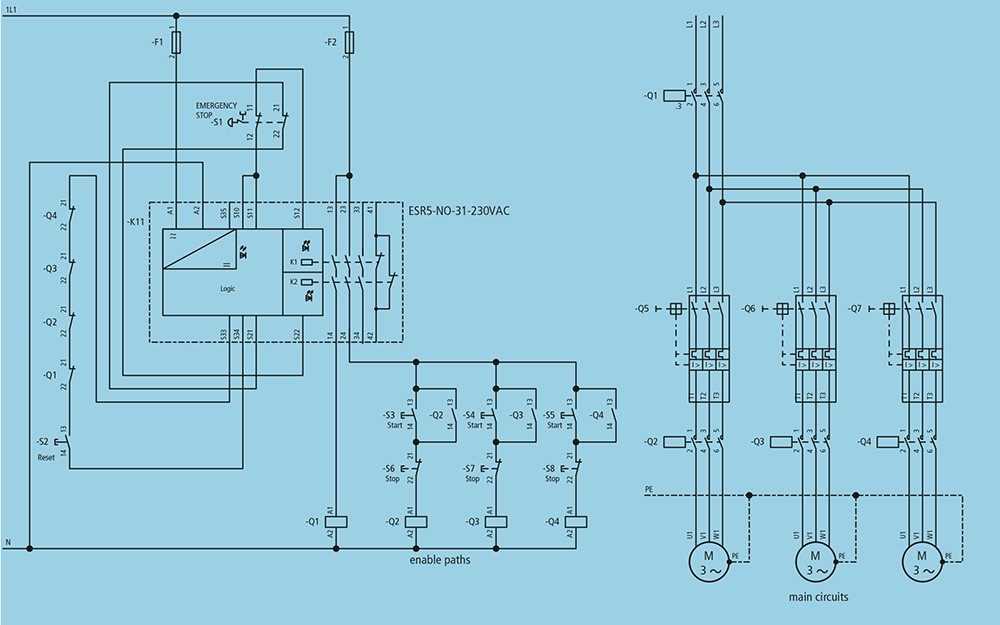
Place all manual disconnect devices within immediate reach of operators to guarantee instantaneous de-energizing. Ensure each actuator is mounted at a consistent height and clearly visible from critical work areas.
Identify all feed lines using standardized color codes. Typically, red indicates energized paths, blue or black serve neutral or return functions, and green/yellow marks protective grounding. Mark each terminal to avoid cross-connections.
Sequence the relays and auxiliary contacts logically to interrupt power in stages. Use normally closed contacts to break the main feed and normally open contacts for signaling or indicator lamps.
- Verify each connection with a continuity tester before energizing.
- Document terminal arrangements with a labeled schematic for maintenance reference.
- Ensure that all cables follow secure routes and are strain-relieved to prevent accidental disconnections.
Test emergency layouts under controlled conditions by simulating load interruptions. Observe the response time of actuators and verify that all indicators illuminate or deactivate appropriately to reflect system status.
Use redundant paths for critical loads where possible, splitting relays or using parallel conductors to maintain safety if one path fails. Check that relays reset correctly after activation and do not latch unintentionally.
Label all junctions and connectors clearly with alphanumeric tags corresponding to a master reference sheet. This practice reduces troubleshooting time and prevents energizing errors during inspection or component replacement.
Identifying Key Components and Safety Switches
Locate all main disconnect modules and verify their ratings against the maximum load amperage. Each switch should be marked with voltage and current specifications for accurate matching with connected devices.
Inspect actuators and push-button units for physical wear or misalignment. Ensure that plunger travel is within manufacturer tolerances and that each unit returns to its original position without binding.
Check indicator lamps and auxiliary contacts for continuity. Confirm that signaling devices activate simultaneously with the primary disconnect to provide visible confirmation of operational status.
- Label each connector using alphanumeric codes linked to a master reference sheet.
- Measure line voltage at each terminal to verify correct phase identification.
- Ensure grounding paths are continuous and free from corrosion.
Review relay sequences and interlocks to confirm that actuation of a safety switch interrupts energy supply to critical loads. Cross-check all normally open and normally closed contacts for proper function.
Document component positions and assembly order for future troubleshooting. Include notes on torque specifications for terminal screws and clearance requirements for mechanical actuators to prevent accidental engagement or shorting.