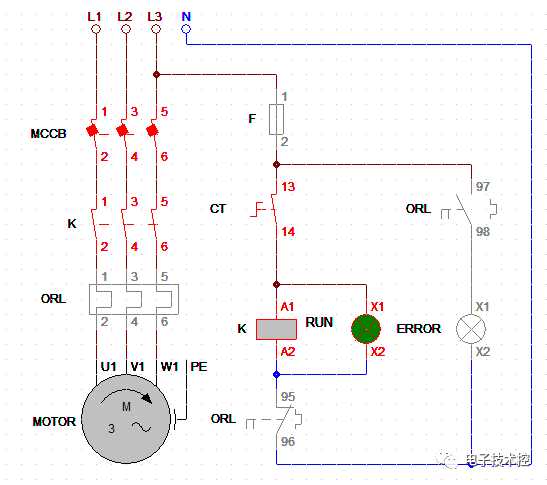
Use a stable voltage source rated slightly above the load requirements to prevent overheating. For a 12V brushed unit, ensure the supply can deliver at least 2A continuous current.
Include a protective diode across the drive terminals to suppress back EMF. This prevents voltage spikes that can damage transistors or controllers in the control path.
Connect the speed controller in series with the positive lead. A PWM-based controller allows smooth adjustment from zero to maximum rotation without stressing the components.
Test connections using a multimeter before energizing. Confirm polarity, continuity, and proper grounding to avoid short circuits or reverse rotation that could damage the mechanical assembly.
Motor Control Wiring Guide
Start by selecting the correct voltage source. For a 12V brushed device, choose a supply rated at 2–3A to handle startup surge without voltage drop.
Install a flyback diode across the terminals. This protects transistors or switching elements from voltage spikes caused by inductive kickback during sudden stop or reversal.
Use a PWM controller in series with the positive line to regulate speed. Adjust the duty cycle to smoothly control rotation from zero to maximum without stressing components.
Component Placement and Wiring
Keep power and control lines separated to reduce electromagnetic interference. Short, direct connections minimize resistance and ensure consistent operation.
- Connect ground lines firmly to a single point to avoid ground loops.
- Twist power and return leads to cancel electromagnetic noise over longer runs.
- Use heat-shrink tubing or insulated connectors to prevent accidental shorts.
- Secure all terminals to prevent vibration-induced loosening in moving assemblies.
Testing and Adjustment
Measure voltage and current at idle and under load. Verify the controller responds correctly to input adjustments and that the rotation direction matches expectations.
Test under various loads to ensure the drive maintains stable speed without overheating. Adjust trimming resistors or controller parameters as needed for smooth acceleration and deceleration.
Final check includes verifying mechanical connections, confirming polarity, and ensuring protective diodes and fuses are correctly installed to prevent damage during operation.
Selecting Components for Motor Operation
Choose a voltage source that matches the load requirements. For a 12V brushed device, select a supply capable of delivering 2–3A to handle startup current without dropping voltage.
Control Elements
Include a PWM speed controller to regulate rotation. Select one rated for at least 1.5 times the maximum expected current to prevent overheating and ensure smooth adjustments across the full range.
Protective Devices
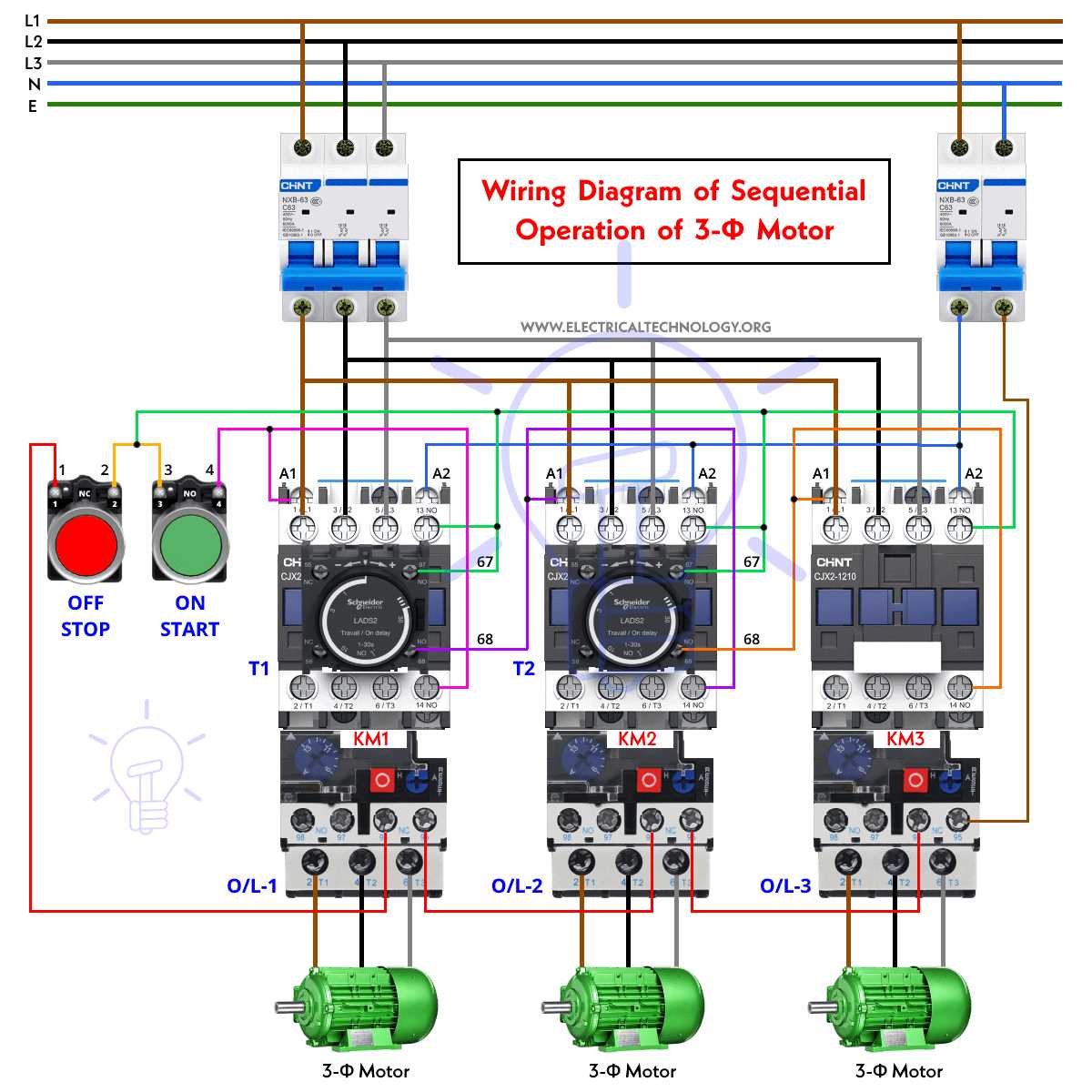
Install a flyback diode across the terminals to absorb inductive spikes. Add a fuse rated slightly above the operating current to safeguard the supply and wiring from short circuits or accidental overloads.