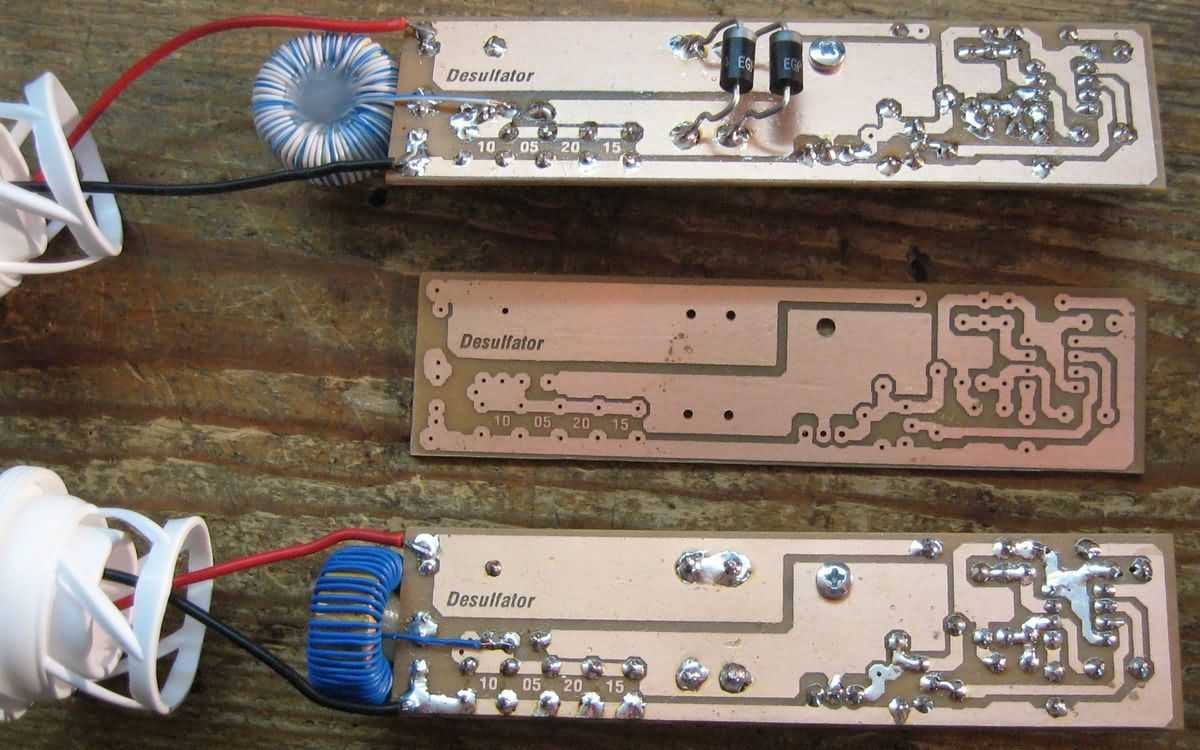
Apply high-frequency pulse treatment to restore capacity in aging lead-acid power cells. Short voltage spikes help break down lead sulfate crystals that accumulate on plate surfaces during long storage or partial charging cycles. A pulse generator built with a timer IC or switching transistor stage can deliver bursts around 1 kHz to 10 kHz while the cell remains connected to a normal charger.
A common design uses a 555 timer configured in astable mode. The timer drives a MOSFET that switches current through an inductor. Each switching cycle stores energy in the coil and releases a sharp spike back into the accumulator terminals. Typical component values include a 220 µH to 470 µH inductor, a fast recovery diode, and a low-Rds(on) MOSFET such as IRFZ44 or similar devices rated above 30–40 A peak current.
Pulse amplitude often reaches 30–60 volts for a fraction of a microsecond while average current remains low. These spikes disturb crystalline buildup without overheating the plates. A timing network using a 10 kΩ resistor and 0.1 µF capacitor typically produces several kilohertz switching frequency suitable for 12-volt lead accumulators.
Mount the pulse module close to the terminals of the lead storage unit and keep conductors short to reduce inductive loss. Use 14–16 AWG cables for current paths and place a 10–20 A fuse on the positive lead. Continuous operation for several hours or days may gradually improve voltage recovery and reduce internal resistance of aged lead-acid packs.
Battery Desulfator Circuit Diagram with Pulse Generator and Component Layout
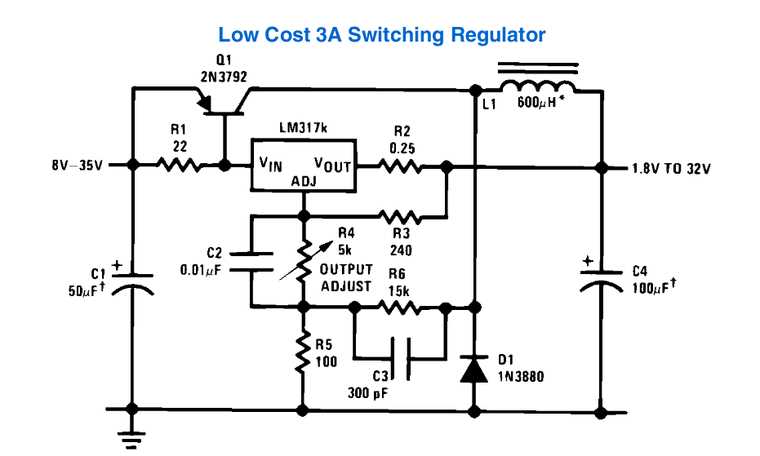
Connect the pulse module directly across the terminals of a 12 V lead-acid power cell while a standard charger maintains float voltage around 13.6–14.4 V. The pulse stage generates short high-voltage spikes that disturb crystalline buildup on the plates. Keep cable length under 20–30 cm so the spike energy is not lost in the leads.
Main Pulse Generator Components
The pulse stage usually uses a timer IC and a switching transistor that drives an inductor. Typical parts used in many builds include:
- NE555 timer configured in astable mode
- N-channel MOSFET such as IRFZ44N or similar
- 220–470 µH inductor rated for several amps
- Fast recovery diode for spike routing
- Timing resistor network around 10 kΩ
- Timing capacitor about 0.1 µF
Typical Electrical Parameters
Pulse frequency commonly falls between 1 kHz and 8 kHz. Each switching cycle stores energy in the coil and releases a brief spike that may exceed 40–60 V peak. Average current stays low, often below 200–500 mA, which prevents overheating of the plates while the restoration process runs for many hours or several days.
Pulse Desulfator Circuit Diagram Using 555 Timer with Inductor and MOSFET
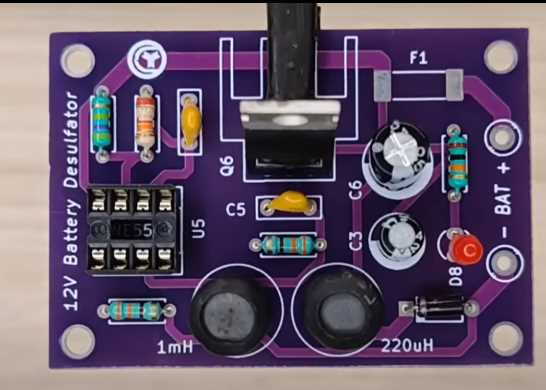
Use a NE555 timer configured in astable mode to generate switching pulses that drive a power MOSFET connected to an inductor. The timer output at pin 3 feeds the MOSFET gate through a small resistor around 100–220 Ω. When the transistor switches on, current flows through the coil and stores magnetic energy; when it switches off, the coil releases a sharp voltage spike back toward the terminals of the lead-acid cell. Typical component values include 10 kΩ and 1 kΩ resistors in the timing network with a 0.1 µF capacitor, producing pulse frequency near 3–6 kHz. The inductor usually ranges from 220 µH to 470 µH with current capability above 3–5 A.
Select a low Rds(on) MOSFET such as IRFZ44N, IRLZ44N, or similar rated for at least 40–60 V. Add a fast recovery diode and a small capacitor across the supply rails to control switching noise. Peak spikes generated by the coil may exceed 40 V for microseconds while average current stays below 500 mA, allowing long restoration sessions without heating the plates. Mount the coil and transistor on short traces or thick wires so pulse energy reaches the terminals with minimal loss.