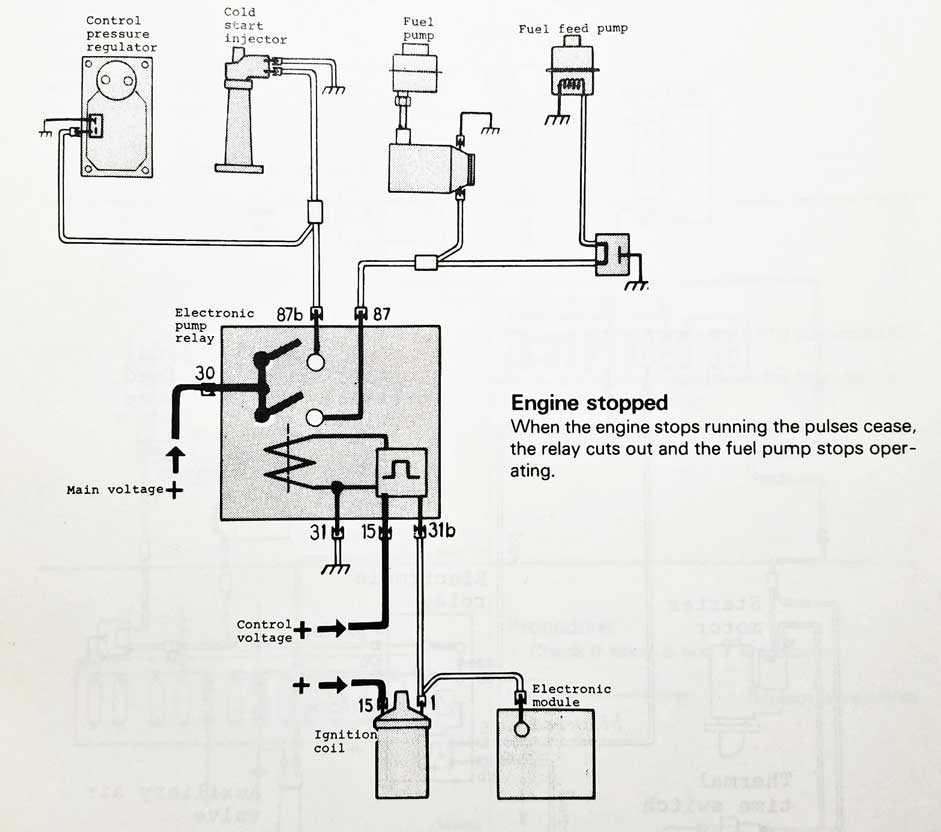
Start by ensuring the power supply is correctly connected to the main electrical panel. The incoming electricity must be compatible with the system’s requirements, so verify that the supply is within the specified range. Use a dedicated breaker to prevent overloads and ensure safety during operation.
Next, connect the motor and other electrical components following the manufacturer’s instructions. Pay special attention to the correct placement of each wire to avoid short circuits or incorrect voltage. Use heavy-duty, insulated cables to handle the power load effectively.
Lastly, connect the pressure switch and any other control devices that manage system operation. These elements ensure the water system works only when needed, maintaining efficiency and safety. After all connections are made, check each component thoroughly for proper functioning before powering on the system.
240 Volt Water System Wiring Guide
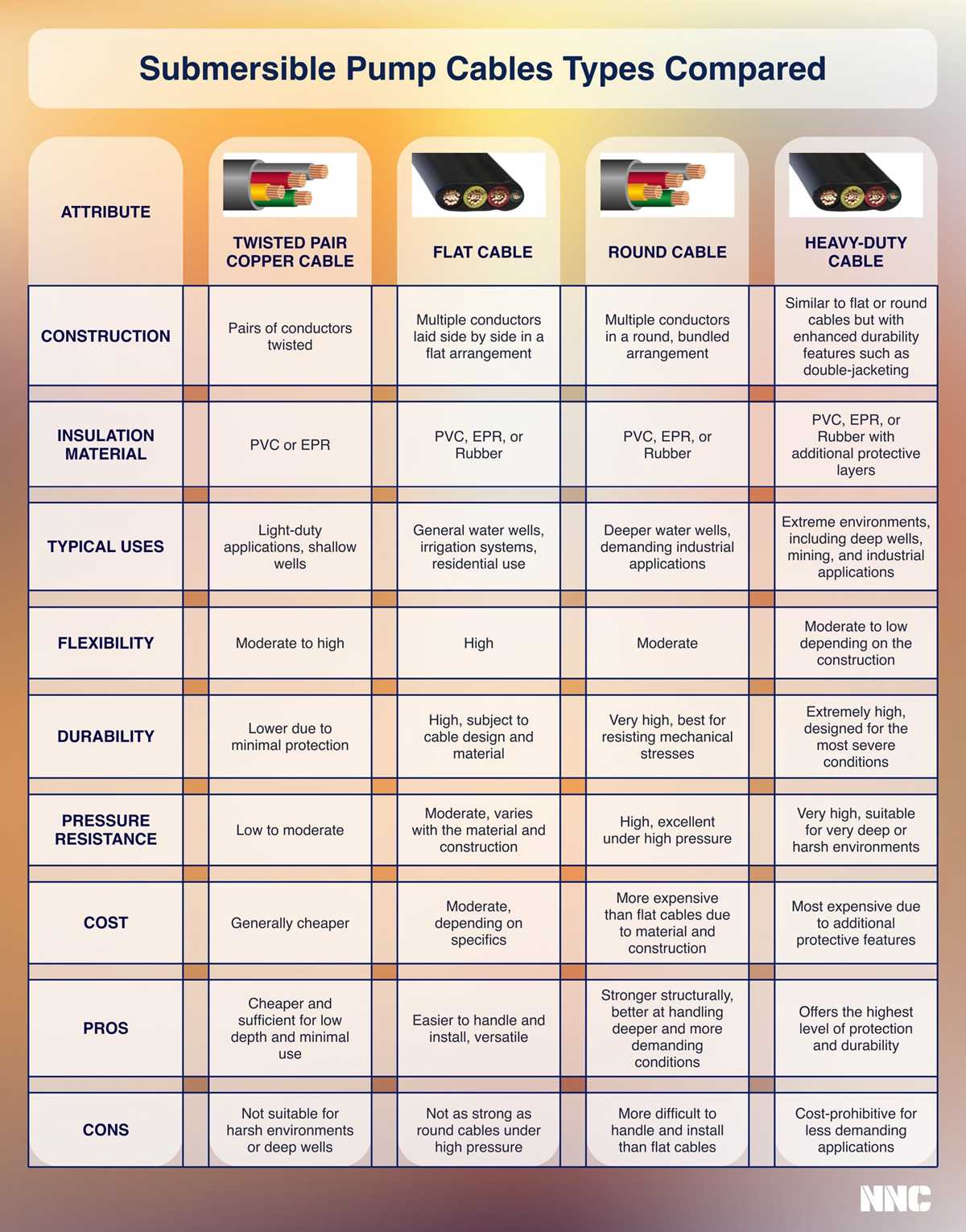
Begin by connecting the power line from the electrical panel to the main terminal block of the system. Ensure the voltage matches the required level and that you are using the proper breaker to handle the load. A dedicated circuit breaker is necessary for safety and to avoid tripping during heavy use.
The motor connections must be made according to the specifications provided by the manufacturer. Typically, the wires from the motor are connected to the relay or control switch. Be sure to double-check the color coding of the wires for accurate installation and avoid accidental cross-connections.
Pressure Switch Installation
Install the pressure switch to control the operation of the motor based on water pressure. This component ensures the system operates when the pressure falls below a set level and shuts off when it reaches the desired threshold. Wire the pressure switch carefully to the power source and the motor to manage the flow of electricity.
Once the pressure switch is connected, ensure the ground wire is securely attached to avoid electrical hazards. Grounding is vital for protecting against surges and preventing shock hazards. Use a dedicated ground wire and connect it to a proper grounding point.
Testing and Final Checks
After completing the connections, perform a full system check before turning on the power. Use a multimeter to test the electrical integrity of each connection, ensuring there are no short circuits or loose wires. Confirm the functionality of the motor, pressure switch, and grounding system to ensure everything is operating smoothly.
Finally, after confirming that all connections are correct and safe, power on the system and monitor its operation. Pay attention to any unusual sounds or malfunctions that could indicate improper wiring or connection issues. Regular checks and maintenance are crucial to keeping the system running efficiently and preventing future issues.
How to Connect a 240 Volt Power Supply to the Pump
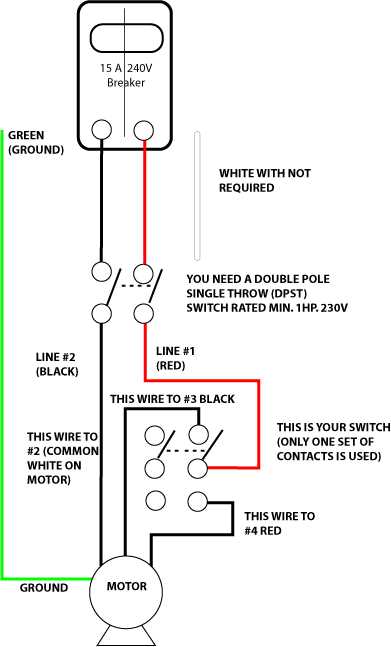
Start by turning off the main power supply at the breaker panel to avoid electrical shock. Make sure the electrical panel is rated for the correct voltage and current capacity needed for the system. Use a lockout/tagout device to ensure no one accidentally powers the system during installation.
Next, connect the two hot wires from the power supply to the motor’s input terminals. These are typically marked as L1 and L2. Ensure that the wires are securely fastened and that they are rated for the amperage required by the motor. A loose connection can lead to overheating or failure of the electrical components.
After connecting the hot wires, attach the ground wire from the electrical panel to the motor’s ground terminal. This is a critical step for safety, as grounding helps prevent electrical shock or fire hazards. Verify that the ground wire is properly secured to avoid any disconnections.
Once the main power lines and ground wire are connected, you should install a disconnect switch near the motor. This allows you to easily shut off power for maintenance or in case of an emergency. Ensure that the disconnect switch is rated for the appropriate voltage and current to handle the system’s load.
Finally, after completing all connections, test the system using a multimeter to ensure proper voltage is being supplied to the motor. Check for any signs of improper wiring, such as excessive heat or unusual noises. Only proceed with powering on the system once all connections are confirmed to be secure and correct.