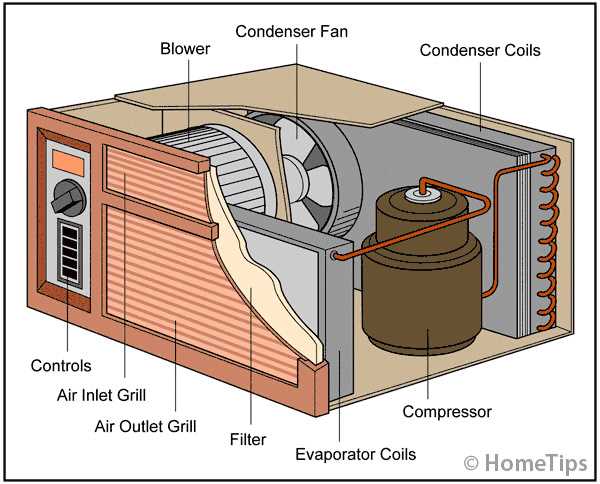
When assembling or maintaining an air-conditioning unit or refrigeration system, proper understanding of its cooling mechanism is vital. The components involved work together to regulate temperature and maintain optimal performance. Identifying how each element interacts can help troubleshoot inefficiencies and ensure longevity of the system. The core function of a heat exchange unit depends on various interconnected parts, each playing a specific role in temperature management.
The role of the coil is to release the absorbed heat into the atmosphere. The tubing and valves serve to regulate the flow of the refrigerant, ensuring a constant exchange of thermal energy. The expansion device controls the refrigerant’s pressure, transforming the substance into a state conducive to heat absorption. Each element must be properly calibrated to function in harmony, minimizing wear and maximizing cooling efficiency.
Correct installation and regular inspection of these components can prevent many common issues. A malfunctioning valve or obstructed coil can hinder the system’s overall ability to function, leading to increased energy consumption or complete system failure. Understanding the layout and function of each component helps to anticipate potential breakdowns and plan maintenance accordingly.
Key Elements of a Cooling System Structure
The heat exchanger’s core framework consists of several key components. The main feature is the heat transfer surface, typically made of metal fins or tubes, designed for maximum contact with the working fluid. These surfaces are arranged for optimal heat dissipation. The tubes, generally made of copper or aluminum, allow the passage of coolant, facilitating heat transfer between the fluid and surrounding air.
The housing serves as the outer shell, providing structural integrity and directing airflow. Within the enclosure, a fan or blower system circulates air, helping to speed up the heat rejection process. A protective grid or cover often safeguards the delicate parts from debris and external damage.
The inlet and outlet nozzles control the flow of fluids into and out of the device. These connectors are designed to withstand high pressure and ensure a secure seal. Sensors within the system monitor temperature and pressure levels, providing feedback for adjustments to maintain optimal performance.
<.an>
Each component is interdependent, and its proper installation and operation are necessary for the overall function of the system. Effective maintenance involves regularly inspecting these parts to prevent blockages or corrosion, which could hinder the system’s capacity to expel heat efficiently.
Understanding the Main Components of a Condenser
The core structure of a cooling unit comprises several interconnected elements designed to optimize heat transfer. A key component is the heat exchange surface, typically a coil or series of pipes, which facilitates the removal of thermal energy from the system. This is where the fluid, often a refrigerant, undergoes cooling and condenses into a liquid state.
The fan is another critical element, responsible for promoting airflow across the heat exchange surface. By expelling warm air, it accelerates the process of heat dissipation. A well-designed fan ensures that the system operates efficiently, reducing the workload on other components.
The expansion valve or metering device controls the flow of refrigerant into the heat exchanger. This ensures that the refrigerant enters at the correct pressure and temperature, contributing to the overall efficiency of the cooling process.
The casing or housing encloses the system, providing protection and structural integrity. It also helps direct airflow and reduces the exposure of internal components to external elements, enhancing durability.
At the bottom, a drainage system ensures the removal of any accumulated moisture or condensate, preventing blockages and ensuring smooth operation over time.
Understanding the function and interaction of these components helps optimize performance and troubleshooting when issues arise. Proper maintenance and periodic checks are key to prolonging the lifespan of the unit and maintaining its efficiency.
How to Identify and Troubleshoot Faulty Heat Exchange Components
Check for inconsistent cooling performance. If temperatures fluctuate or heat dissipation is inefficient, inspect airflow. Blocked or dirty heat exchangers are a common issue. Clear debris and ensure no obstruction is limiting airflow. Confirm the fan is functioning properly; a malfunctioning fan can lead to overheating.
Next, verify fluid levels. Insufficient or contaminated coolant can impair performance. Replace any fluid that appears discolored or has a noticeable odor. If there’s leakage, locate the source and repair it immediately, as even a small leak can cause a significant drop in efficiency.
Examine temperature sensors. Faulty sensors can misread conditions, leading to improper regulation. Use a multimeter to check the sensor’s resistance and compare it with the manufacturer’s specifications. Replace any sensor that doesn’t meet the required values.
Look for signs of corrosion or wear, particularly on metal surfaces. Corrosion can impede heat transfer. If necessary, clean or replace any corroded components. Additionally, ensure all seals are intact to prevent fluid loss and maintain optimal heat transfer.
For electric-powered models, test the electrical connections. Loose or damaged wiring can cause intermittent failures. Tighten connections and replace any frayed or damaged wires. Verify that the power supply is stable and meets the system’s requirements.