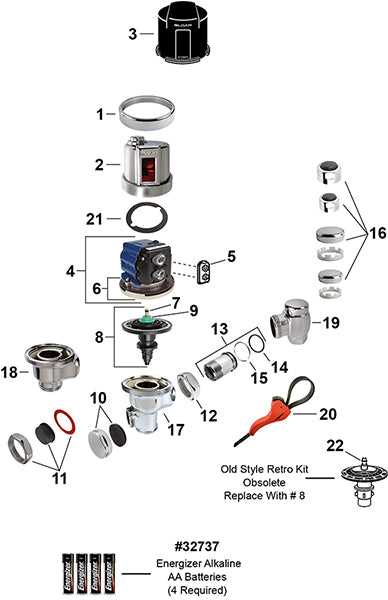
If you encounter issues with your toilet’s flushing mechanism, a quick look at its internal components can reveal the problem. Start by checking the key components, such as the flushing valve, fill valve, and pressure chamber. These parts are often the culprits behind weak flushing or water leakage. Knowing their functions will allow you to quickly identify which one might need repair or replacement.
When it comes to fixing issues, first ensure the water supply is turned off to avoid leaks or flooding. Start by removing the tank lid to access the internal components. If you’re dealing with a faulty fill valve, replacing it might resolve the issue. Similarly, a worn-out flushing valve can cause poor flushing performance, which can be easily replaced with a new part.
Once you’ve identified the defective part, it’s a good idea to consult the reference chart to find the right replacement. If you’re not sure about the exact replacement, check the manufacturer’s part number to avoid buying an incorrect component. Following these steps can prevent unnecessary damage and extend the lifespan of your system.
Identifying Key Components for Maintenance and Repairs
To ensure your system operates smoothly, it’s important to understand the key components inside the tank. The flushing mechanism, water pressure chamber, and fill valve are the most common parts that may require attention. The flushing valve controls the release of water, while the fill valve regulates water input after each flush. The pressure chamber stores water that is used to assist in the flushing process.
Regular inspections of these components can help identify issues early. If the flush is weak or inconsistent, start by checking the flushing valve for any blockages or wear. If the tank is not filling properly, the fill valve is likely the issue. Replacing these components is straightforward with the right replacement parts and tools.
Use a reference guide to match the right parts with the model number for accurate replacements. Be sure to disconnect the water supply and empty the tank before performing any maintenance. Always check for leaks after reassembling to ensure a tight seal. Proper maintenance will extend the life of the system and prevent frequent repairs.
Identifying Common Components and Their Functions
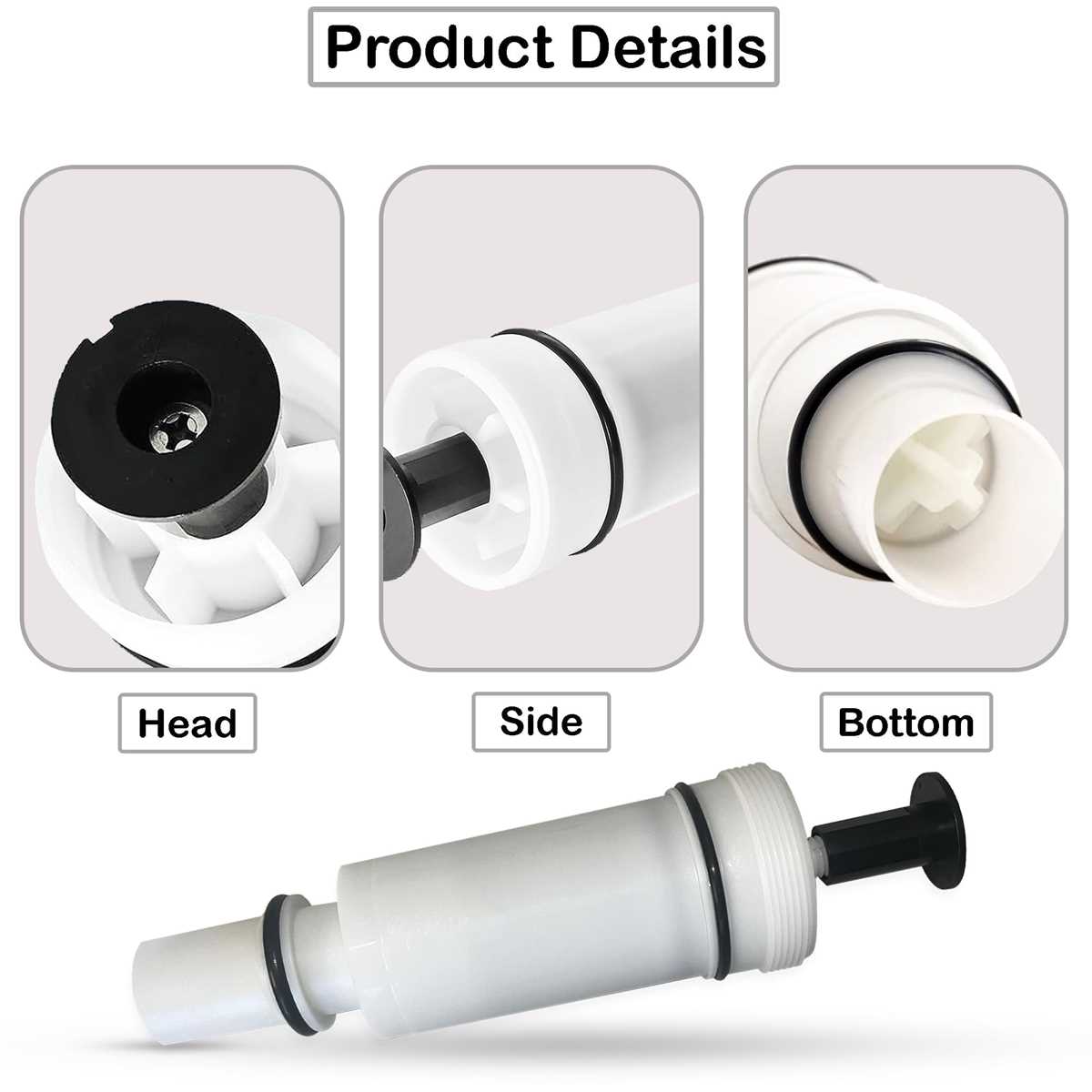
The primary components that often require attention include the flushing mechanism, fill valve, pressure chamber, and handle. The flushing mechanism is responsible for releasing water at the correct pressure, ensuring a strong and consistent flush. It operates by using a pressure-assisted system, which amplifies the force of the flush.
The fill valve controls the amount of water entering the system after each flush. If the tank is not filling properly or takes too long, this valve may be clogged or malfunctioning. Replacing it is a quick fix to restore proper functioning.
The pressure chamber plays a crucial role in storing water under pressure, which is then used to assist the flushing process. If there’s a loss of pressure, it’s important to inspect the chamber for damage or leaks that might cause inadequate flushing power.
Finally, the handle mechanism is the user interface for activating the system. If the handle is loose or unresponsive, the activation process won’t work properly. Checking the connections and replacing worn components will restore functionality to this critical part of the system.
Step-by-Step Instructions for Replacing Common Components
1. Begin by turning off the water supply to avoid any leaks or spills during the replacement process. This can usually be done by shutting the valve located near the base of the fixture.
2. Remove the lid of the tank and carefully inspect the components that need to be replaced, such as the fill valve, pressure chamber, or flush mechanism.
3. To replace the fill valve, disconnect the water line and unscrew the valve from its mounting. Install the new valve by aligning it with the mounting hole and securing it tightly. Reattach the water line and test for leaks.
4. If replacing the pressure chamber, disconnect any connected hoses and unscrew the chamber from its mounting bracket. Remove the old chamber, and install the new one by securing it into place and reconnecting the hoses. Check for any signs of pressure loss after installation.
5. For a handle replacement, loosen the screws holding the handle in place. Remove the old handle and attach the new one, ensuring it’s aligned properly. Tighten the screws and check the handle’s functionality by activating the system.
6. Once all components are replaced, turn the water supply back on and flush the system to ensure everything is working as expected. Look for leaks or any unusual sounds, indicating a need for further adjustments.