
If you’re looking to fix or install a new GE model, start by verifying the correct power supply connections. For a safe setup, check the voltage rating of your machine and ensure that it matches the circuit requirements. Most models require a 120V connection, but always confirm with the appliance’s manual to avoid damage.
Once you’ve ensured the power source is correct, focus on the grounding. A dishwasher needs proper grounding to prevent electrical shocks and malfunctions. Ensure that the ground wire is securely attached to the metal frame of the unit, following the manufacturer’s instructions closely. Using an incorrect grounding method can lead to system failures and safety hazards.
For more advanced installations, pay attention to the connections within the unit itself. The neutral and hot wires must be correctly linked to the corresponding terminals on the appliance. A mistake here can prevent the unit from operating properly or cause circuit breakers to trip. Double-check each wire connection with a voltage tester before finalizing the setup.
GE Dishwasher Electrical Setup Guide
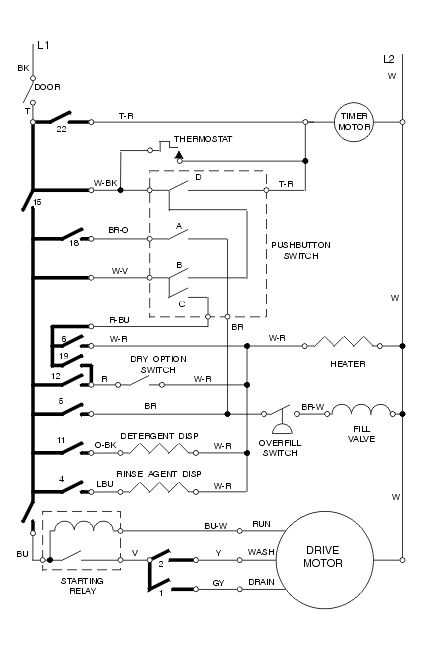
When installing a GE model, make sure the appliance is connected to a dedicated 120V power circuit. This ensures that the unit functions properly and avoids overloading your home’s electrical system. Always verify that the circuit breaker is rated for the correct amperage, typically 15 or 20 amps, based on the specific model you are working with.
Power Connections and Safety
The power supply to your appliance must be securely fastened using the proper connectors. A loose connection could result in a short circuit or even fire. Pay close attention to the grounding system: the green grounding wire should be tightly fastened to the metal frame. This is a critical safety feature that prevents electrical shocks during operation.
Before connecting the hot and neutral wires to their terminals, double-check that you have identified them correctly. The neutral wire usually attaches to the silver terminal, while the hot wire should be connected to the brass-colored terminal. Miswiring these components can lead to failure or even damage to the appliance’s internal electronics.
Troubleshooting Common Electrical Issues
If the unit fails to turn on after installation, it’s worth checking the voltage at the power source. Use a multimeter to confirm that 120V is present at the outlet. If the reading is too low, the issue could lie in the circuit or the power supply line. For persistent issues, it may be necessary to replace a fuse or check for damage along the electrical path.
In some cases, a tripped circuit breaker may be the reason the appliance isn’t receiving power. If this occurs, reset the breaker and test the unit again. Always make sure that the unit is unplugged while working on the electrical components to avoid any risk of electric shock or further damage to the system.
Understanding the Electrical Components in a GE Dishwasher
The most critical components of a GE unit’s electrical system include the power supply, control board, and motor connections. Start by ensuring that the power is connected to the appropriate terminals. The live wire (hot) connects to the brass terminal, while the neutral wire attaches to the silver terminal. These should be tightly secured to prevent electrical faults.
Next, examine the control board. This is where the electrical signals are processed and directed to various parts of the machine, such as the water pump and heating element. Make sure that the board is properly seated in its compartment, and the connectors are free of corrosion. A malfunctioning control board can cause irregular behavior or failure to run properly.
- Power supply connections (hot and neutral wires)
- Control board and electronic connections
- Grounding system and motor terminals
Finally, inspect the motor connections. The motor is the heart of the operation, as it powers the washing cycle. Ensure the terminals for the motor are tightly secured to avoid any loose connections, which could lead to operational failure. Also, check the grounding of the motor, as it plays a crucial role in safety.