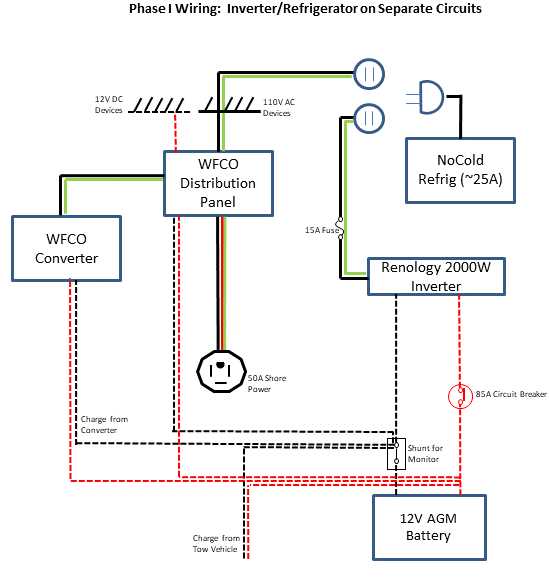
Always label each terminal before making connections to prevent misplacement and accidental short circuits. Use a multimeter to verify voltage levels at input and output points, ensuring compatibility with the connected equipment.
Follow manufacturer color codes and polarity markings carefully. Red and black lines typically indicate positive and negative leads, while green or yellow-green wires are used for grounding. Misinterpretation can lead to equipment damage or safety hazards.
Document each step of the setup on a paper or digital note. Record fuse ratings, breaker positions, and cable sizes. Clear records help in troubleshooting issues and performing future modifications without guesswork.
Test the system incrementally by connecting one section at a time and checking for proper voltage and current flow. Avoid powering multiple circuits simultaneously during the initial setup to isolate faults quickly.
Use protective gear and insulated tools during installation. Even low-voltage layouts can produce dangerous arcs if connections are loose or wires are crossed. Consistent safety checks reduce the risk of electric shock or fire.
Complete Guide to Reading and Understanding Inverter Wiring Diagrams
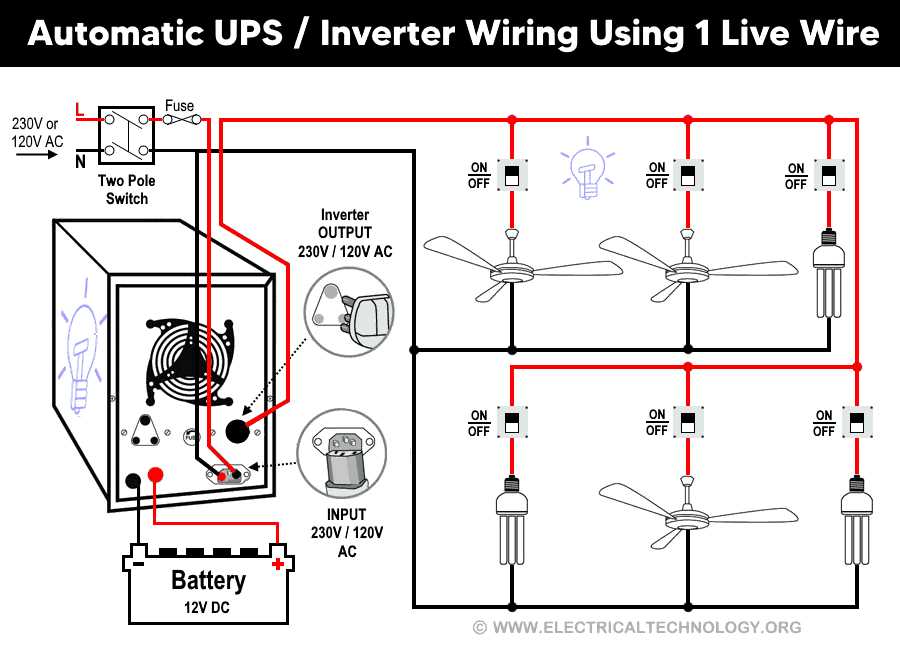
Always check terminal labels before connecting any power source to avoid reversed polarity. Use a digital multimeter to confirm that input and output voltages match the device specifications, especially for models handling both AC and DC currents.
Identify the main bus lines and branch circuits first. Thick cables usually carry higher currents and should be inspected for proper insulation and secure attachment. Loosely connected busbars can cause overheating and signal interference in sensitive electronics.
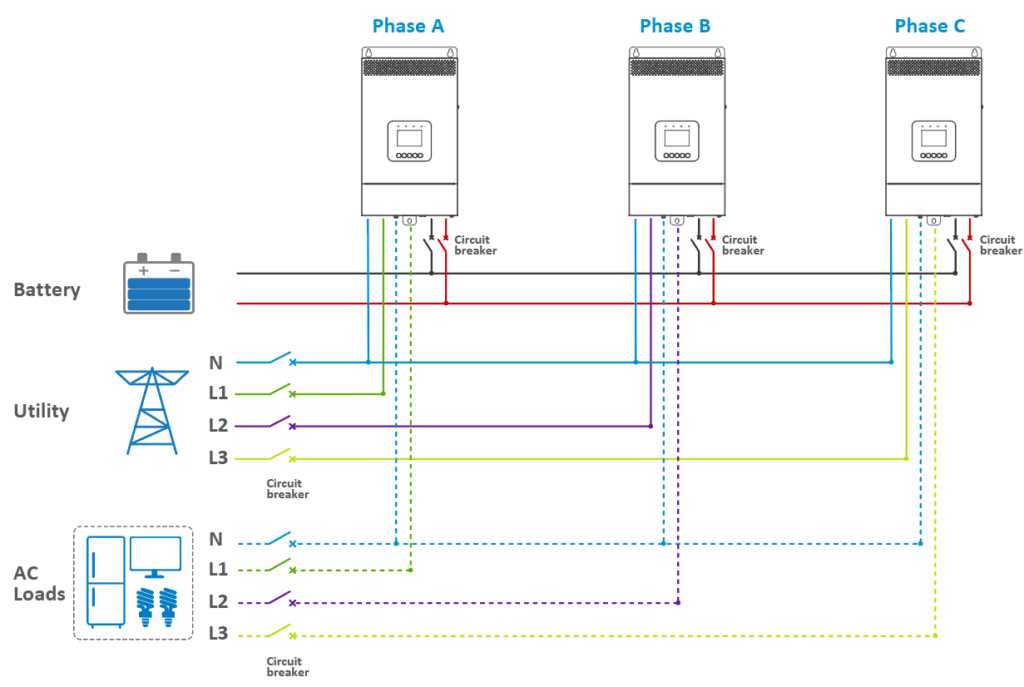
Record each connection point with a numbered or color-coded reference system. Mark fuses, breakers, and grounding points clearly to simplify troubleshooting later. Keep a sketch near the installation area for quick verification during maintenance checks.
Step by Step Connection Verification
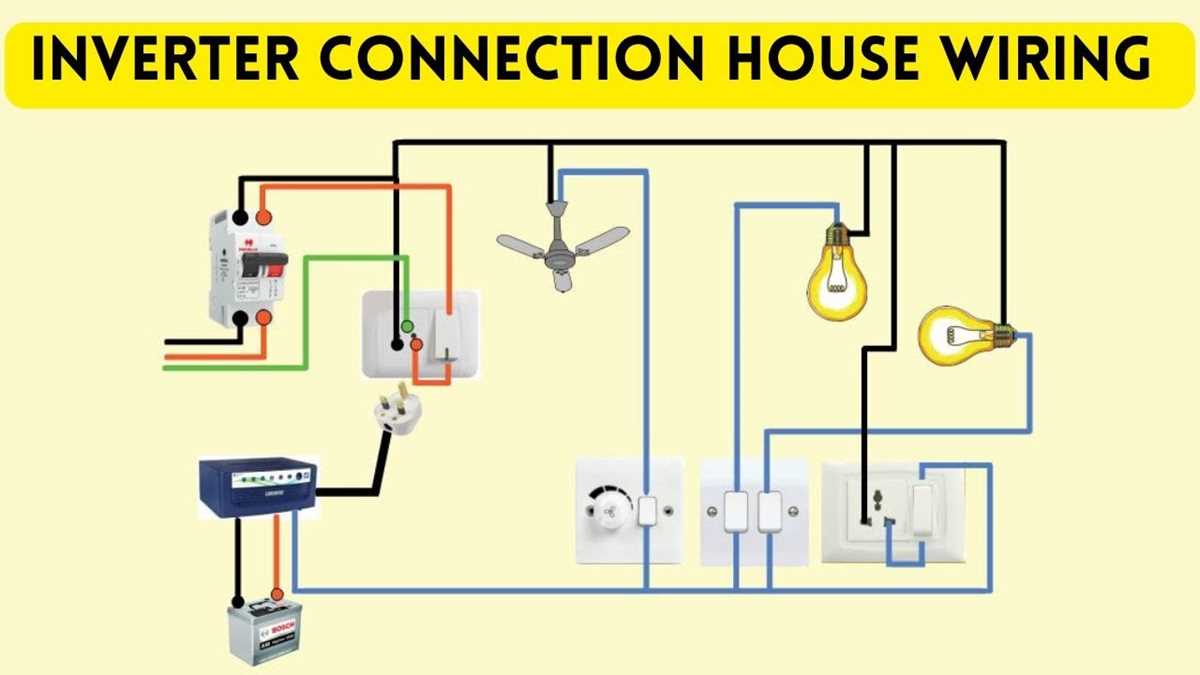
Test each segment individually by supplying minimal power and measuring the current flow through each branch. Check that protective devices trip at the correct thresholds and confirm that loads receive stable voltage without fluctuation.
Inspect junctions for corrosion or loose screws after initial power-up. Regular monitoring of contact resistance helps detect potential failures before they escalate. Replace worn terminals and tighten connections to maintain consistent performance and safety compliance.
Identifying Terminals and Connection Points on Inverters
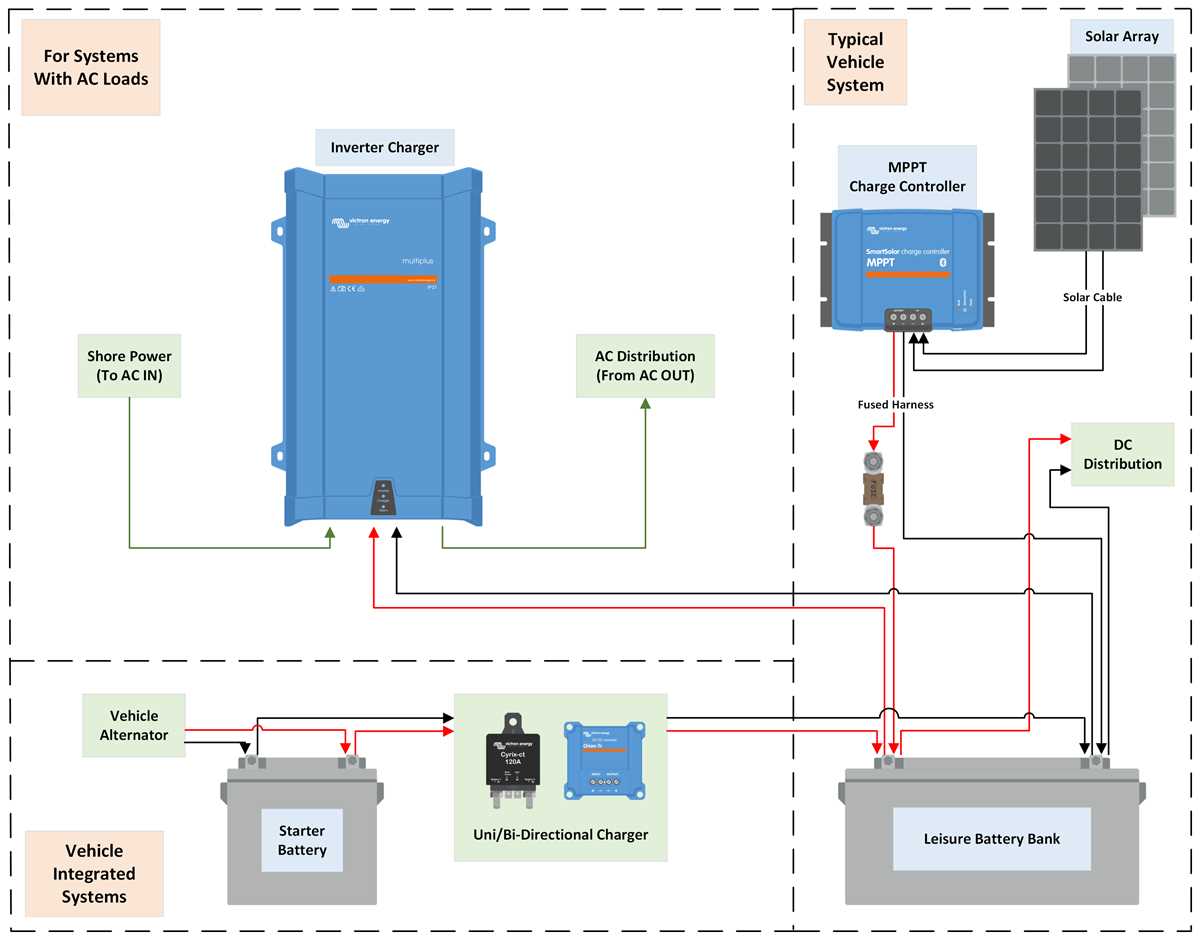
Label all input and output points before attaching any conductors. Use the manufacturer’s markings to distinguish positive, negative, and grounding points to prevent reverse polarity and short circuits.
Inspect each terminal type carefully. Screw terminals, push-in connectors, and busbars require different torque settings. Loose connections increase resistance, causing heat buildup and potential failure of connected devices.
- Check voltage rating on each terminal to match connected equipment.
- Verify polarity markings and color codes to avoid cross-connections.
- Confirm that grounding points are properly bonded to chassis or earth reference.
Use a continuity tester to ensure proper contact across all connection points. Mark faulty or corroded terminals for replacement. Regular inspection prevents intermittent faults that are difficult to trace once the system is powered.
- Separate high-current and low-current paths to reduce electromagnetic interference.
- Document terminal numbers or labels for future maintenance.
- Apply anti-oxidation compound on exposed metal contacts to prolong reliability.