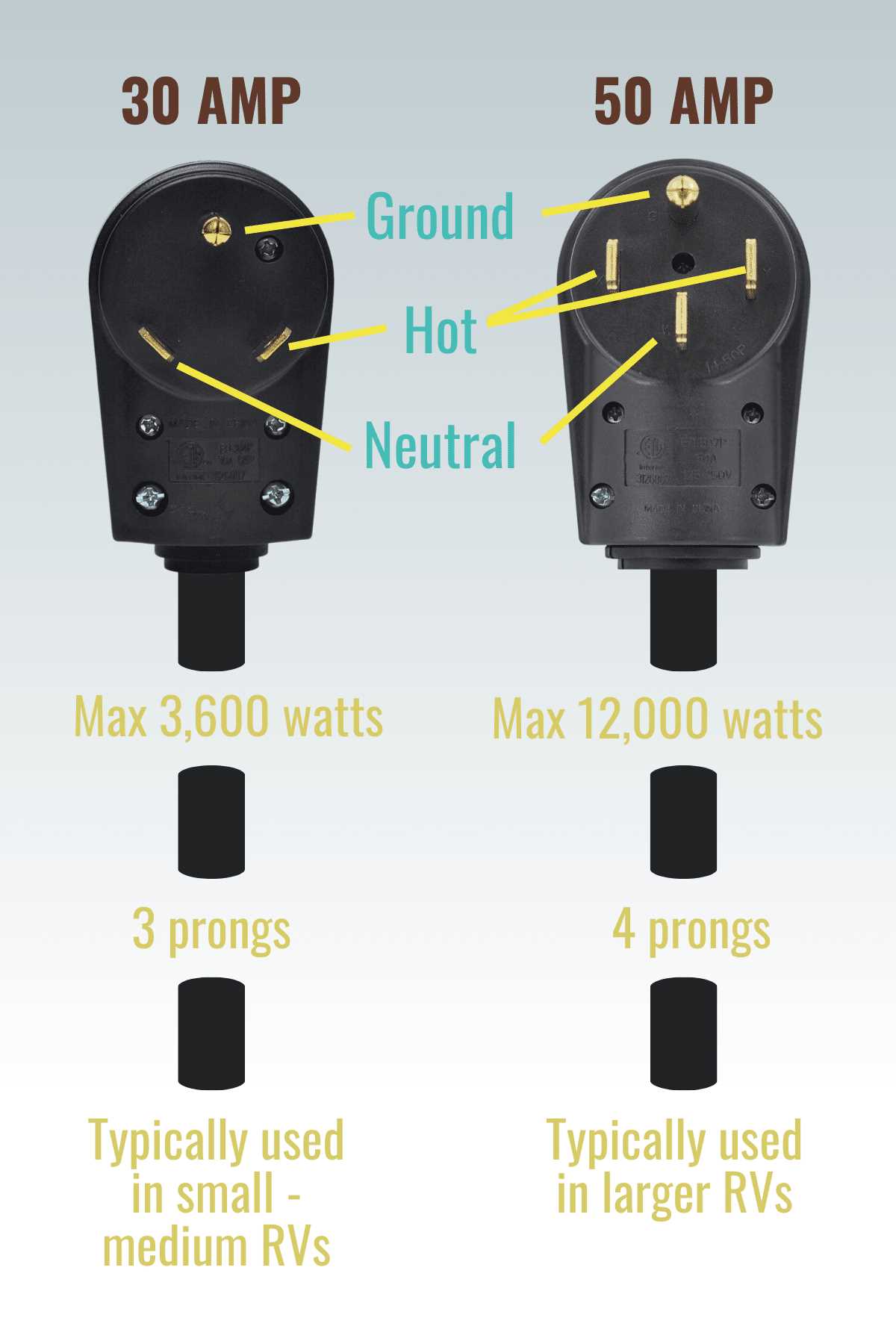
Before starting the installation, ensure that all components are rated for the correct voltage and current. For a 30 amp setup, you will need a properly rated breaker, a dedicated 10/3 wire, and an RV-style connector. Choosing the right materials prevents overheating or damage to the electrical system.
Begin by positioning the new electrical connection near your RV’s power entry point. Run the wire from the main power panel, following local electrical codes, and ensure that all connections are tight and secure. Make sure to ground the system correctly to prevent any electrical faults.
Double-check the alignment of the terminals when connecting the wires. The 120V and neutral connections must be properly oriented, as an incorrect configuration can cause short circuits or other hazards. Always use a voltage tester to verify correct power flow before finalizing the setup.
30 Amp RV Wiring Guide
Start by selecting the correct materials: use a 10/3 gauge wire for 30 amp systems and ensure that both the breaker and connectors are rated for 30 amps. Properly rated components help to prevent overheating and electrical hazards, ensuring safety and reliability.
When running the power supply from the breaker panel, follow the path of least resistance while avoiding sharp bends in the cable. Always use secure connectors to prevent exposed wire and reduce the chance of short circuits. The neutral and hot wires should be tightly connected to the proper terminals on the connector.
Once the wire is routed, ground the system to a solid grounding point. A proper ground connection is vital to prevent electrical surges and potential damage to connected devices. Make sure that all ground wires are connected firmly and insulated where necessary to avoid any risk of shock.
Before finalizing the installation, double-check all connections with a multimeter to ensure everything is wired correctly. After confirming proper voltage and ground, secure the panel cover and connectors. Test the setup by powering on the system and verifying proper function of the connection using a power tester.
Step-by-Step Instructions for Wiring a 30 Amp RV Outlet
Begin by turning off the power at the main electrical panel to ensure safety before starting any work. Verify that the power is off using a voltage tester to avoid electrical shock or damage to the system.
Step 1: Prepare the Location and Materials
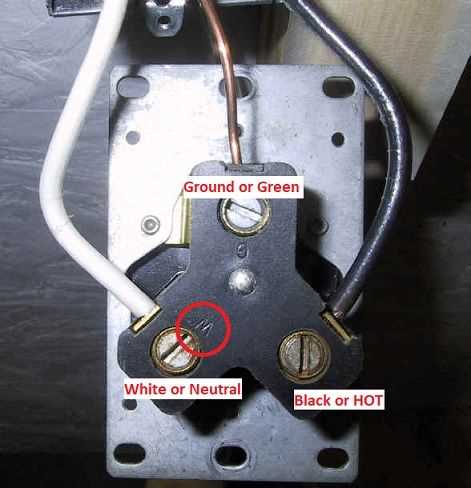
Select a suitable location for the new power point. The spot should be easily accessible, allowing for proper ventilation and no obstruction from other appliances or structures. Gather the necessary tools: 10/3 wire, a 30 amp breaker, RV connector, screws, a screwdriver, wire cutters, and a voltage tester.
Step 2: Install the Breaker and Connect the Wires
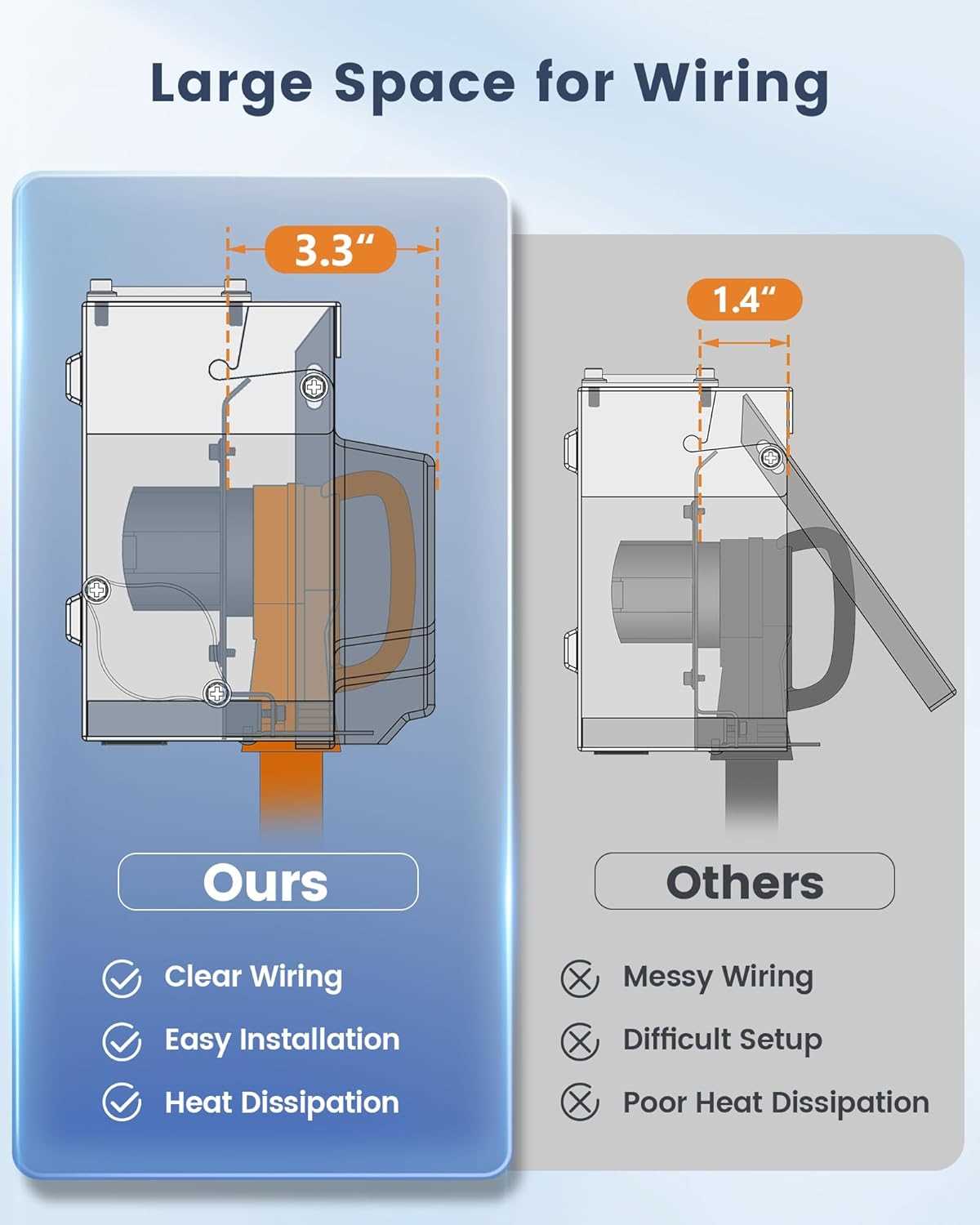
Install the new 30 amp breaker into the main electrical panel. Then, strip the ends of the 10/3 wire and connect the black wire to the hot terminal of the breaker, the white wire to the neutral bar, and the green or bare wire to the ground bus. Ensure each connection is tight and secure.
Route the wire to the chosen location and connect the RV plug, ensuring that the corresponding terminals (hot, neutral, and ground) match the wire colors. Tighten the screws on the plug and secure the wire properly to prevent loose connections. Make sure the installation follows safety codes for proper grounding and wire gauge specifications.
Once all connections are made, use a voltage tester to confirm proper operation. Turn on the main power and test the new connection using a power tester to verify everything is functioning as expected.