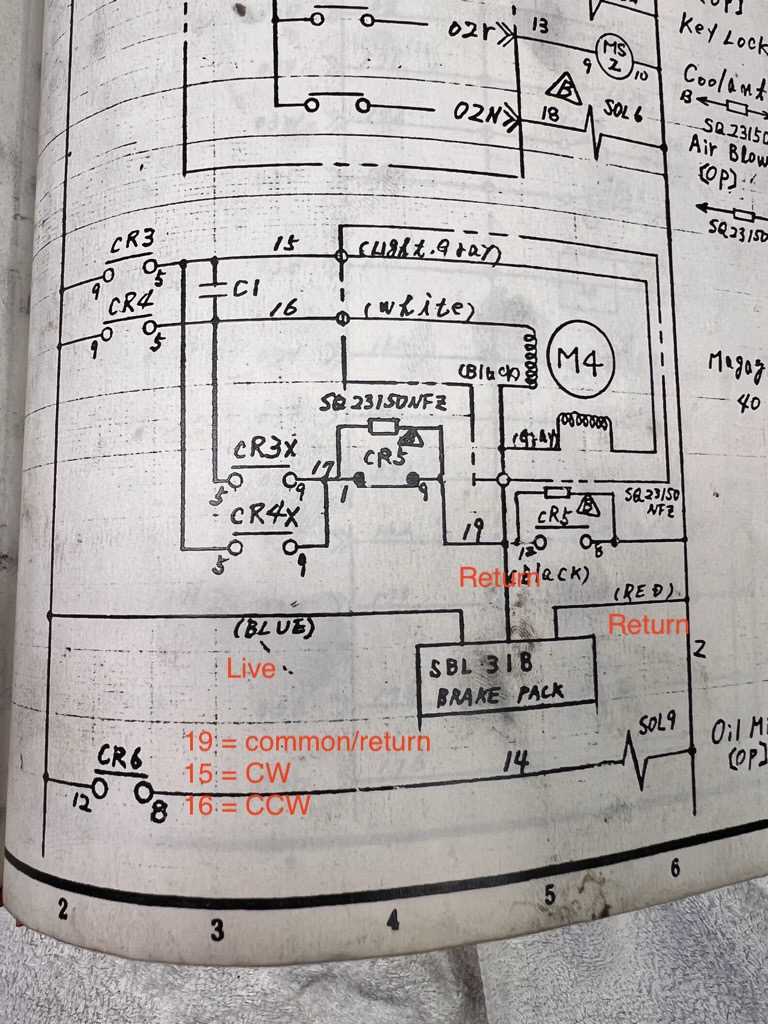
Disconnect the main power before connecting any components. Use a multimeter to confirm zero voltage at motor terminals to prevent shorts or shocks.
Select a resistor that matches the motor voltage and current rating. Too low resistance can cause overheating, while too high can reduce stopping effectiveness.
Connect the DC supply directly across the motor windings through the selected resistor. Ensure secure terminals and avoid loose connections that can trigger sparks or damage.
Route all conductors away from heat sources, sharp edges, or moving parts. Use insulating sleeves and secure clamps to prevent mechanical stress on wires.
Test the system by running the motor at normal speed and applying the resistor. Observe stopping time, temperature rise in the resistor, and ensure consistent operation before full deployment.
Install inline fuses for safety on high-current paths. Verify all locking clips and terminals are fully engaged to maintain safe and reliable operation during repeated stops.
DC Motor Stop and Energy Dissipation Guide
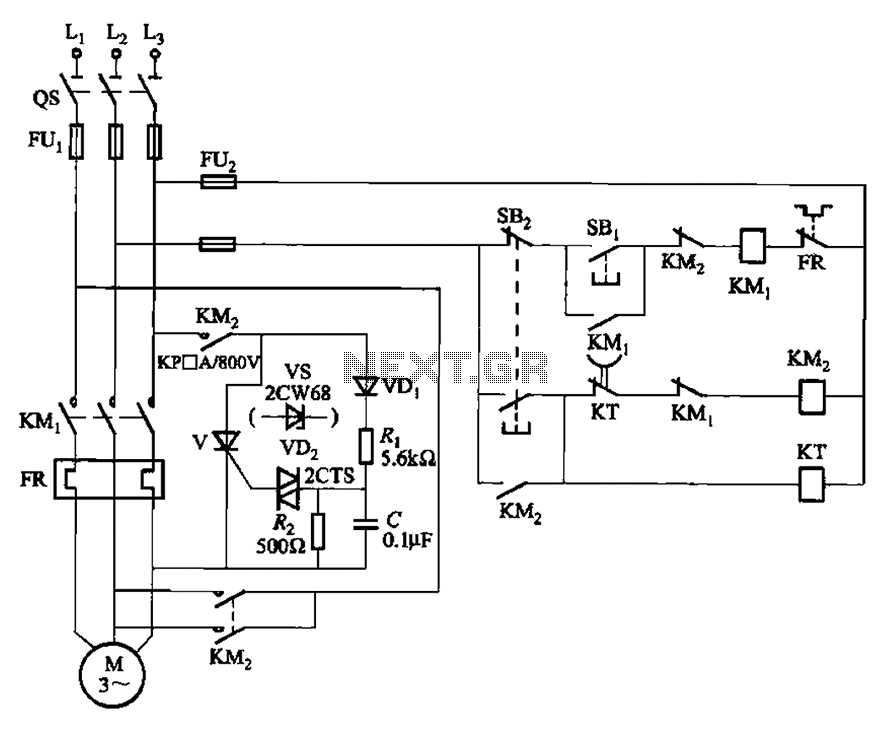
Disconnect the main power supply before starting any connections. Verify zero voltage at motor terminals using a multimeter to prevent shorts or electric shock.
Select a resistor with a rating that matches the motor voltage and current. Too low resistance can cause overheating, while too high resistance may lengthen the stopping time beyond desired limits.
Component Connections
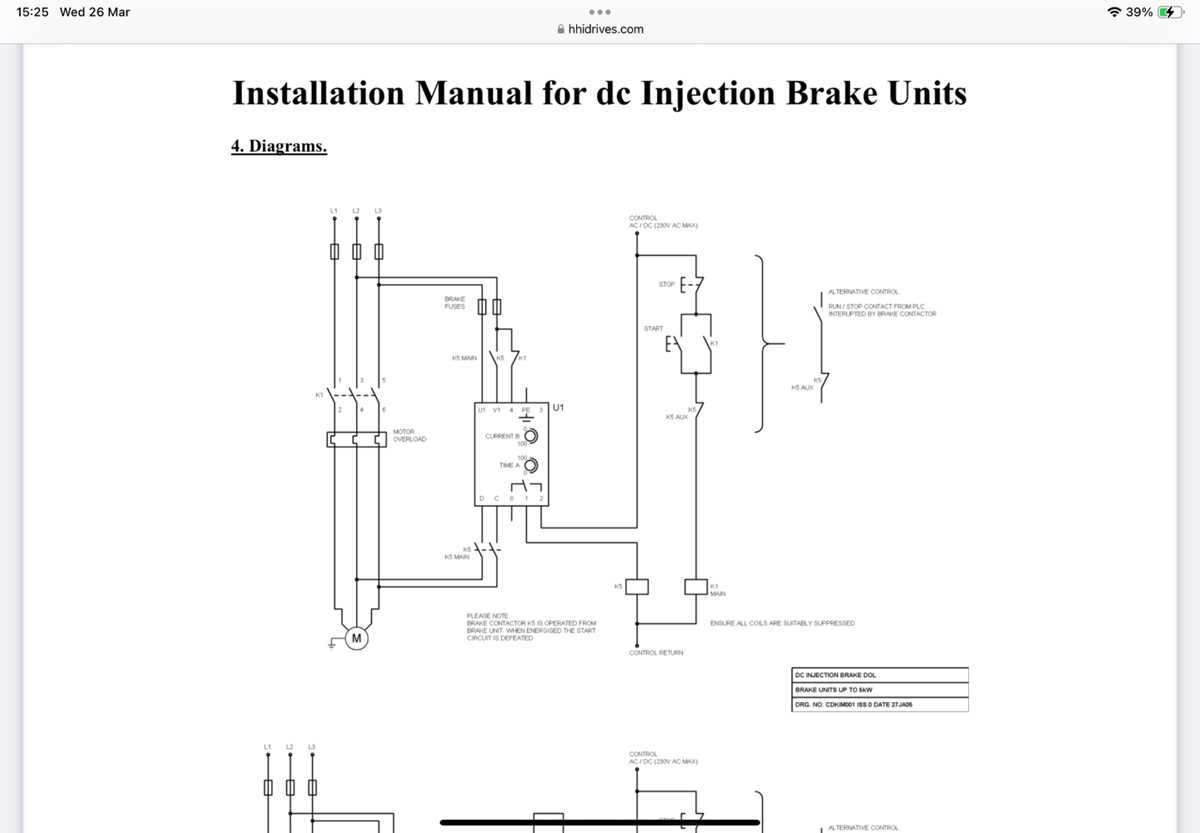
Connect the DC supply across motor windings through the resistor. Ensure terminals are tight and locking clips are engaged to maintain stable contact and prevent sparks during operation.
Testing and Safety
Run the motor at normal speed and engage the resistor to observe stopping performance. Monitor the resistor temperature, stopping time, and check for consistent operation. Install inline fuses on high-current lines for added protection and secure all conductors away from heat and sharp edges.
Step by Step Resistor Installation for Motor Stop
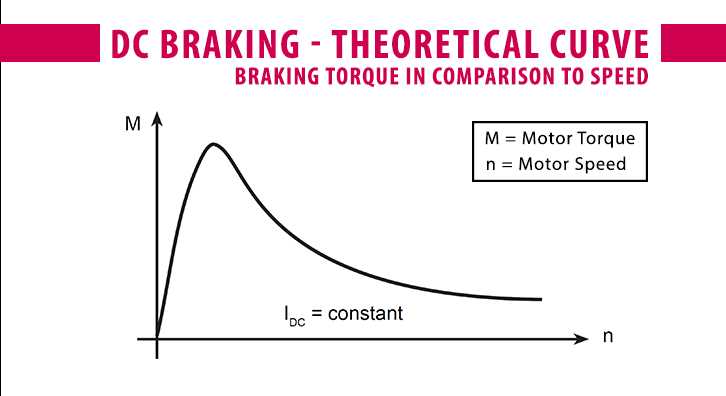
Select a resistor rated for the motor voltage and expected current. Verify the power rating to handle repeated energy dissipation without overheating.
Mount the resistor on a non-flammable surface, keeping it away from walls and moving parts. Ensure there is at least 5 cm of clearance around all sides for heat dispersion.
Use insulated wires to connect the resistor to the motor terminals. Secure all terminals with locking clips or nuts to prevent loose contacts that can cause sparks.
Check the resistance path by measuring continuity with a multimeter. Confirm correct polarity if the system requires directional current for consistent stopping performance.
Run a test by energizing the motor at normal speed and applying the resistor. Monitor the stopping time and resistor temperature. Adjust connections or resistor value if the motor stops too slowly or the component overheats.