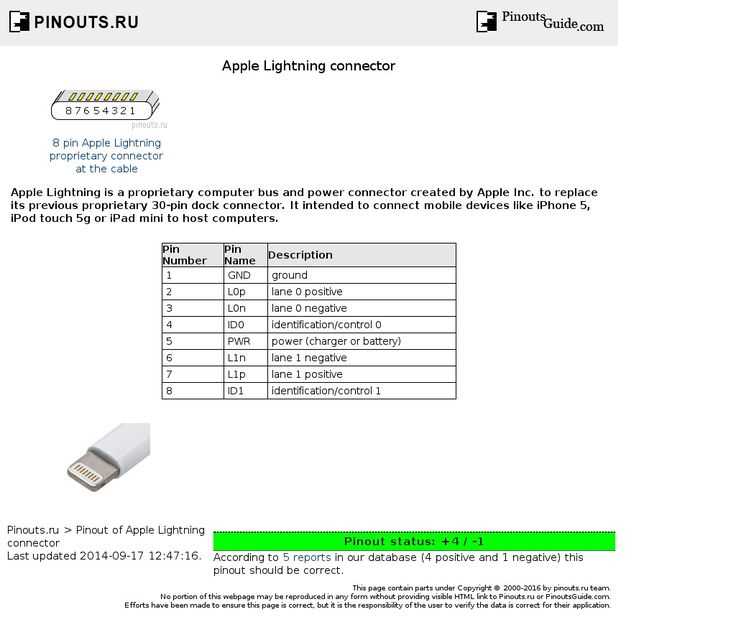
To ensure a proper connection and functionality, it’s vital to connect the correct components in a charging setup. Focus on integrating a voltage regulator, transformer, and rectifier to convert AC power to a usable DC output for charging. The main goal is to achieve stable and safe current flow to prevent damage to the device or the charging setup.
The primary elements of a charging setup include the power supply, a regulating component, and the output terminals. The power supply delivers AC voltage, while the regulator ensures that the DC output stays within the required range. A rectifier converts AC to DC, and the output terminals are responsible for transmitting the power to the device. To start, make sure that each component is rated according to the device’s charging specifications.
For reliable results, ensure that all connections are secure and insulated where necessary. A properly fused system adds a layer of safety, preventing potential short circuits or surges. Following a detailed plan for each connection, such as grounding the system and testing the voltage at each stage, will help in building a functional setup. Understanding each component’s role and making precise connections will guarantee that the charging process is safe and efficient.
iPhone Charger Schematic Guide
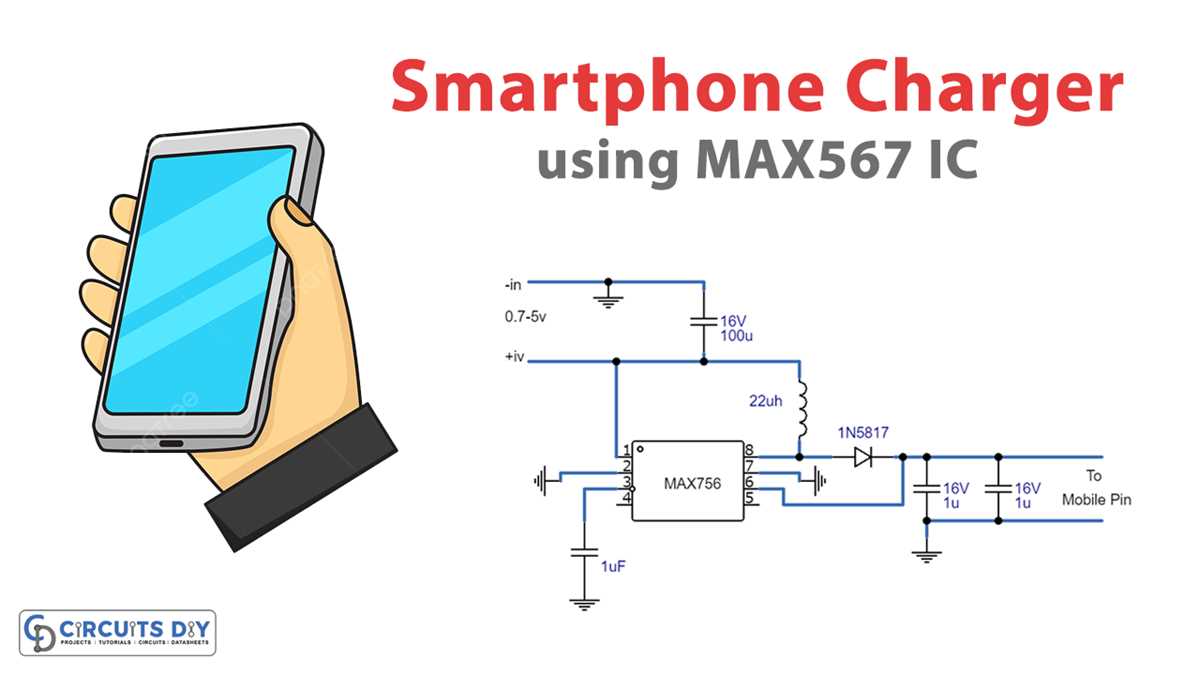
Start by connecting the primary power source to the voltage regulator, ensuring it outputs a consistent 5V DC. This is crucial for preventing damage to the device, as high voltage can cause internal circuitry failures. Integrate a filtering capacitor between the regulator and the device’s input to stabilize the power supply and minimize any voltage fluctuations that could potentially disrupt the charging process.
Next, the data line connection must be correctly wired to ensure the device can communicate with the charger. This step is necessary for efficient power management and to monitor the charging cycle. Use proper insulation on the wiring to avoid short circuits. Additionally, ensure that the current limiting components are in place to protect both the device and the power supply from overloads. Regularly test the setup with a multimeter to verify voltage and current flow at each stage of the system.
Components and Their Function in an iPhone Charger
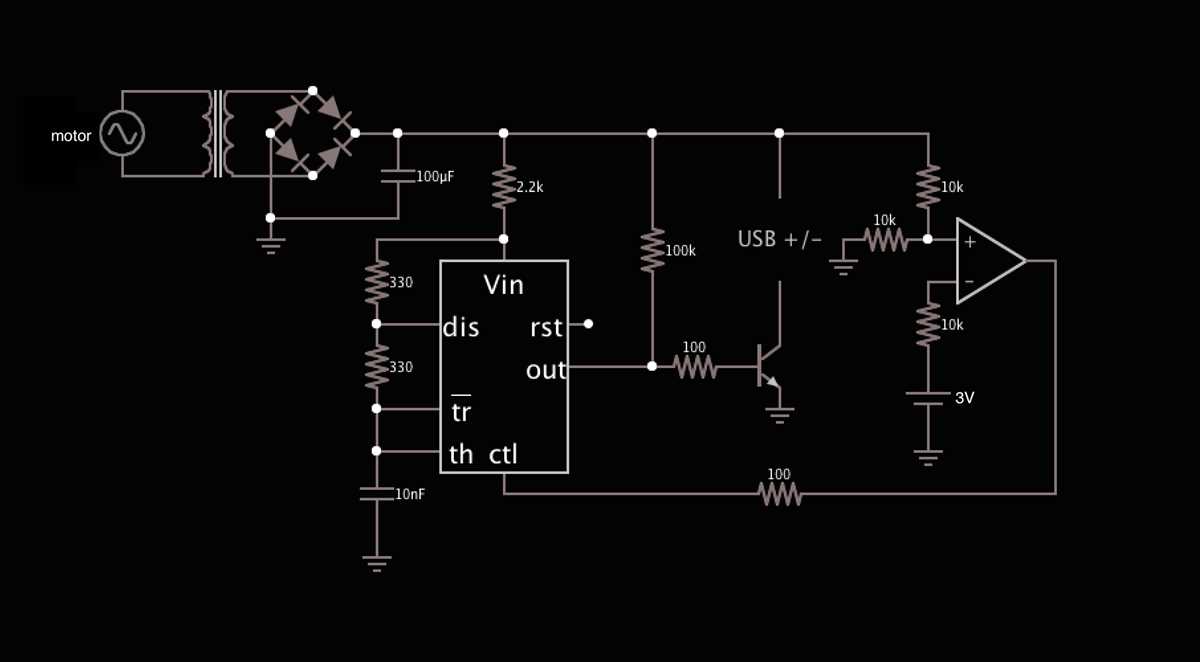
The most important component in a charging setup is the voltage regulator. It ensures that the power supplied remains at a stable 5V output, preventing overvoltage that could damage the device. The regulator works by converting the AC from the power source into a regulated DC voltage that’s safe for the device’s internal components.
A key element in maintaining steady power flow is the filtering capacitor. This component is responsible for smoothing out any noise or fluctuations in the voltage that could disrupt the charging process. It is placed after the voltage regulator to reduce ripple and ensure that the power delivered is clean and stable.
Next, a current-limiting resistor is used to avoid overloading the device. This component controls the amount of current that reaches the device’s battery, protecting both the battery and the power supply from excessive current that could lead to overheating or failure. It is often adjustable, depending on the needs of the device being charged.
Lastly, the data line or communication wire allows the power supply to exchange information with the device. This communication ensures that the charger is able to identify the device and provide the correct charging profile, optimizing power usage and extending the battery’s lifespan.