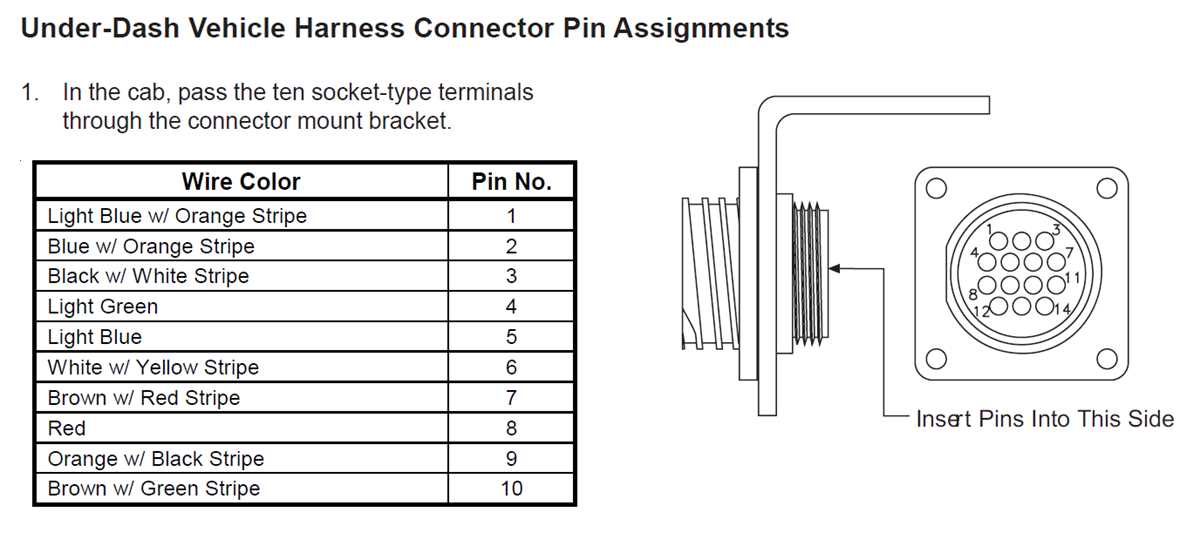
Ensure all terminals are disconnected from the battery before attempting any modifications to prevent shorts or component damage. Use a 12-volt test light to verify that no live current remains at the control box connectors.
Identify each cable by its color coding and mark both ends with tape and a permanent marker. Red leads typically carry positive voltage, black serves as ground, and yellow or blue may control solenoid or motor activation circuits.
Route main supply cables along existing vehicle harnesses and secure with zip ties at intervals of 6–8 inches. Avoid sharp edges or heat sources near the engine compartment to prevent insulation wear and potential shorts.
Confirm solenoid operation by applying direct voltage to the actuator terminals while monitoring response at the hydraulic or motor assembly. Adjust connectors if necessary to ensure immediate and complete engagement.
Check continuity and resistance between the control box and each actuator using a multimeter. Readings should match manufacturer specifications, usually under 2 ohms for active leads and less than 0.5 ohms for ground paths.
Fisher Plow Electrical Setup and Connection Guide
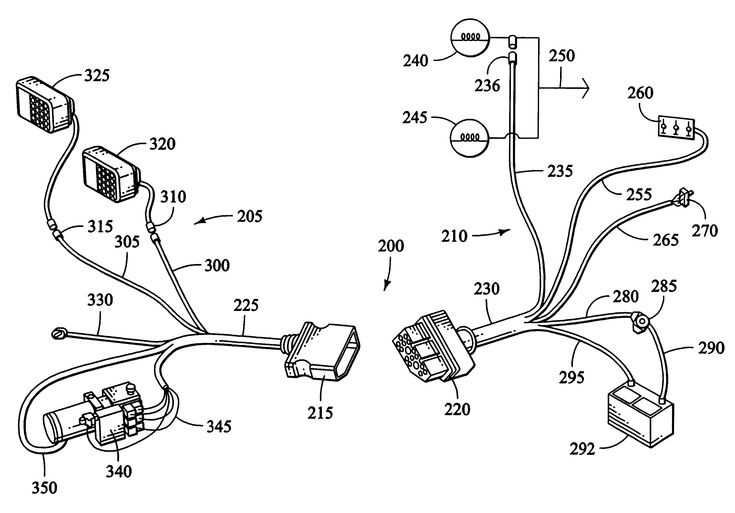
Disconnect the main battery terminals before starting any assembly to prevent shorts. Confirm no voltage remains at the control harness with a multimeter before proceeding.
Identify each lead by color and labeling. Red wires typically carry positive voltage, black wires serve as ground, and blue or yellow may activate motors or solenoids. Use colored tape or labels on both ends for clarity.
Follow the vehicle’s existing harness routes to secure the main cables. Use zip ties every 6–8 inches and avoid areas near hot surfaces, moving parts, or sharp edges to prevent insulation damage.
Connect actuator terminals and verify operation by applying 12 volts to the control switch. Each hydraulic or motor unit should engage instantly without delay or resistance. Adjust terminals if the response is weak.
- Check continuity between the control unit and actuators with a multimeter
- Resistance should measure under 2 ohms for active leads
- Ground paths should measure under 0.5 ohms
- Ensure connectors are snug and free from corrosion
After completing connections, test the system under full load. Cycle the motor or hydraulic functions several times to confirm smooth operation and that all leads remain secure. Recheck tightness of clamps and fasteners before regular use.
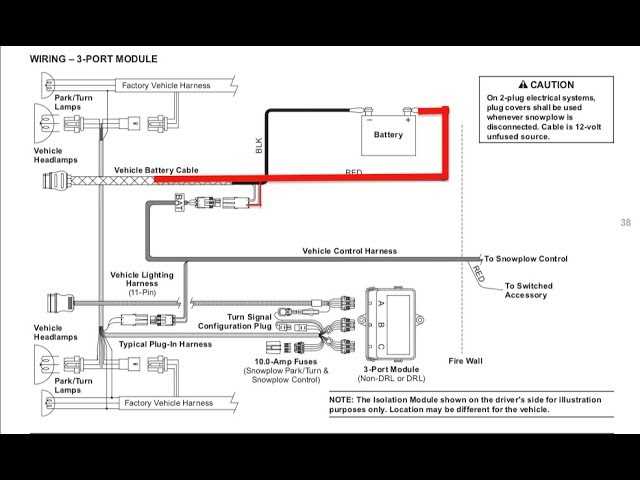
Identifying Control Box Terminals and Lead Colors
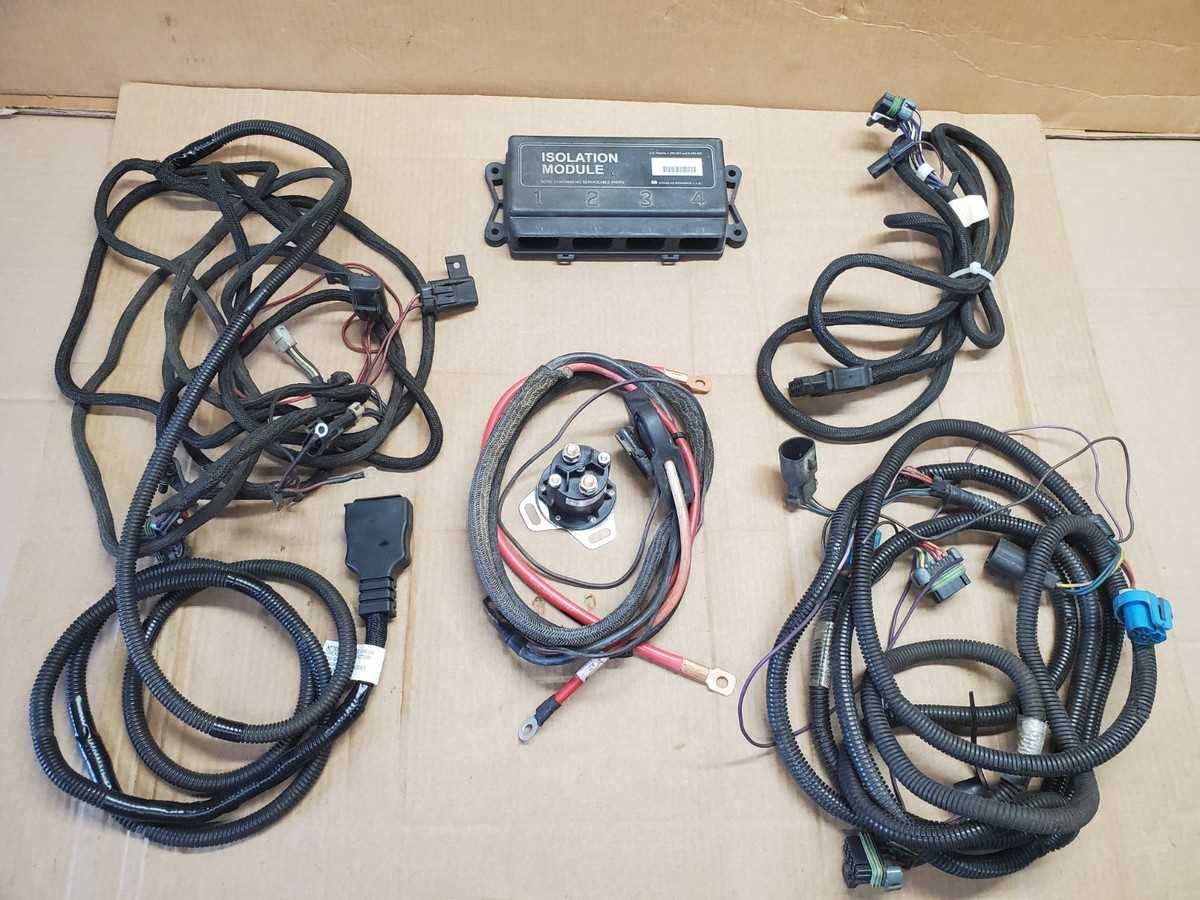
Start by examining the control box cover for stamped or printed labels near each terminal. Most units mark positive, negative, and signal leads clearly, allowing immediate identification of function without testing each wire individually.
Use a digital multimeter to verify voltage and continuity on each lead. Red or orange cables usually carry main power, black indicates ground, and blue or green often signal actuator commands. Confirm readings before making permanent connections.
Mark each terminal with color-coded tape or tags. Label both ends of the cable to match the terminal designation. This prevents misconnection during reassembly or future maintenance, especially when multiple actuators are involved.
Inspect connectors for corrosion, frayed insulation, or loose pins. Clean and tighten terminals to ensure consistent conductivity and prevent erratic actuator behavior under load.
Trace each cable path from the control box to the corresponding solenoid or motor. Maintain separation of signal leads from high-current lines to minimize interference and voltage drop during operation.
Document the terminal layout in a simple reference chart. Include the wire color, terminal label, and destination function. This chart serves as a quick troubleshooting tool and reduces error during system modifications.
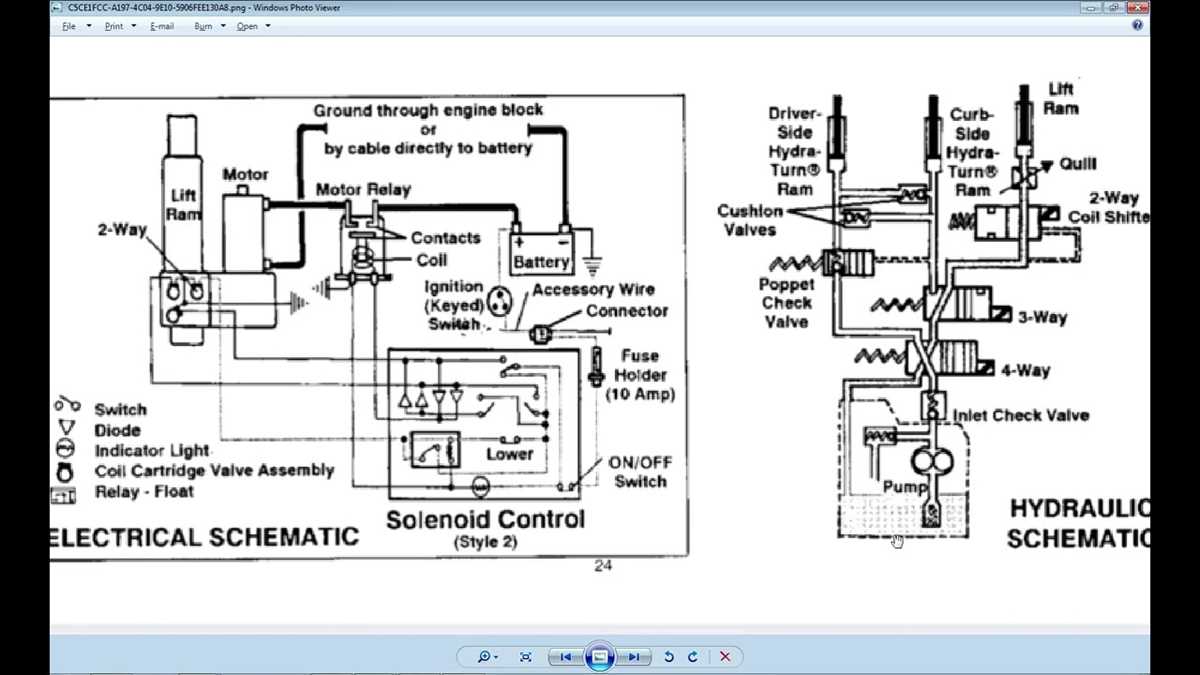
Perform a test cycle after all connections are secured. Activate each function individually and confirm that the correct actuator responds. Note any unexpected behavior and recheck lead identification before continuing full system operation.
Maintain spare connectors and insulation sleeves near the control box. Immediate replacement of damaged leads prevents shorts and maintains system reliability, especially in harsh or snowy environments where moisture and vibration are constant factors.