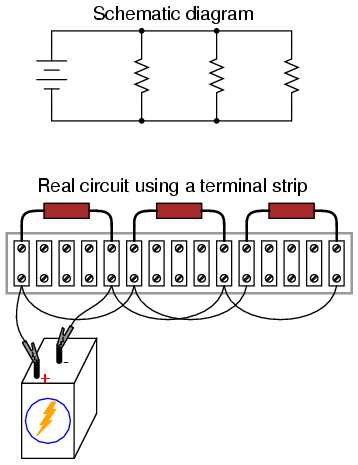
Before setting up any electrical setup, ensure you know how to map out the various components and their connections. This includes carefully analyzing the path each current takes through the system, as even small mistakes can lead to poor performance or failure. Pay attention to the values and positioning of components that limit current, as incorrect placement could cause overheating or malfunction.
Focus on identifying the correct symbols and values in any provided schematic. For example, each component is represented by a specific symbol, which makes it easier to trace the flow of electricity. Recognizing the connections that influence the resistance and total current flow is critical to ensuring proper functionality. Double-check the configuration before connecting anything, especially when dealing with multiple components.
Always make sure that the components are placed in the right orientation to avoid short-circuiting or damaging the power source. Keep in mind that the resistance impacts the voltage drop across the setup. Properly interpreting a schematic ensures that each part of the system works together, without overloading any single component. Regularly test your setup to identify any issues early on, especially after making changes or adding parts.
Resistor Circuit Diagram Guide
Start by carefully identifying each component on the electrical schematic. The layout typically includes symbols representing the components and lines that show how they are connected. For example, resistive elements are usually marked with a zigzag line. Understanding the representation of each component ensures proper assembly and troubleshooting.
How to Trace the Electrical Flow
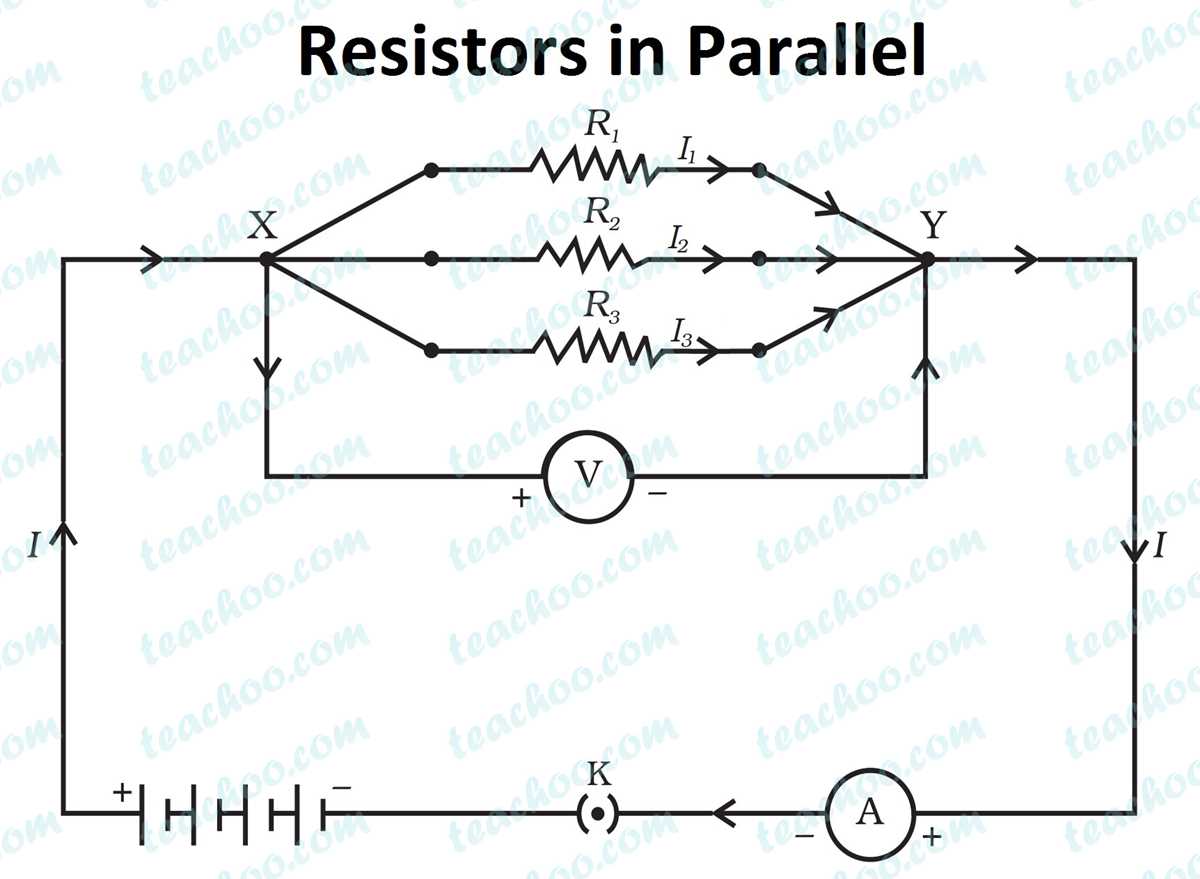
Each diagram indicates the flow of electricity through the setup. Begin by following the path from the power source and trace it through each connected component. Pay close attention to the direction of current flow, as incorrect connections can cause short circuits or prevent the setup from working as intended. Always double-check that the current flow aligns with the components’ specifications.
Common Wiring Configurations
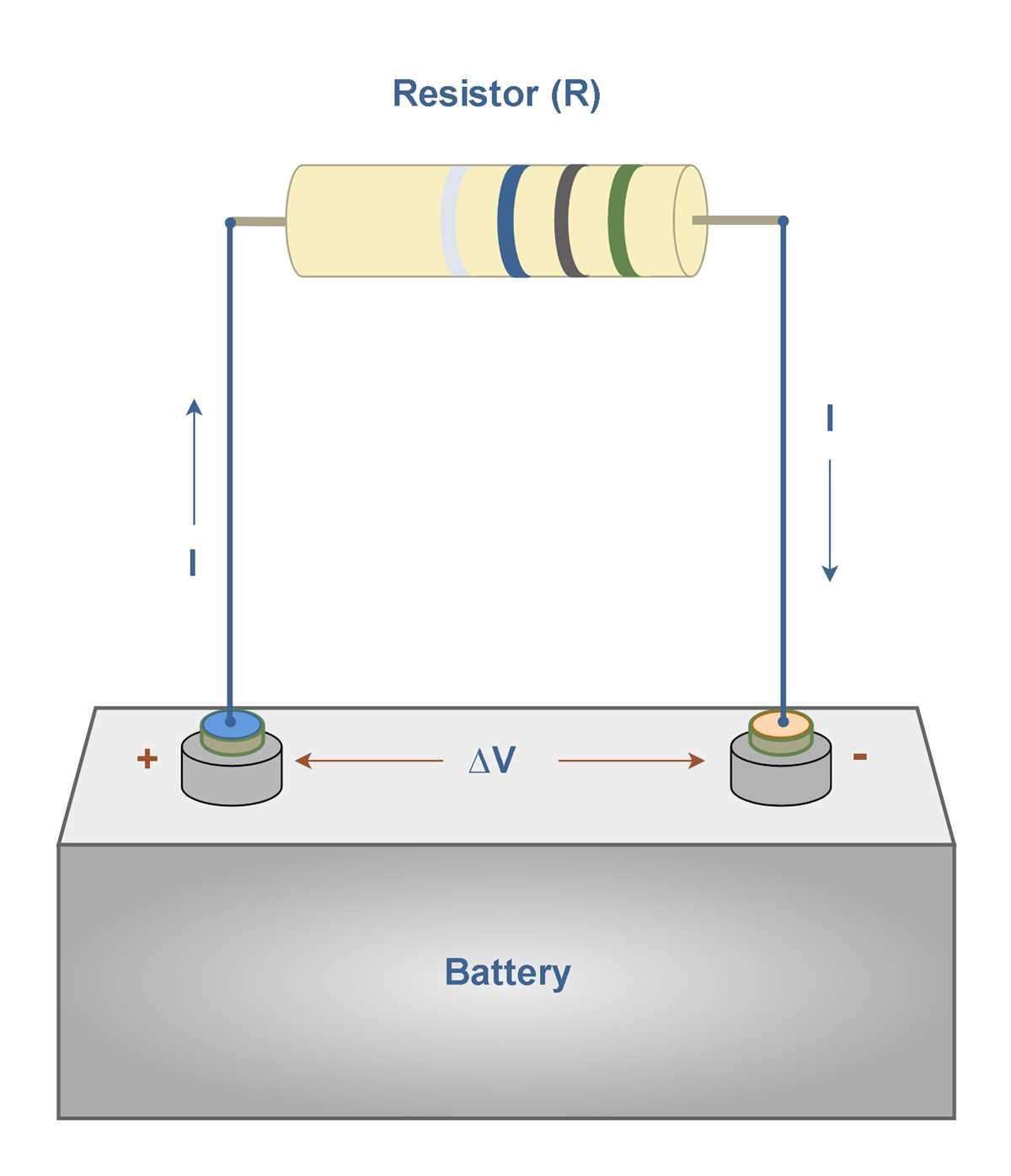
In most designs, components are arranged either in series or parallel. In series, the current flows through each component sequentially. In parallel, each component is connected across the same two points, allowing the current to split and flow through each path. Knowing the difference between these configurations is key to interpreting the layout and ensuring that the system functions properly.
After wiring the components according to the schematic, verify the setup by using a multimeter to measure voltage and resistance. Ensure that the readings match the expected values. If discrepancies are found, recheck the connections and confirm that no wires are touching each other or short-circuiting the system. Regularly testing the configuration during setup prevents costly mistakes down the line.
How to Read and Interpret Resistor Circuit Diagrams
Begin by identifying the key components on the layout. Symbols represent each element: the zigzag line for the limiting device, straight lines for the connecting paths, and nodes where multiple elements meet. Understanding these symbols ensures accurate interpretation and prevents mistakes when setting up the system.
Next, locate the power source and follow the flow of energy through each part. In most setups, power enters the first component and flows through each successive part according to the schematic. Pay close attention to the connections between components, as improper placement can cause malfunction or inefficiency.
Focus on the specific values and ratings of the components shown in the schematic. For instance, you might see numeric values indicating the resistance or capacity of each element. Knowing these details helps ensure that the configuration matches the required specifications, which is key to maintaining the system’s stability and performance.
If there are multiple paths for current to flow, such as in parallel configurations, trace each path individually. In these setups, the current divides, and it’s important to ensure that the correct values are applied to each route. Look for labels that indicate parallel or series configurations, which will help you follow the proper order and connection style.
Finally, after laying out the components based on the diagram, verify your work by checking for continuity with a multimeter. Ensure that the energy flow follows the expected pattern and that each component is working within its defined parameters. Regular testing during setup helps prevent issues before they affect the entire system.