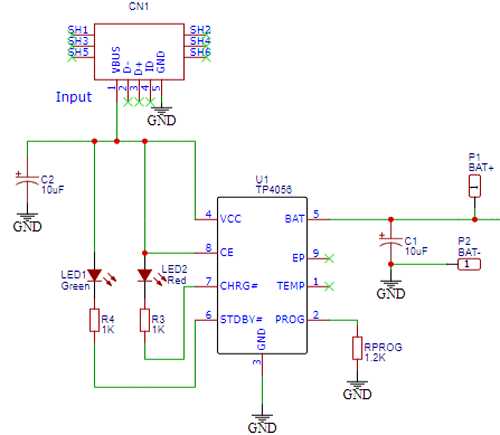
Ensure that your lithium cell charging setup includes a reliable voltage regulation system to avoid overcharging. A balanced approach using both constant-current and constant-voltage modes is critical for safety and battery longevity.
The voltage provided by the power source should match the battery specifications, typically around 4.2V for a fully charged cell. Including a current-limiting component or a dedicated controller will regulate the amount of current, protecting the cell from excessive charging rates.
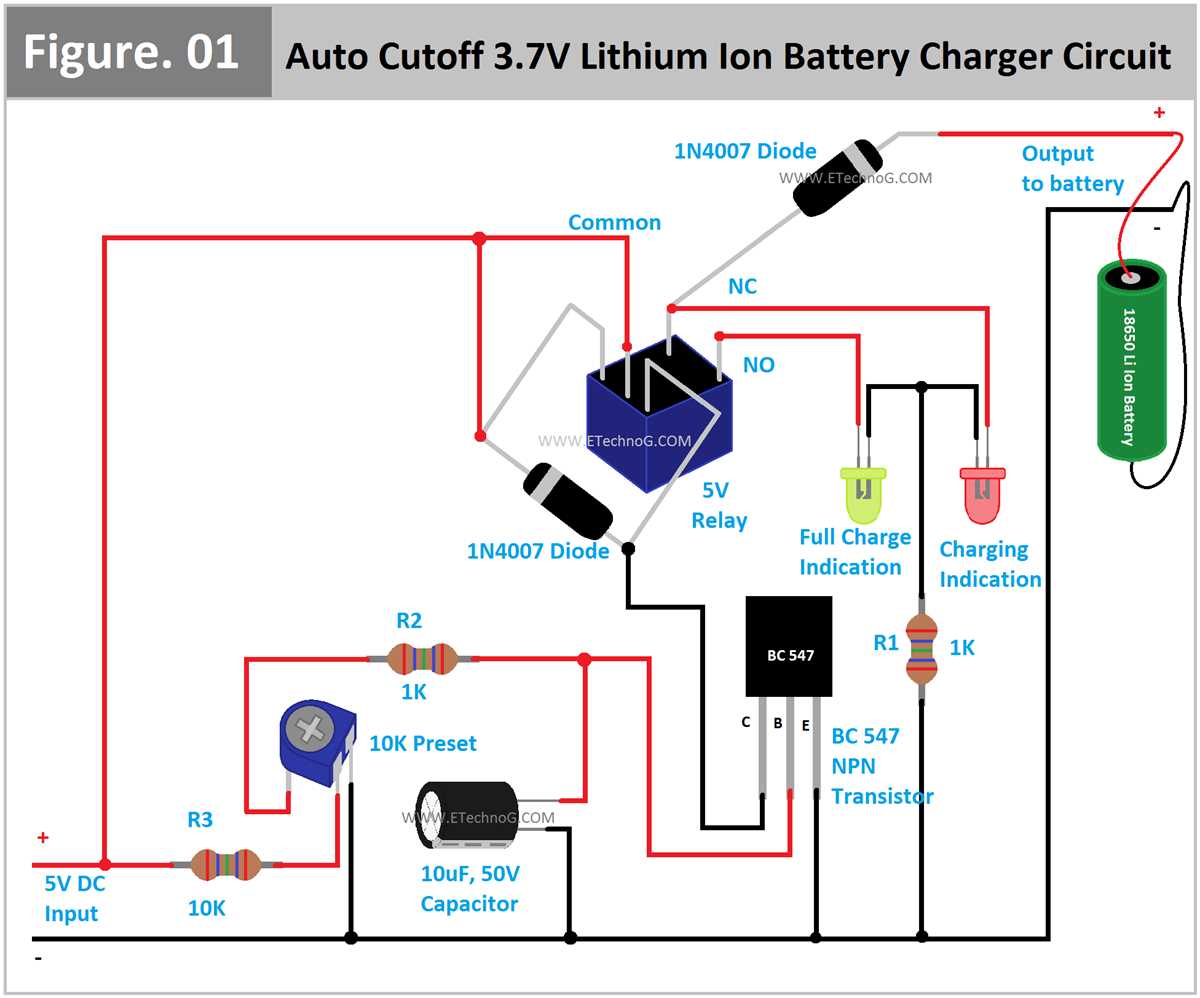
To further improve safety, integrate over-voltage and over-current protection. These features will prevent any damage caused by irregular power flows or unsafe charging conditions, which could lead to battery failure or even fire hazards.
Temperature monitoring is another key safety feature. A temperature sensor will allow the system to halt charging if the battery exceeds the recommended temperature range, preventing overheating and potential thermal runaway issues.
Li Ion Charging Setup Guide
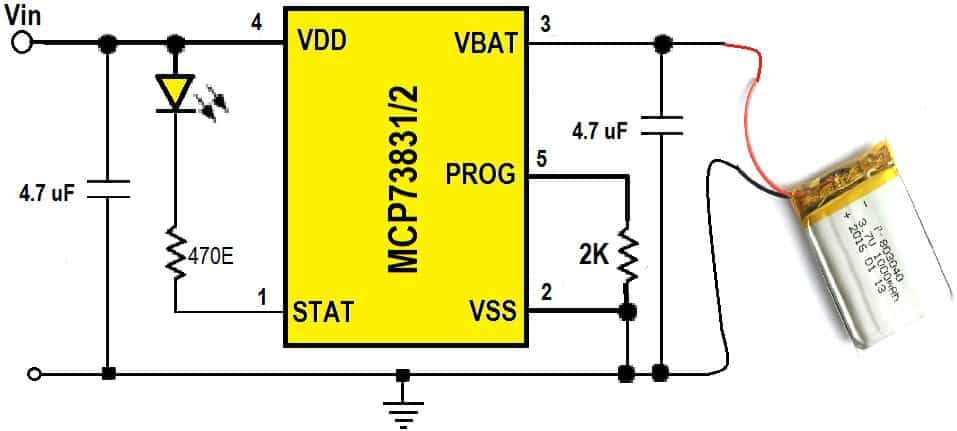
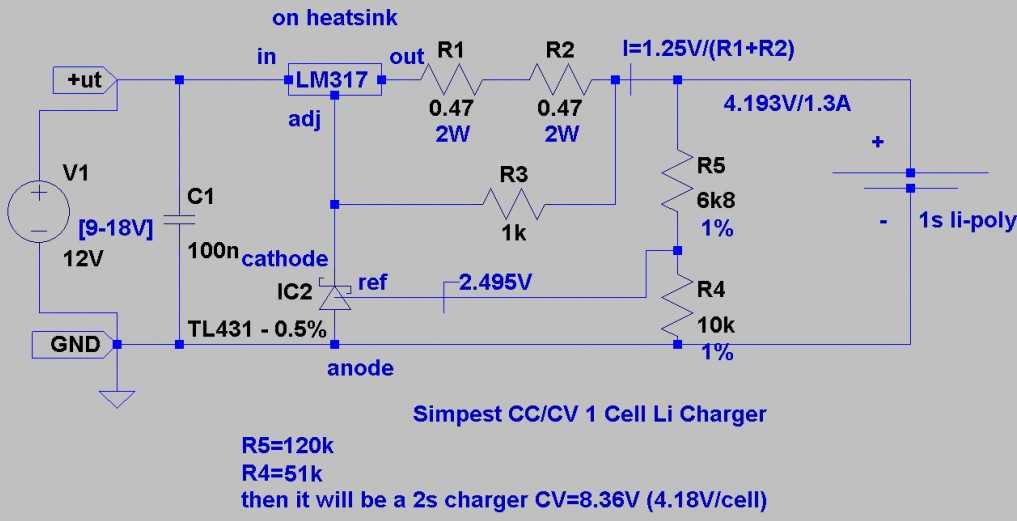
To design a reliable lithium battery recharging system, begin by ensuring that the power source voltage aligns with the recommended level for the battery type, typically around 4.2V. It is critical to integrate a current-limiting feature to avoid overcurrent scenarios that could damage the battery or reduce its lifespan.
Incorporating a dedicated controller is another key recommendation. This controller should manage both constant current and constant voltage phases. The initial charging phase will usually require a constant current, while the final stage should shift to a constant voltage to maintain safe charge levels.
During the setup, a precise monitoring mechanism should be employed to measure the battery voltage throughout the process. If the voltage exceeds safe limits, the system must automatically stop charging or alert the user to potential issues.
To minimize potential risks, include overcharge protection circuitry. When the cell reaches its maximum voltage threshold, the system should either stop charging or reduce the current to a maintenance level, preventing any further increase in voltage.
Overheating is a common issue during the charging process. Therefore, consider integrating temperature sensors that will immediately halt or adjust the current flow when the temperature exceeds safe operating ranges. This will reduce the risk of thermal runaway.
Additionally, integrating short-circuit and reverse polarity protections can prevent potential damage during accidental miswiring. Reverse polarity protection ensures that the battery does not face harm if the connections are reversed during setup.
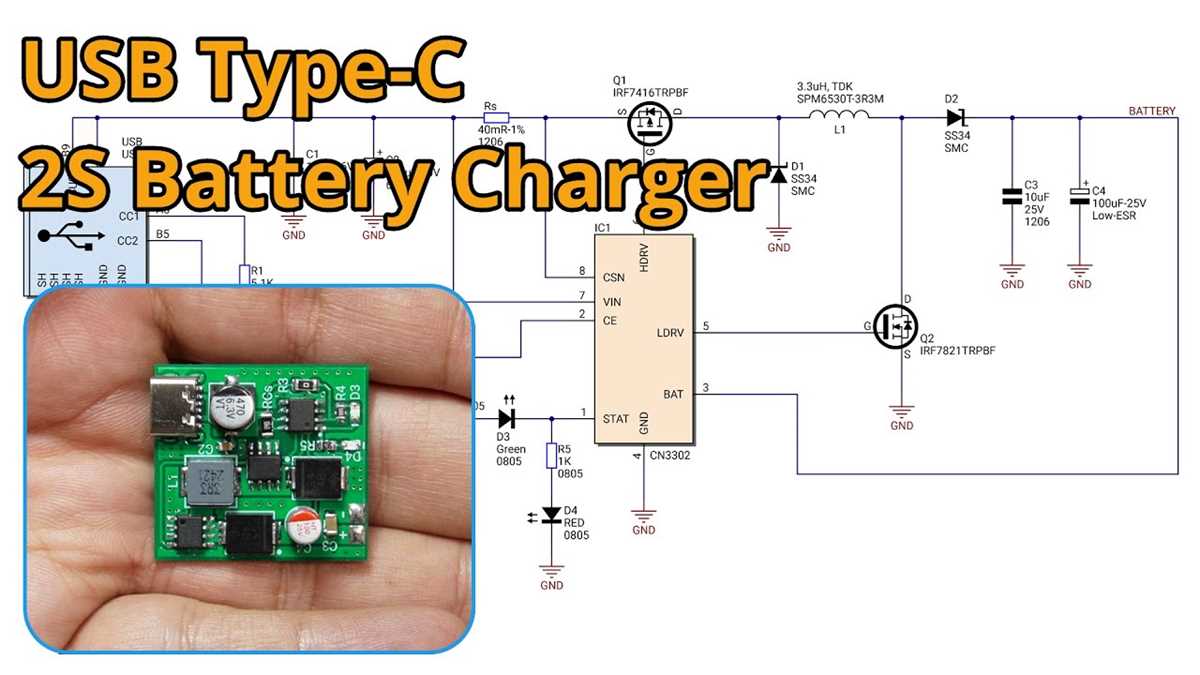
Another feature worth adding is a battery balancing mechanism. As cells age, they may become unbalanced. A balancing circuit ensures that all cells within a battery pack are charged evenly, extending the pack’s overall life and improving performance.
Finally, while building or selecting a battery recharging unit, choose components that are certified for safety and longevity. Components with high-quality thermal management and low failure rates contribute to the system’s stability and reliability over extended use.
Understanding the Components of a Li Ion Charging System
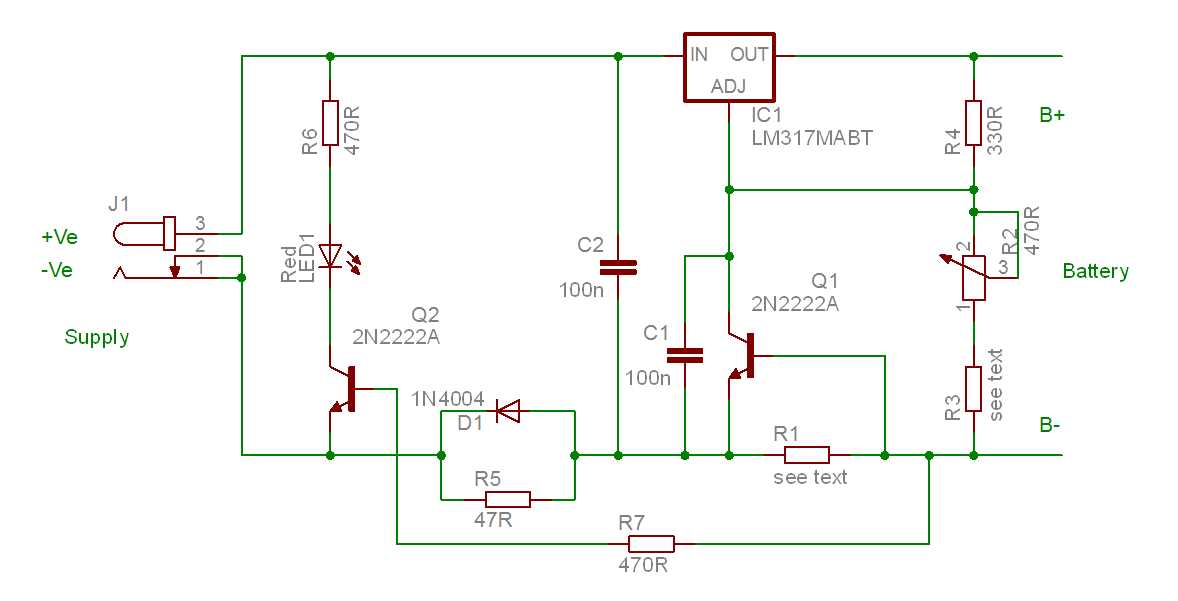
The primary component in this setup is the power supply, which provides the correct voltage to safely recharge the battery. It is crucial that this source offers a stable, regulated output to avoid overcharging or undercharging, both of which can severely impact battery health.
Another important part is the current-limiting mechanism. This ensures that the current remains within safe boundaries during charging. Too much current can cause overheating and potential damage to the battery cells, which is why it is often integrated with a monitoring system that adjusts based on the battery’s state of charge.
Temperature sensors also play a significant role in preventing unsafe conditions. These sensors detect when the battery’s temperature exceeds the preset safe limit. When triggered, the system will either reduce or stop the charging process to protect the battery from overheating, which could lead to a fire or permanent damage.
The voltage regulator is another key element, controlling the charging process as the battery nears full capacity. Once the voltage reaches a specific threshold, the regulator shifts the charging mode from constant current to constant voltage, allowing the battery to safely complete the process.
Finally, the protection circuits–such as reverse polarity protection and overcharge protection–ensure the system remains safe and reliable. If the connections are reversed or the voltage exceeds a certain level, these circuits will automatically cut off the power to prevent irreversible damage to the battery or the charging system.