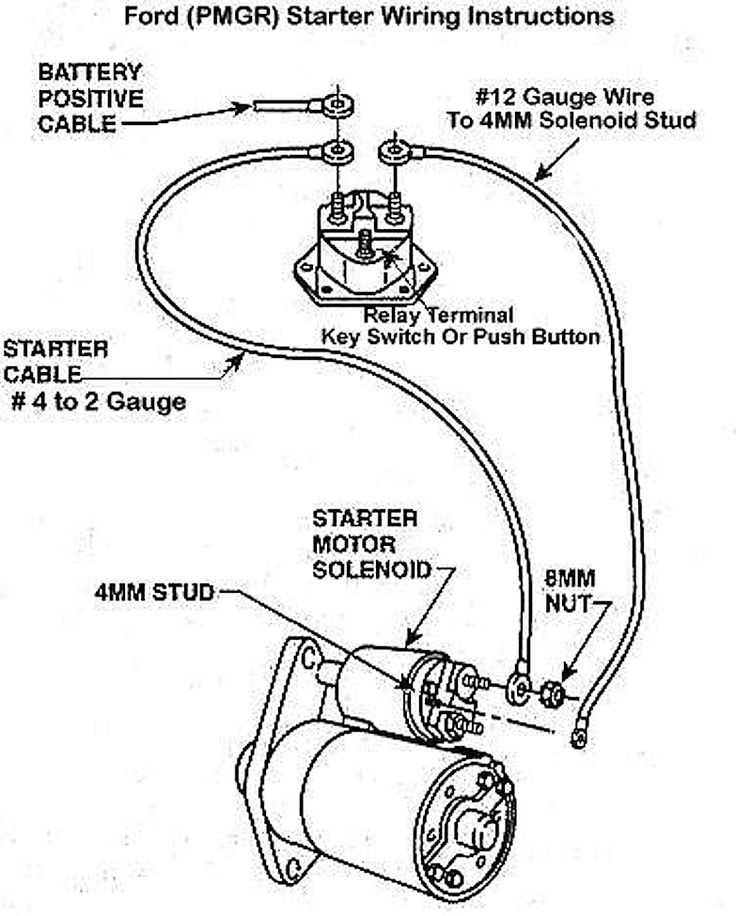
Connect the main power lead directly to the positive terminal of the energy source. Ensure terminals are clean and corrosion-free, and use insulated connectors to maintain consistent current flow during engine engagement.
Attach the activation coil to the ignition switch output using color-coded leads. Verify the polarity to prevent backfeed and test the continuity with a multimeter before securing the connections.
Link the heavy output terminal to the starter motor input. Use properly rated cables and secure mounting brackets to minimize resistance and prevent voltage drop under load conditions.
Install a fuse inline on the primary power lead to protect the relay and connected components. Choose a rating slightly above the normal operating current to avoid nuisance trips while providing safety against short circuits.
Engine Relay Connection Guide with Battery and Ignition Links
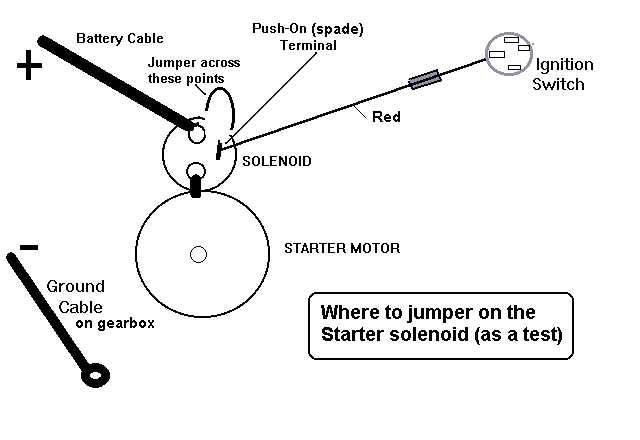
Connect the main positive lead directly to the relay input terminal using a properly rated cable. Tighten the terminal securely and use a protective boot to prevent accidental shorts. Verify that the connection is free of corrosion to maintain reliable current flow during engine startup.
Attach the control coil to the ignition output using color-coded insulated wires. Confirm correct polarity and test with a multimeter before final mounting. Ensure the heavy output terminal is connected to the motor input with short, thick cables to minimize voltage drop and provide immediate response when the ignition is engaged.
Identifying Solenoid Terminals and Correct Battery Connections
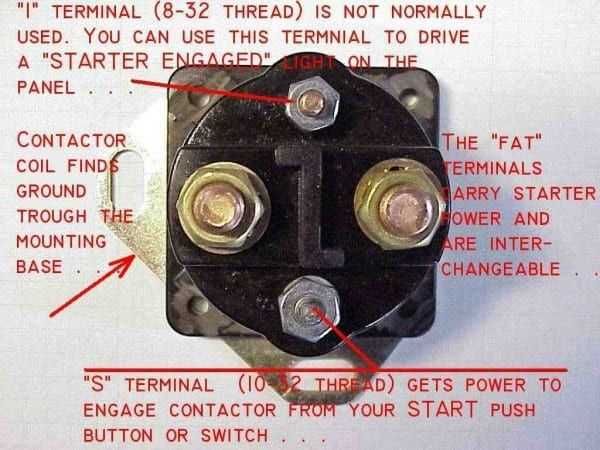
Locate the main high-current terminals first. These are typically marked with a “B+” for battery input and a “M” for the motor output. Ensure the positive cable from the energy source is connected to the correct terminal to prevent reverse current flow.
Check the control coil terminals next. These smaller terminals are often labeled “S” or “I” and connect to the ignition switch. Confirm polarity using a multimeter to avoid coil damage during activation.
- Inspect terminals for corrosion or loose fittings.
- Clean connections with a wire brush or terminal cleaner for consistent conductivity.
- Replace damaged nuts or bolts to maintain firm contact under vibration.
Use color-coded cables whenever possible. Typically, red is used for positive input and black for ground. Secure cables with insulated connectors to prevent accidental short circuits.
Double-check the motor connection. Ensure the thick cable from the output terminal leads directly to the motor’s positive input. Keep the run as short as possible to minimize voltage drop.
- Label each connection clearly for future maintenance.
- Verify continuity with a multimeter before applying full power.
- Test the coil with low voltage first to confirm proper engagement.
Ground the negative terminal securely. Attach the cable directly to a solid metal point on the chassis or engine block. Loose grounding can cause intermittent activation or no response.
Perform a complete dry test before final operation. Engage the ignition briefly while monitoring voltage at each terminal. Adjust connections if any resistance or overheating is detected to ensure reliable engine engagement.