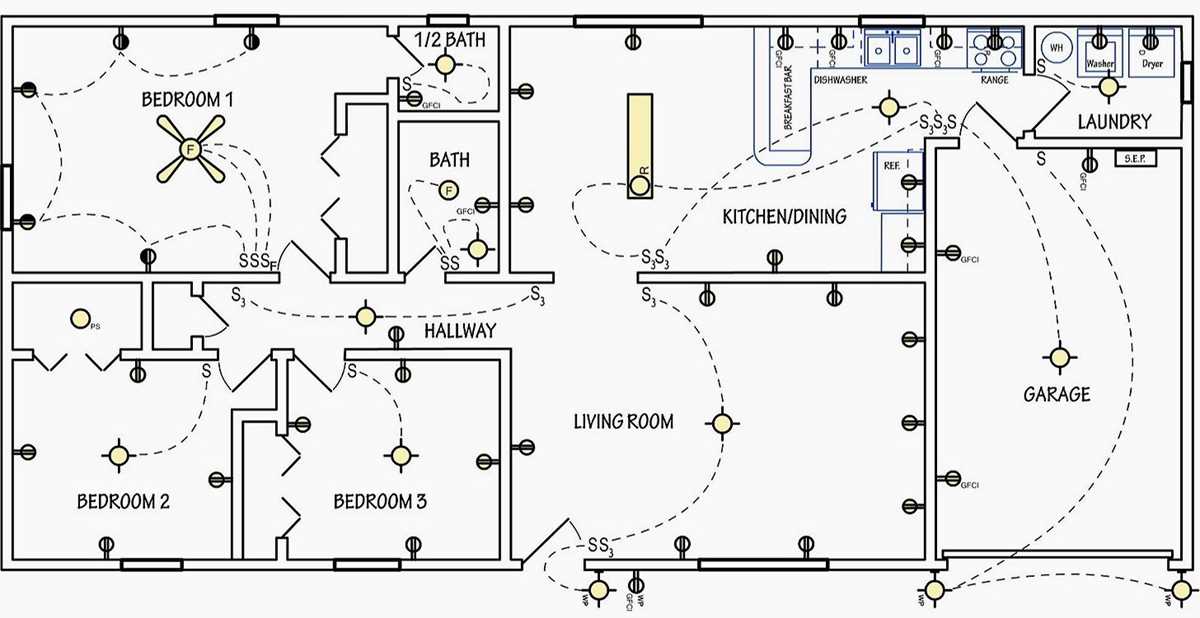
To ensure safety and functionality in electrical installations, begin by clearly identifying the main power source, typically from the breaker panel. Each circuit in your system should be traced from the panel to the various outlets and appliances. The proper mapping of connections is crucial to avoid overloading any single circuit.
Next, pay attention to the grounding and neutral systems. These must be connected correctly to avoid electrical faults and ensure the protection of your home from potential surges. Using a grounding rod or connecting to the building’s foundation will provide a safe return path for the current.
Finally, make sure all wires are sized correctly for the load they will carry. Using undersized cables can lead to overheating and pose a fire risk. Follow local electrical codes to determine the appropriate wire gauge based on the devices and appliances on each circuit.
Diagram of Electrical Connections for Residential Systems
Start by tracing the main circuit from the breaker panel to each individual room or area. Ensure each circuit has the appropriate amperage to handle the load, especially in high-demand areas such as kitchens or home offices. Each wire should be securely connected to prevent any short circuits.
For safety, the ground wire should be properly connected to a grounding rod or the home’s metal framework. This ensures any excess electricity is safely directed away from the system in the event of a surge. Additionally, always use the correct wire gauge according to the expected load to avoid overheating.
When setting up outlets and switches, ensure all connections are tight and secure. Check that the neutral and hot wires are placed in the correct terminals and that they are free from any signs of wear. Test the system before finalizing the installation to ensure everything is working as expected.
Identifying Key Components in Home Electrical Systems
The first component to locate is the main electrical panel. This is where all circuits originate and are controlled. Make sure the panel is easily accessible, and label each circuit breaker to identify its corresponding area or device. Proper labeling helps during maintenance and troubleshooting.
Next, identify the power sources feeding into the system. These include the main power line coming from the utility company. Confirm that all connections between the power lines and the panel are secure and free from any visible damage to avoid short circuits or power loss.
Outlets and Switches
Outlets and switches are another critical part of any electrical setup. These should be checked for proper grounding and secure connections. When working with outlets, ensure the hot, neutral, and ground wires are properly connected to their respective terminals to prevent electrical hazards.
Grounding System
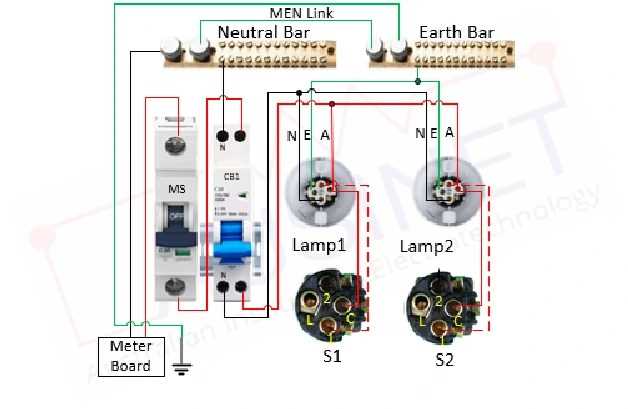
A reliable grounding system is important for safety. Ensure that grounding rods or ground wires are properly installed and connected to the main panel. A poorly grounded system can lead to electrical shocks or fires, especially during surges or faults.
Each circuit should also have an appropriate circuit breaker. These breakers protect the system by shutting off the electricity when a fault occurs, preventing overheating or damage to wires. Check that each breaker is the correct rating for the wire gauge and devices it controls.
Don’t forget to verify the use of the proper wire gauge for each circuit. For instance, thicker cables should be used for high-power appliances like refrigerators or air conditioners. Under-sized wires can overheat and cause fires.
Lastly, inspect the connections between the panel and each electrical appliance or fixture. Any loose or improperly connected wires can lead to sparks or shorts. Tighten any loose terminals and check for signs of wear or corrosion on connections to maintain a safe and reliable system.