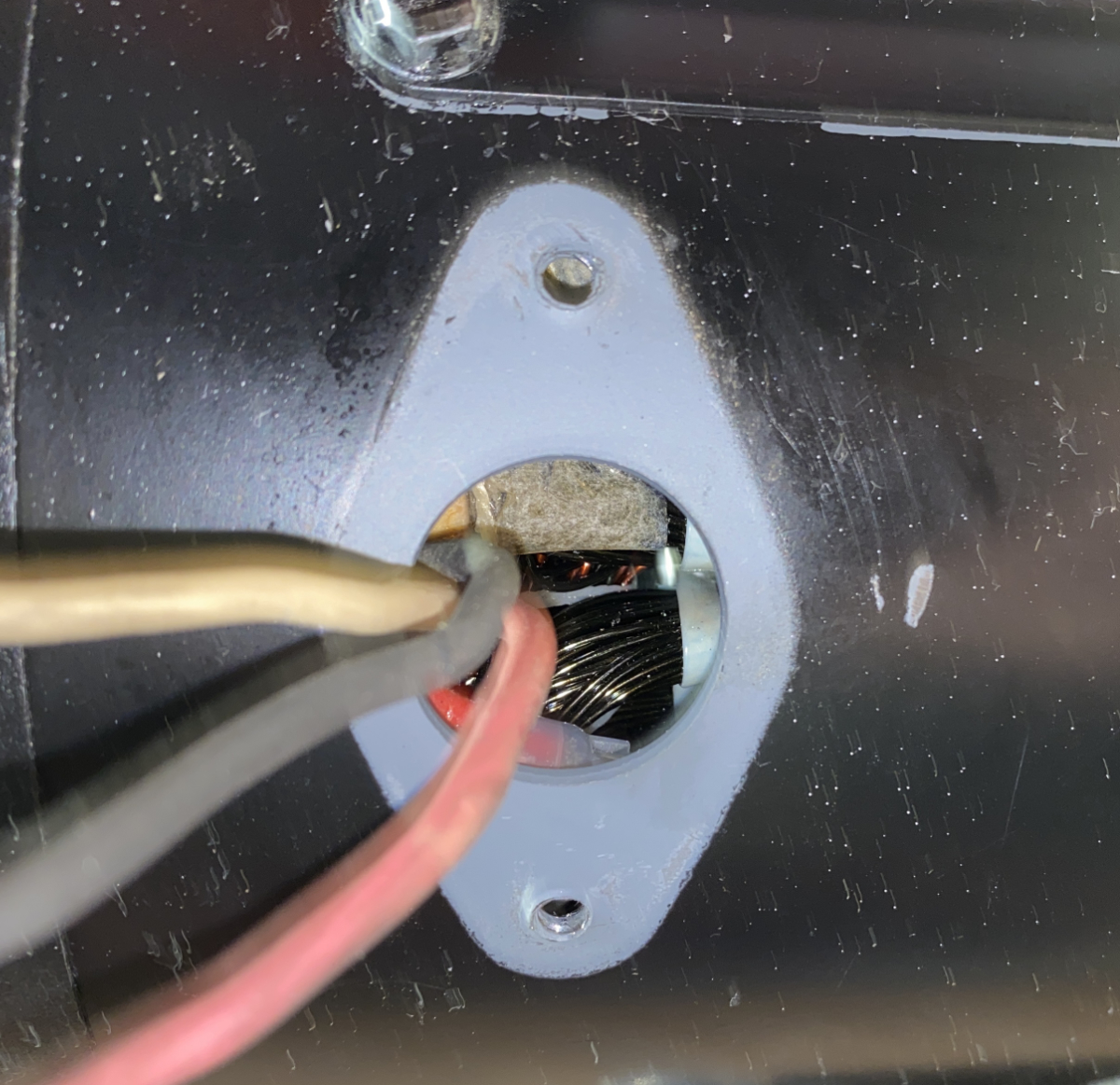
Verify the terminal identification on the nameplate before connecting any phase leads. Using the correct phase sequence prevents reverse rotation and potential damage to the unit.
Label all input lines clearly and match them to the corresponding stator points. A mismatched connection can trigger overheating and reduce the lifespan of the assembly.
Confirm supply voltage compatibility with the unit’s rated specifications. Overvoltage or undervoltage may trip protective devices or cause insulation failure.
Grounding the frame ensures operator safety and minimizes electromagnetic interference. Always use the designated terminal and secure the conductor tightly.
Use proper torque values on all terminals to maintain consistent contact and avoid arcing. Loose connections generate heat and accelerate wear on components.
Wiring Layout for Industrial Rotating Machines
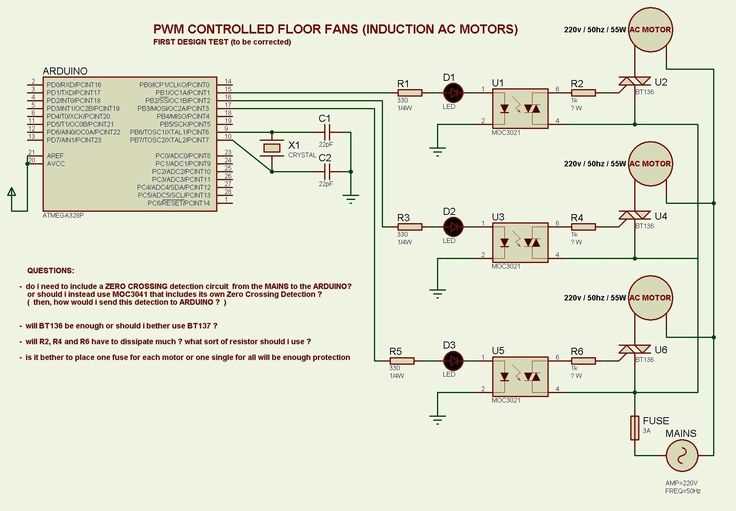
Connect the three-phase supply directly to terminals marked T1, T2, and T3 on the nameplate. Ensure the line voltage matches the plate rating, and tighten all screws to 12–15 lb·in torque to avoid loose contacts.
For dual-speed setups, identify the jumper connections on the terminal strip. Low-speed operation requires linking L1 to U1, L2 to V1, and L3 to W1; high-speed configuration shifts the jumpers to U2, V2, and W2. Always use insulated jumpers to prevent accidental short circuits.
Capacitor-assisted single-phase start units demand careful placement. Mount the start capacitor near the stator terminals and verify polarity if marked. Incorporate a centrifugal switch or relay in series to disengage the capacitor after 0.5–1 second of rotation.
- Check continuity between each winding with a multimeter before energizing.
- Confirm the ground connection at the chassis lug.
- Label each lead with heat-shrink markers for maintenance clarity.
- Verify rotation direction by briefly powering the device and swapping any two incoming leads if reversal is needed.
Document all connections on a printed schematic for future troubleshooting. Include torque values, jumper settings, and any capacitor ratings. Store this record near the control panel to minimize downtime during inspections or replacements.
Identifying Motor Terminals and Wire Colors
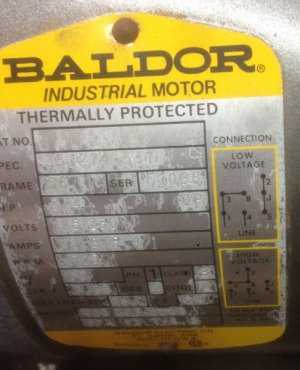
Locate the terminal box cover and remove it carefully to expose connection points. Terminals are usually labeled with letters such as T1, T2, T3 for line connections and T4, T5, T6 for common or secondary leads. Use a magnifying glass if labels are faint, as misreading a single mark can result in reversed rotation or short circuits.
Wire insulation follows a standardized color scheme: black, red, and blue indicate primary line feeds; white denotes neutral or common; green or green-yellow is reserved for protective grounding. For dual-voltage configurations, observe whether the leads are grouped for series or parallel operation. Misinterpreting the color code risks overheating or coil damage.
When tracing each conductor, note that some terminals have dual markings for high- and low-voltage setups. Cross-reference the stamped plate inside the junction box with the nameplate voltage rating. Never assume the sequence based on physical position alone, as identical housings may differ internally between models.
For permanent connections, tighten screws to the torque specified on the nameplate and verify each wire for continuity using a multimeter. Label each lead with adhesive tags or heat-shrink sleeves before final closure to simplify future service. Ensuring correct identification prevents phase imbalance, enhances reliability, and avoids repeated troubleshooting.