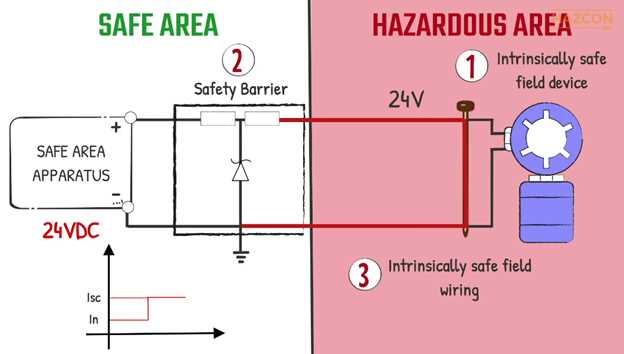
To prevent electrical hazards in environments where explosive gases or dust may be present, specific design standards must be followed. These standards include choosing components that limit the energy released by electrical equipment, ensuring that the risk of ignition is minimized.
Begin by selecting certified devices such as explosion-proof enclosures and energy-limiting components that restrict voltage and current to safe levels. This ensures that, even in the event of a fault, the system will not produce enough energy to cause ignition.
When designing such systems, it’s important to adhere to global standards, including those set by organizations like IECEx or UL. These certifications provide assurance that the equipment has been rigorously tested for safety in hazardous environments.
Ensure that proper grounding techniques are employed, and conduct regular tests to verify that the system operates within the necessary safety limits. Using the correct tools and devices will guarantee the protection of personnel and equipment in volatile settings.
Designing Electrical Systems for Hazardous Areas
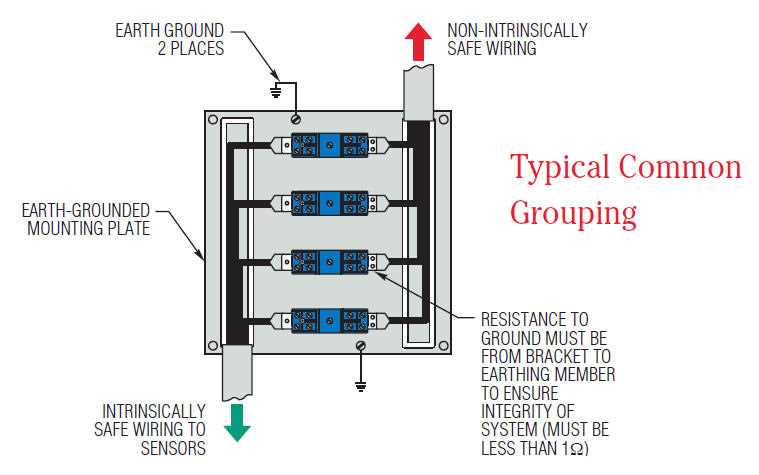
When designing electrical systems for environments with explosive risks, it is vital to ensure the energy used by devices is limited to prevent ignition. Key components include current-limiting resistors, energy-limiting fuses, and specially designed power supplies that ensure no hazardous energy levels can be reached. Careful selection of equipment to meet relevant safety standards like UL, ATEX, or IECEx is crucial in these situations.
To prevent triggering ignition sources, wiring insulation and equipment must be built to withstand environmental factors. Choose materials that are resistant to high temperatures, moisture, and chemicals that could cause degradation over time. Proper selection of cables and connectors is vital, ensuring they are rated for hazardous locations and capable of withstanding the mechanical stresses encountered in such environments.
Another important design aspect is the use of barriers. Safety barriers limit the amount of energy that can be transferred from the control system to hazardous areas, ensuring that no dangerous spark or current flows into the risk zone. These barriers must be selected based on their voltage and current ratings, as well as their ability to maintain safety under fault conditions.
Regular testing and monitoring of the system once installed are critical. This includes verifying that all components remain within the prescribed energy limits, and that no faults develop over time that could compromise the safety measures. A routine maintenance schedule and real-time monitoring can help detect any issues before they escalate into dangerous situations.
How to Select Components for Intrinsically Safe Circuits
When designing electrical systems for hazardous environments, selecting the right components is vital to ensure safety. The first step is to choose components that are rated for use in explosive atmospheres. This involves confirming that all devices comply with relevant certification standards like ATEX, IECEx, or UL. Only components that are explicitly rated for hazardous areas should be used to prevent potential ignition risks.
Start by selecting power sources that limit the maximum energy available to the system. Power supplies should have built-in safety features, such as voltage and current limitations, to ensure they do not exceed the energy levels that could cause ignition. Always opt for power sources that have been tested and certified for use in environments with explosion risks.
Next, choose appropriate resistors, fuses, and circuit protection devices. These components must have energy-limiting characteristics to prevent sparks or excessive heat generation. Resistors should be rated for both voltage and current, while fuses must be designed to withstand fault conditions without causing harm to the system. It is also important that these protection devices are matched to the ratings of the entire system.
For wiring, use cables that are specifically designed to meet the requirements of hazardous areas. These cables must be insulated to withstand environmental stresses, such as high temperatures, chemicals, and moisture. Choose materials that are resistant to aging and deterioration to maintain their safety features over time.
Connector selection is another important step. The connectors must be rated for hazardous areas and capable of ensuring secure electrical contact without the risk of creating sparks. Opt for connectors that are designed to withstand vibration and mechanical stresses found in such environments. Proper sealing of connectors is also necessary to prevent the entry of dust and moisture.
Another key aspect is the use of safety barriers. These barriers limit the amount of electrical energy that can flow into the hazardous area. When selecting barriers, ensure they are properly matched to the maximum voltage and current of the system. It is critical that barriers are regularly inspected to confirm they continue to function as intended.
Choose equipment that includes fail-safe mechanisms and redundancy wherever possible. This ensures that if one component fails, the system will still operate within safe limits. For example, select devices with built-in overcurrent protection, or opt for systems that automatically disconnect in the event of a fault, reducing the risk of sparks or electrical fires.
Finally, verify all components are compatible with each other. Proper integration of the various elements of the system ensures that the entire installation operates as a cohesive and safe unit. Regular testing and maintenance of all selected components are required to detect any potential failures before they can cause hazardous conditions.