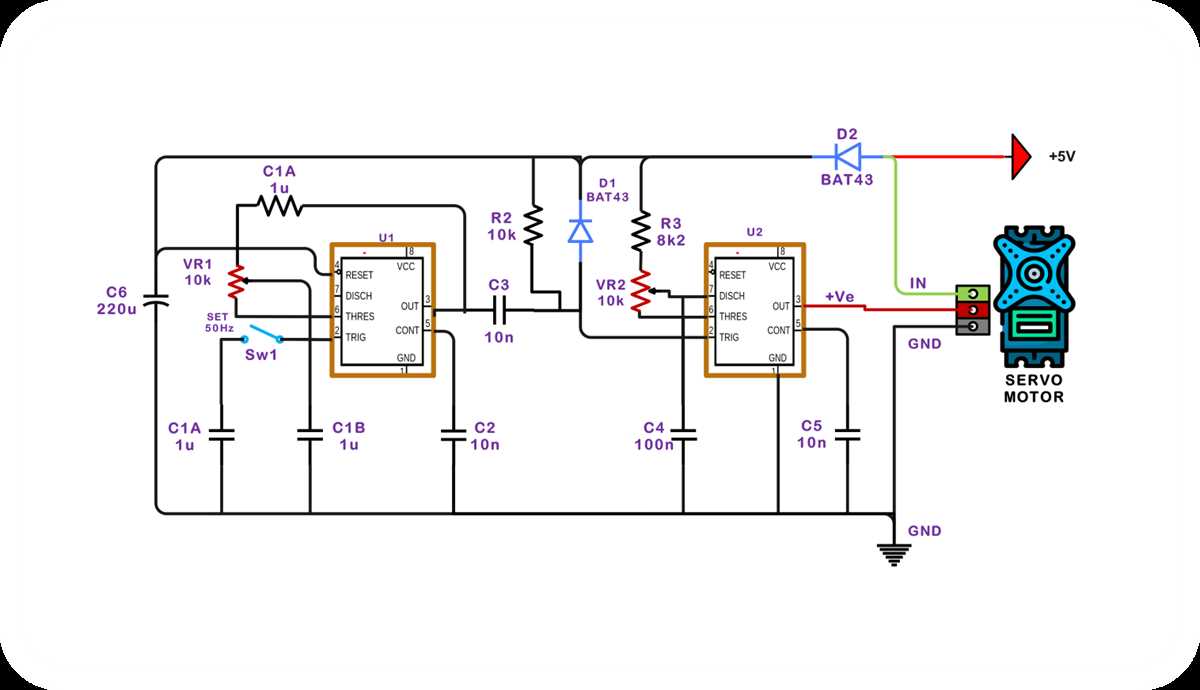
Connect the control lead directly to a stable 5V pulse source and ensure the ground pin is secured to a common reference. Incorrect polarity can immediately damage the actuator, so verify with a multimeter before powering the system.
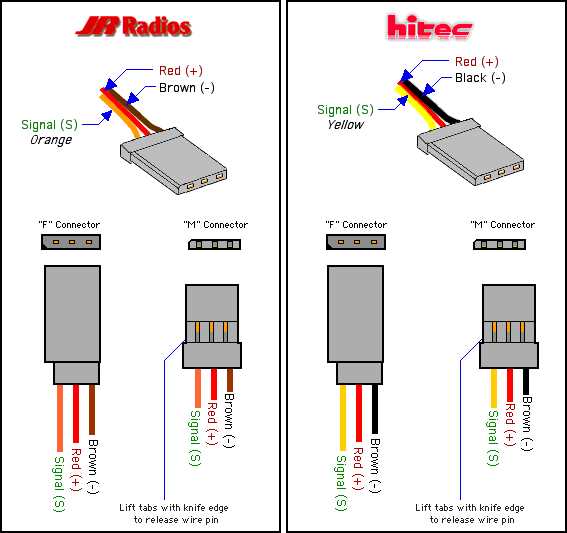
Use short, shielded conductors for signal paths to prevent interference and maintain consistent position feedback. Long or unshielded lines can introduce jitter, causing unpredictable rotations or overshoot in the actuator.
When linking multiple actuators, maintain clear separation between signal and power traces. Parallel power lines must include decoupling capacitors near each unit to prevent voltage dips during high torque movements.
Confirm that the pulse width modulation matches the mechanical range of the device. Adjusting the timing precisely prevents overextension, which can strip gears or stall the motor, and ensures reliable, repeatable positioning for all operations.
Complete Guide to Motorized Actuator Connections and Controls
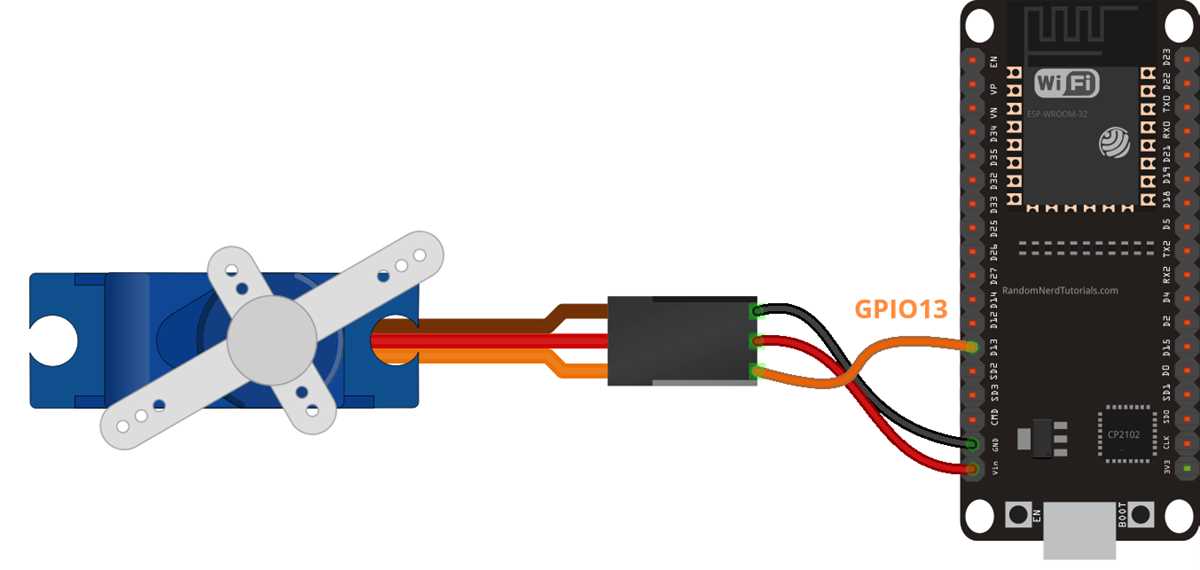
Connect the signal lead to a stable PWM source with precise timing, ensuring the control pin voltage matches the actuator’s specifications. Incorrect voltage can lead to erratic movement or permanent damage, so always measure before activating the system.
Separate power and signal conductors to minimize electromagnetic interference. Twisted pairs or shielded cables improve reliability when multiple actuators are operated simultaneously, and adding small decoupling capacitors near each device stabilizes voltage under load.
Adjust pulse widths carefully to align with mechanical rotation limits. Verify the full range of motion without mechanical obstruction, and confirm repeatable responses under different loads. Calibration ensures smooth operation and prevents gear stripping or stalling during continuous cycles.
Identifying Terminals and Signal Wires for Motorized Actuators
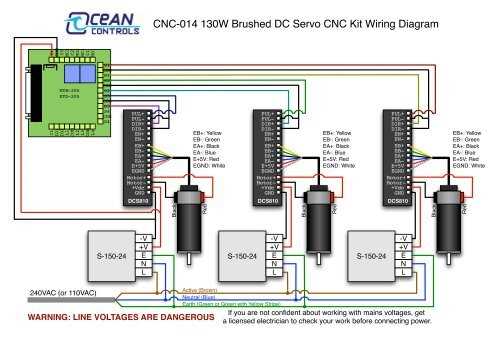
Start by locating the power and ground connections on each actuator. Red leads typically indicate positive supply, while black or brown leads indicate ground. Confirm polarity with a multimeter before connecting to prevent damage to internal electronics.
Identify the control input by tracing the thin wire that differs from the thicker power conductors. This signal line usually accepts a pulse-width modulation input and should not be connected directly to the supply voltage to avoid overcurrent situations.
For multi-lead actuators, mark each terminal clearly and test continuity between connectors and PCB pads. Labeling wires reduces confusion during complex assemblies and ensures consistent responses when multiple units are operated in parallel.
Use a low-voltage test signal to verify proper orientation and response of the moving element. Observe direction and range of rotation carefully, adjusting polarity if the device moves opposite to the intended direction. This step prevents mechanical interference in mounted setups.
Ensure that each control lead is isolated from adjacent high-current traces. Applying ferrite beads or short twisted-pair segments on the signal line can suppress interference and maintain smooth, predictable actuator movements across the entire system.