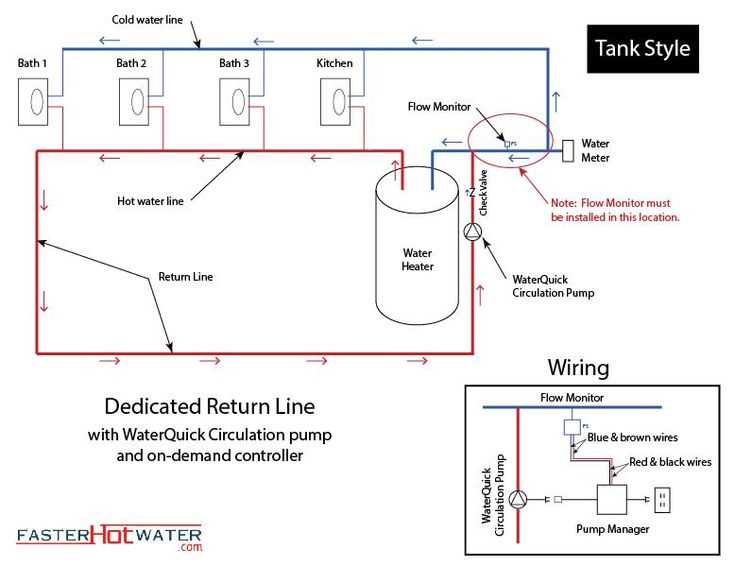
Turn off the main supply before starting any connections. Use a voltage tester to confirm no current is present on all leads and mark each wire to prevent misconnection.
Identify all conductors by color and function. Typically, red or black indicates live lines, white is neutral, and green or bare copper serves as the grounding conductor. Correct identification ensures safe attachment of elements.
Follow manufacturer specifications for terminal placement and load limits. Check amperage ratings, wire gauge, and breaker capacity to prevent overheating or circuit failure.
Secure each connection with proper clamps or screws. Tighten fasteners fully and inspect for corrosion. Loose or damaged connections can cause intermittent operation or pose fire hazards.
Test each section after connecting by briefly restoring power and measuring voltage at multiple points. Look for sparks, unusual heating, or incorrect readings and correct issues immediately.
Step by Step Guide to Connecting Domestic Heating Circuits Safely
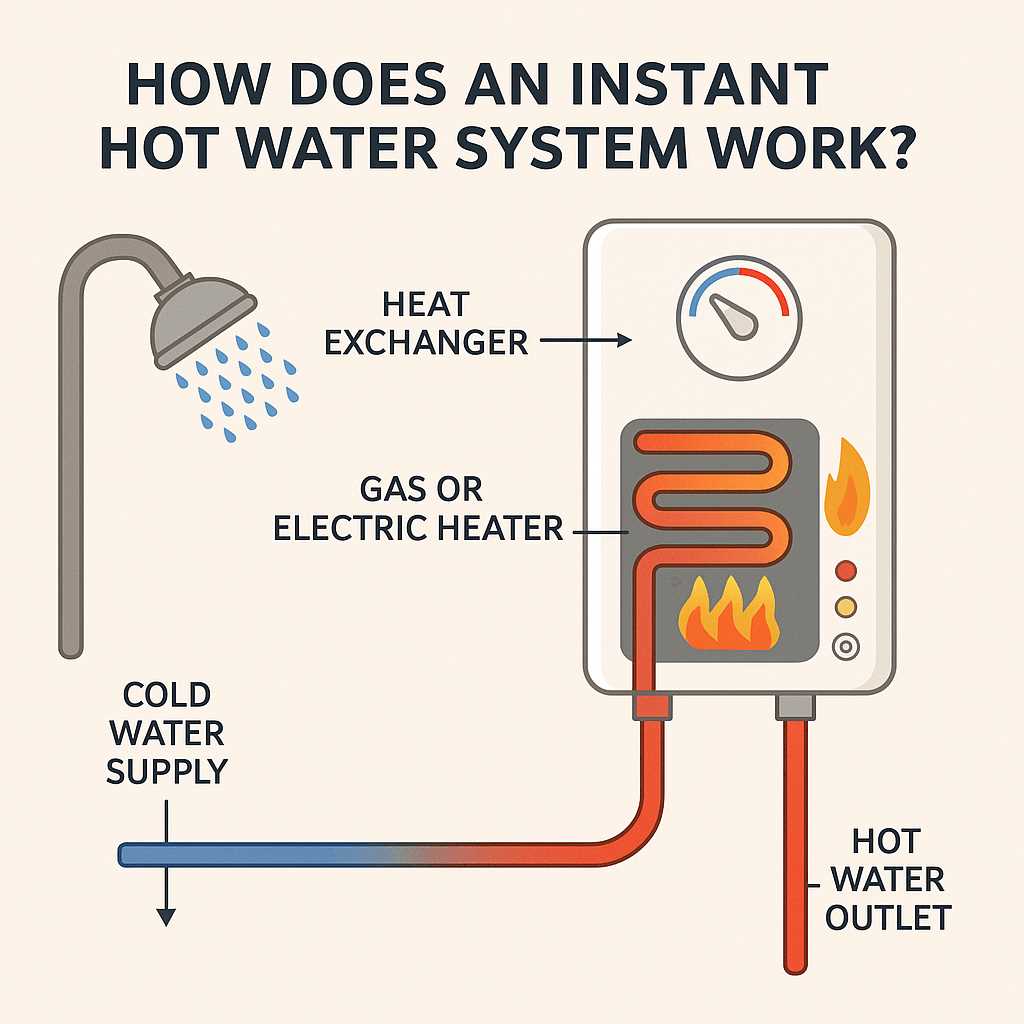
Turn off the main power supply and verify with a voltage tester that all terminals are de-energized. Mark each conductor for easy identification to avoid mistakes during installation.
Sort wires by function and color. Typically, black or red indicates live, white represents neutral, and green or bare copper is the grounding path. Proper identification reduces risk of reverse connections and shorts.
Connecting Single Element Storage Units
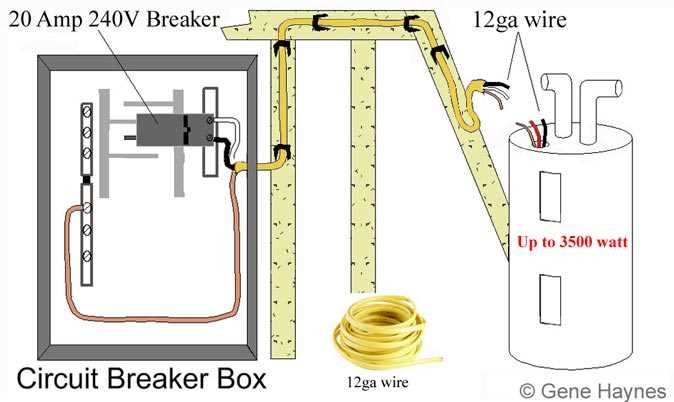
Attach the live lead to the terminal labeled L and the neutral to N. Fasten the ground wire securely to the green terminal. Ensure screw terminals are tight without over-torquing to prevent damage to contacts.
Check component orientation. Align resistive elements, thermostats, and fuses according to manufacturer markings. Reversing polarity can cause malfunction, tripped breakers, or overheating.
Connecting Dual Element Storage Units
Separate upper and lower elements and connect each to its respective thermostat. Verify that live, neutral, and ground paths are continuous and correctly matched to prevent electrical imbalance.
Test continuity and insulation with a multimeter. Ensure no shorts exist between live, neutral, or ground lines, and confirm that insulation on all conductors is intact throughout the installation.
Perform incremental power checks. Restore electricity briefly and monitor voltage at each terminal. Inspect for abnormal heat, sparks, or incorrect readings. Resolve any irregularities before securing panels and final operation.
Identifying Wires and Terminals in Heating Systems
Check the color coding of all conductors before making any connections. Black or red typically carries the live feed, white represents neutral, and green or bare copper is used for grounding. Verify each wire with a multimeter to confirm continuity and prevent accidental miswiring.
Examine terminal markings carefully. Screw-type terminals are labeled with L, N, or G for live, neutral, and ground, while push-in connectors have designated slots. Ensure each wire matches its corresponding terminal and tighten connections securely to maintain reliable operation.