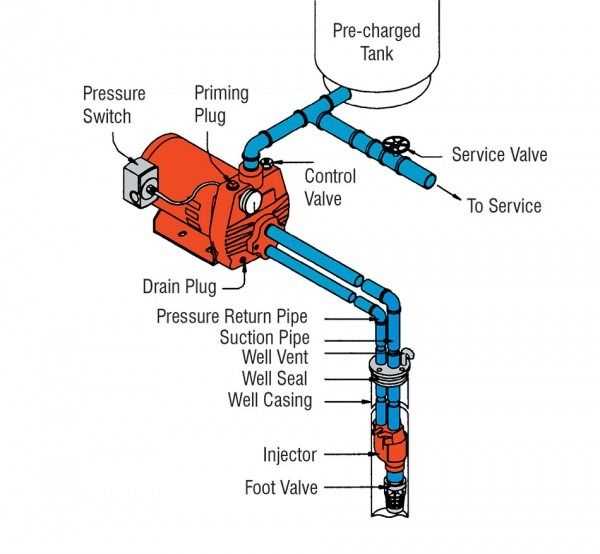
To ensure proper function and efficiency of your pump system, it is important to correctly set up the pressure control device. A key part of this process involves connecting the system’s components, particularly the control that manages when the pump starts and stops based on pressure changes. Carefully following the right sequence and connection steps can prevent malfunction and ensure a longer lifespan for your equipment.
Begin by identifying the primary terminals and the locations where each wire will connect. Typically, there are two main terminals: one for the incoming power and one for the outgoing signal that controls the pump’s operation. It’s critical to secure these connections tightly to avoid any electrical hazards or system errors.
After completing the electrical setup, the next step is to configure the cut-in and cut-out pressure levels on the control. This adjustment is necessary to set the points at which the pump activates and deactivates, based on your system’s needs. Make sure to refer to the manufacturer’s instructions for proper calibration and avoid over-tightening or damaging the pressure-sensitive components.
Finally, test the setup by running the system and verifying the functionality of the pressure control. If everything is working as intended, the system will activate the pump only when the pressure falls below the set level and will turn it off once the upper limit is reached. If there are any irregularities, check all connections and calibration settings again before starting the troubleshooting process.
Pressure Control Installation and Connection Guide
Begin by securely mounting the control device on a stable surface near your pump system, ensuring it is within easy reach for maintenance. Next, connect the two main terminals, ensuring the power supply is correctly linked to the designated input terminal. Use a wire stripper to expose enough wire length for proper connection, and tighten all terminals to avoid loose connections. Afterward, connect the output terminal to the pump’s control relay or motor, ensuring the polarity is correct and the connections are firm.
Once the physical connections are made, set the activation and deactivation points for the system. Adjust the control device’s settings to match the system’s required pressure range. Test the system by turning it on and off manually, checking for correct pressure cycling. If any issues arise, double-check the settings and connections to ensure everything is in order before regular operation. Regularly inspect the setup to maintain its efficiency and avoid potential issues with pressure fluctuations or motor operation.
Understanding the Components of a Pressure Control Device
The key element in a pressure control system is the sensing mechanism, usually a diaphragm or spring-loaded piston. This component detects fluctuations in the fluid’s force, allowing it to trigger or stop the operation of connected systems. It is often housed in a sealed casing to ensure durability and precision in detecting slight changes in pressure. Proper calibration of this part is vital for accurate control of fluid flow.
The electrical contacts, typically made of copper or brass, are the terminals through which power flows to activate and deactivate the motor or pump. These contacts must be corrosion-resistant and capable of handling high voltage to ensure reliability. Over time, the contacts may wear down due to frequent operation, which may cause malfunctioning or improper cycling of the system.
The adjustment knob or screw allows users to manually set the activation and deactivation levels. This feature is critical for fine-tuning the system to work with various fluid pressure levels depending on the application. Adjusting this part too loosely can result in improper operation, while overtightening may hinder the movement of the internal components, reducing the device’s lifespan.
Many systems also incorporate a differential pressure setting. This part establishes the range of acceptable pressure variation before the device activates or shuts off the system. A small differential ensures tight control over system pressure, while a larger range accommodates systems that experience more fluctuation or require less frequent activation.
The casing housing these components is made from durable, weather-resistant materials such as polycarbonate or metal, ensuring the internal parts remain protected from external damage and environmental factors. Proper sealing is necessary to prevent water or dust ingress, which can interfere with the device’s operation and lifespan.
The pressure sensing spring is another vital part. It regulates how sensitive the control system is to changes in pressure. This spring may need periodic adjustment or replacement to maintain the system’s responsiveness. The spring tension directly affects the accuracy of the pressure readings and should be adjusted according to the manufacturer’s specifications.
The system’s electrical relay is a crucial part of the setup. When the pressure reaches the preset value, the relay connects or disconnects the power supply to the motor, ensuring that the pump starts or stops at the right time. This relay should be rated for the electrical load expected in the system, preventing overheating or failure.
Lastly, a pressure relief valve is sometimes incorporated into the assembly to safeguard against excess pressure buildup. This valve opens when the pressure exceeds the safe threshold, preventing damage to the system. Regular maintenance of the valve is recommended to ensure it functions properly and prevents the system from over-pressurizing.