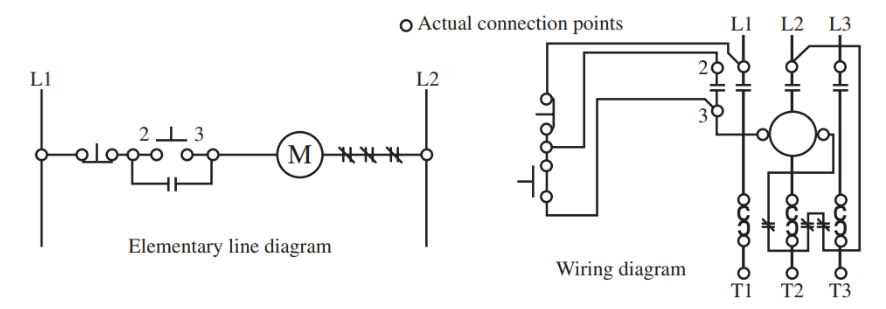
Connect the main service line to a dedicated breaker rated at 20 amps for single-phase circuits or 30 amps for larger loads. Ensure all terminals are tightened to specification to prevent overheating.
Use color-coded conductors to maintain proper identification: black or red for live lines, white for neutral, and green or bare copper for grounding. This simplifies installation and future maintenance.
Install outlets and switches using insulated connectors and verify that each device matches the circuit rating. Secure all boxes to studs or wall anchors to maintain stability.
Test each connection with a multimeter before applying full load. Check voltage, continuity, and grounding integrity to prevent shorts, shocks, or equipment damage.
Home Power Connections and Layouts
Run a dedicated line from the main panel to each room using copper conductors rated for the expected load. For living areas and bedrooms, 15-amp lines are sufficient, while kitchens and laundry rooms require 20-amp circuits.
Install a circuit breaker at the origin of each line to prevent overload. Use a 20-amp breaker for general-purpose outlets and a 30-amp breaker for high-demand appliances. Position the breaker within easy reach.
Use color-coded conductors to distinguish functions: black or red for live wires, white for neutral, and green or bare copper for ground. This reduces installation errors and simplifies future troubleshooting.
Place outlets at standard heights of 12-18 inches above the floor for general use and 42 inches above countertops in kitchens. Ensure spacing does not exceed 12 feet between outlets in living spaces to comply with code standards.
- Secure all junction boxes to studs using screws or nails.
- Maintain proper spacing between high-current and low-current lines to avoid interference.
- Use insulated connectors and strain reliefs where wires enter boxes.
Install switches for lighting circuits at convenient locations near room entrances. Use single-pole switches for standard lights and three-way switches for corridors or large rooms requiring multiple control points.
Label each circuit on the panel and at the outlet boxes with permanent tags or stickers. Include amperage ratings and room assignments for easy identification during maintenance or upgrades.
Test each line before energizing the full system. Verify continuity, voltage, and grounding with a multimeter to prevent shorts, shocks, or appliance damage.
Connecting Main Power Lines and Breakers Safely
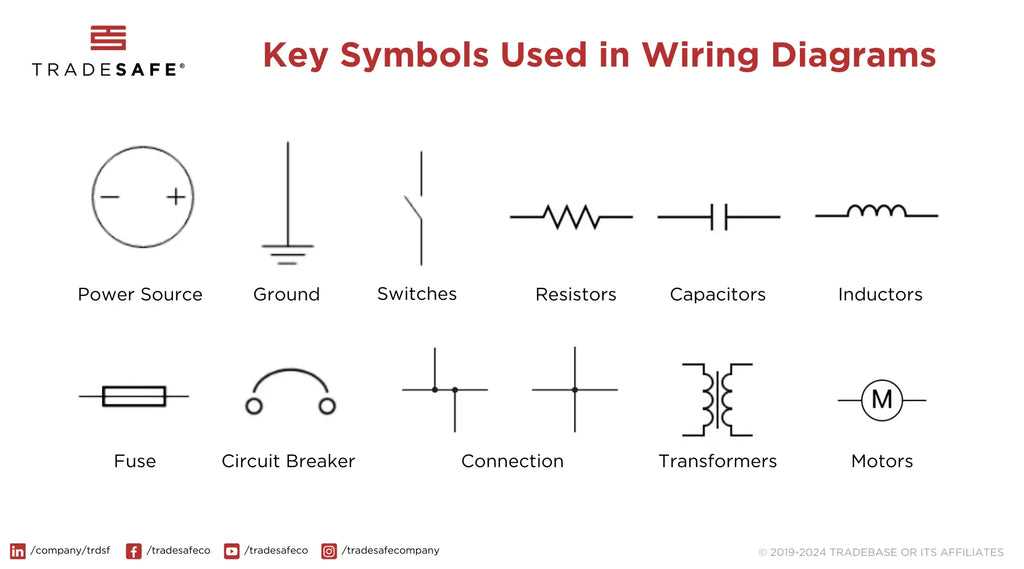
Run a dedicated line from the service panel to each branch circuit using copper conductors rated for the expected load. Use 12 AWG for 20-amp circuits and 10 AWG for 30-amp lines to maintain voltage stability and prevent overheating.
Install a correctly rated circuit breaker at the start of each line. Ensure the breaker matches the conductor size and the load requirement. A tight fit in the panel prevents arcing and maintains reliable contact under high current.
Terminal Connections
Tighten all screws securely on the breaker terminals and neutral bar. Apply dielectric grease if recommended by the manufacturer to reduce corrosion and maintain long-term conductivity.
Testing and Verification
Verify connections before energizing by measuring continuity and resistance with a multimeter. Ensure proper grounding and confirm that live and neutral lines are correctly positioned to avoid shorts, shocks, or equipment damage.