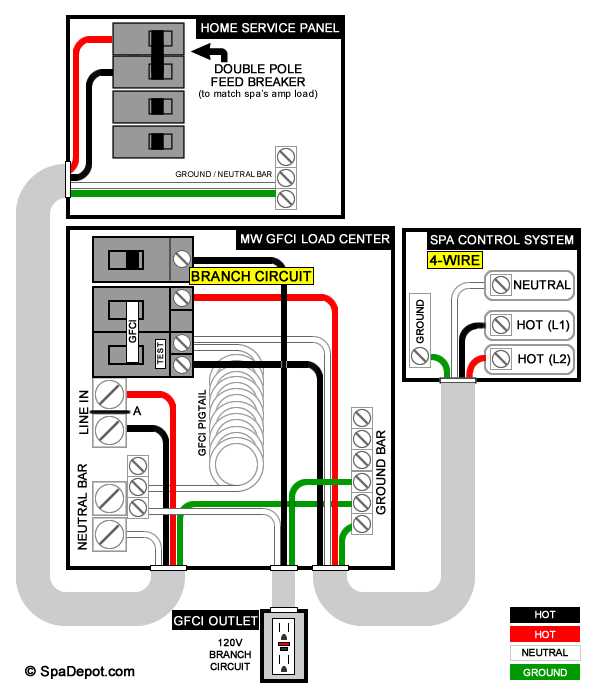
Attach the two hot leads to separate terminals designed for high voltage. Ensure the black and red wires are fully inserted and tightened. Loose connections can cause arcing or trips.
Connect the neutral conductor to the silver terminal and the green or bare copper wire to the ground lug. Verify all connections are clean and free of corrosion. Contaminated terminals reduce contact reliability and increase resistance.
Use a multimeter to measure voltage across each hot lead to neutral and across both hots. Expect 120 volts from each hot to neutral and 240 volts between the two hots. This confirms correct polarity and prevents equipment damage.
Secure conductors inside the panel using strain relief clamps. Avoid sharp bends that could damage insulation. Proper mechanical support prevents wires from loosening over time.
Label each lead and terminal clearly to match the panel layout. Mark hot, neutral, and ground connections with tags or permanent markers. This simplifies future maintenance and reduces miswiring risk.
240 Volt Electrical Panel Connection
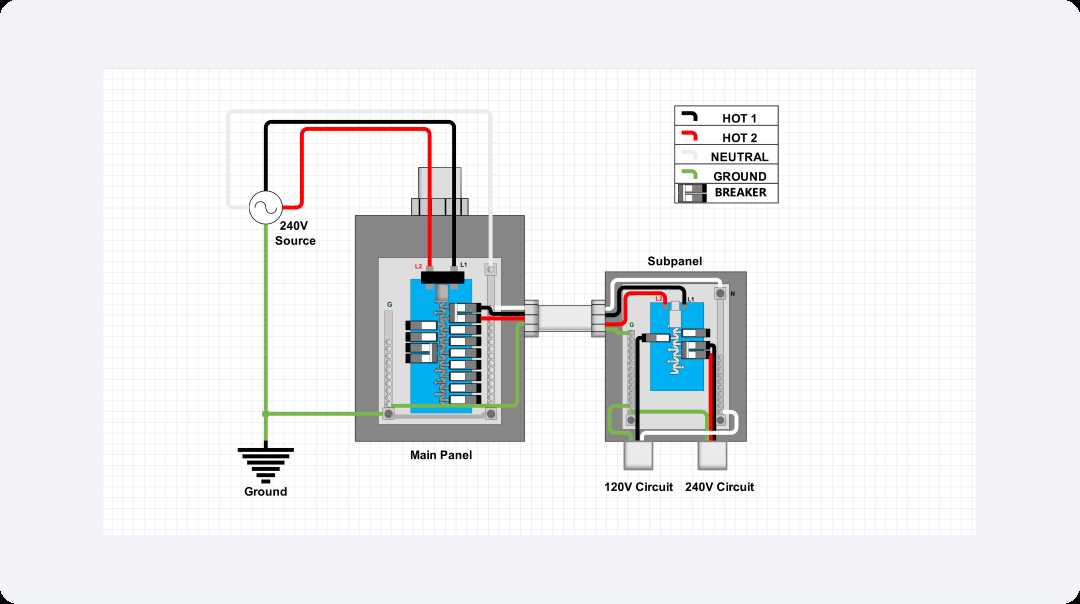
Attach the two hot conductors to the designated terminals and tighten securely. Black and red leads carry full voltage and must be seated properly. Loose connections can generate heat and cause trips.
Connect the neutral wire to the silver-colored terminal and the green or bare copper to the ground lug. Check all screws for proper torque and ensure no insulation is pinched. Proper grounding protects against electrical shock and equipment damage.
Use a multimeter to confirm 120 volts between each hot lead and neutral and 240 volts across both hots. Verify continuity of the grounding conductor before powering the panel. Testing before operation ensures safe installation and prevents faults.
Identifying Hot Neutral and Ground Conductors
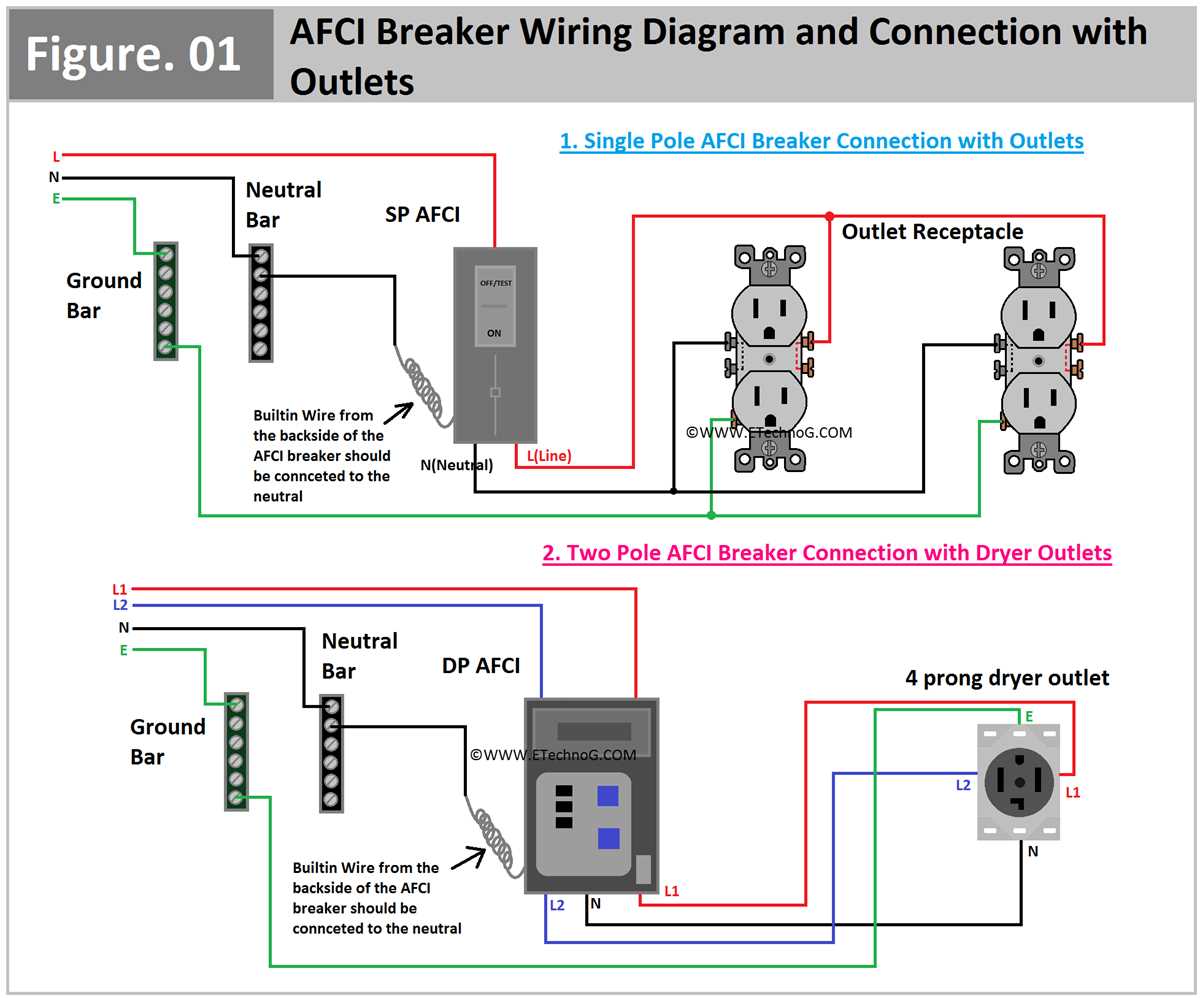
Use color coding to identify each conductor before making connections. Black and red wires serve as the two live legs, white is neutral, and green or bare copper functions as the grounding path. Label each conductor clearly to prevent accidental swapping during installation.
Verify the insulation markings and measure with a multimeter if necessary. Check voltage between each live conductor and neutral to confirm proper identification, and test continuity of the ground wire. Accurate identification ensures safe operation and protects equipment from short circuits or shock hazards.