
Ensure each conductor is correctly identified before making any connections. Red and black leads carry 240 volts and should attach to the matching terminals on the unit. White or neutral must be connected to the center terminal, while the green or bare ground wire links to the frame for safety.
Check the terminal block for secure screws and no signs of corrosion. Loose attachments can cause sparks or overheating, so tighten each connection until snug but avoid over-torquing which can strip threads. Using a voltage tester before turning the power on confirms that each line is correctly routed.
After installation, run a short test cycle to verify proper function. Listen for unusual noises and ensure heating elements activate as expected. If performance issues appear, recheck each lead for firm contact and correct placement. Labeling each cable can prevent errors during future maintenance or replacements.
Four-Wire Appliance Connection with Step-by-Step Instructions for Safety
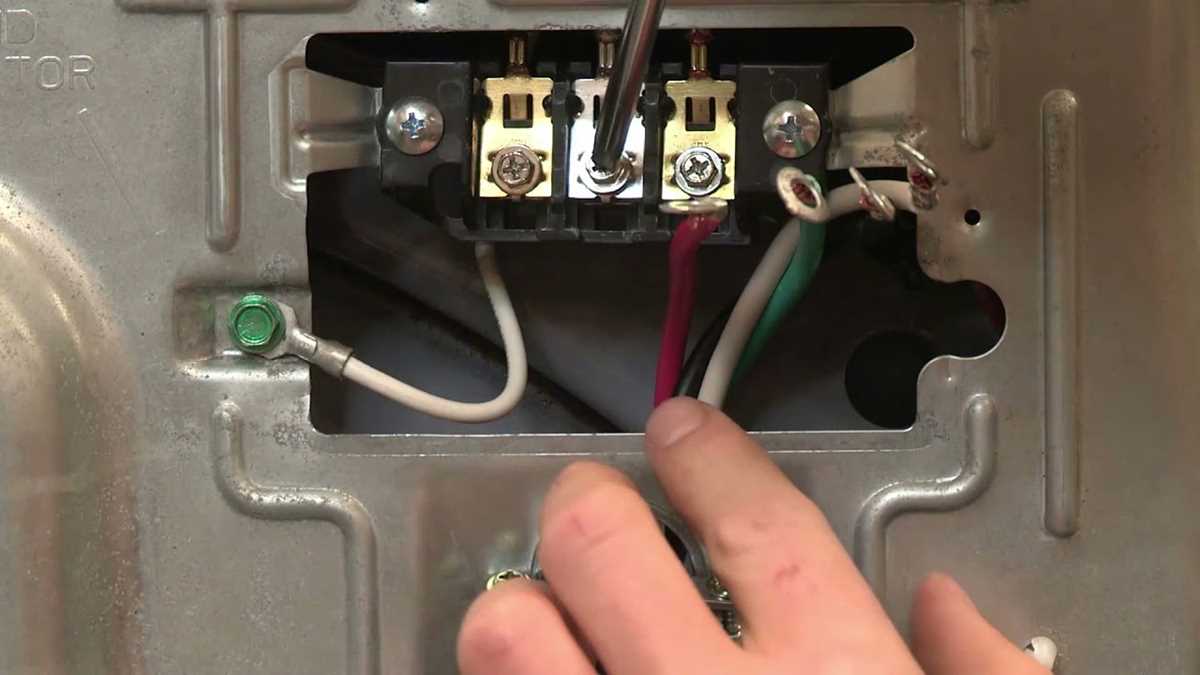
Connect the unit using the correct sequence of leads to prevent electrical faults. Two hot wires must attach to the outer terminals, neutral to the center, and the ground conductor to the chassis screw. Verify each wire is stripped to about ½ inch to ensure solid contact.
Follow these steps for a secure installation:
- Turn off power at the breaker panel.
- Remove the back access panel to reach the terminal block.
- Identify each cable by color: red, black, white, and green/bare.
- Insert each wire into its matching terminal and tighten screws firmly.
- Double-check connections for tightness and correct placement.
Inspect the terminal block for signs of wear or oxidation. Clean terminals with a wire brush if necessary. Avoid bending leads excessively, as this can loosen connections and increase resistance, causing heat buildup during operation.
Once all leads are secured, replace the access panel and restore power. Use a multimeter to confirm proper voltage across the outer terminals and continuity between neutral and ground. This test ensures the circuit is complete and safe before full operation.
During the first few cycles, observe for unusual sparks, humming, or overheating. Label each cable inside the panel for future reference. Regular inspection of these connections prevents faults and extends the appliance’s service life.
Identifying Each Conductor and Its Role in a Four-Wire Setup
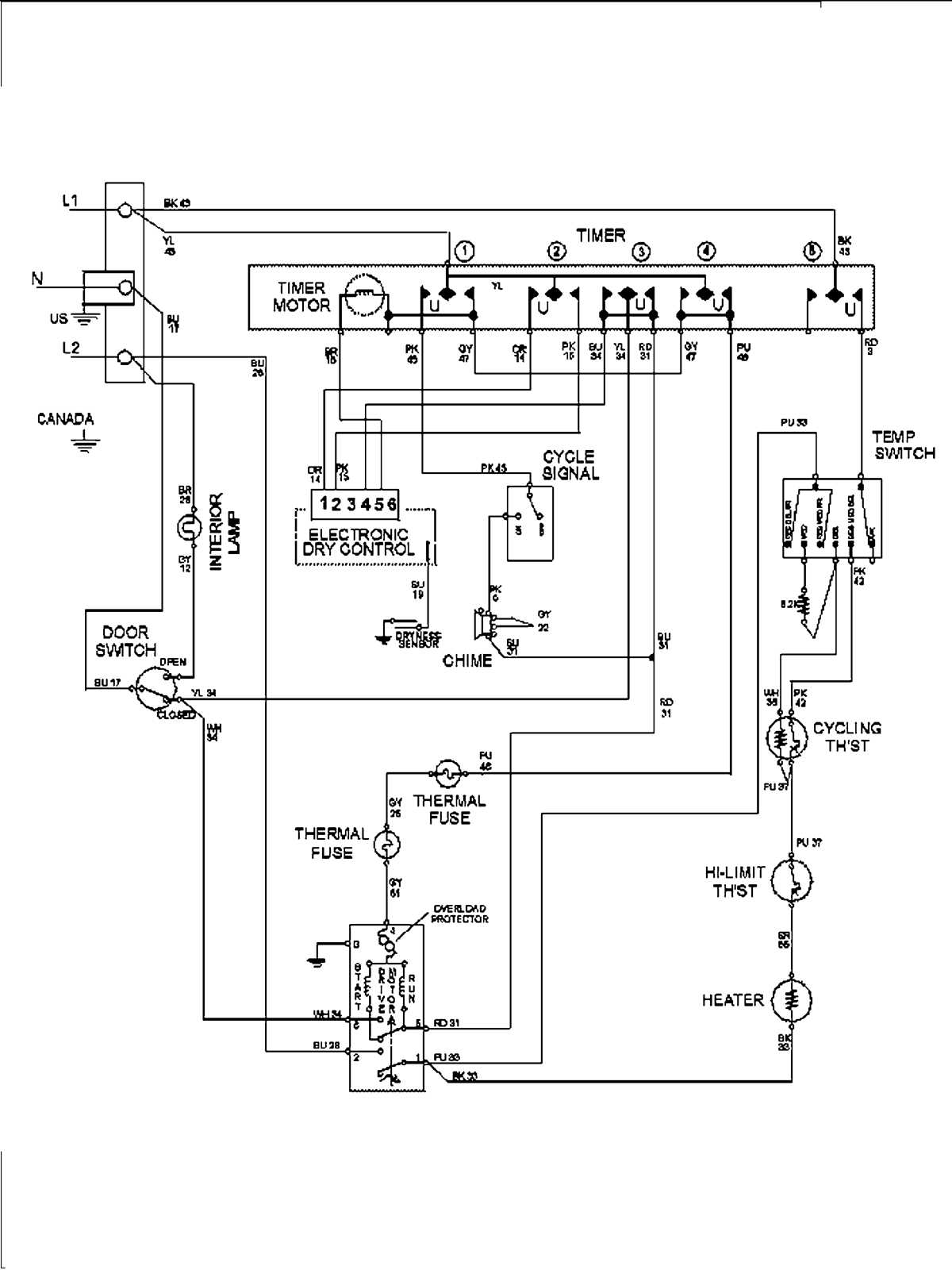
Connect red and black leads to the outer terminals; these carry the main voltage for the heating elements. White cable must attach to the center terminal as the neutral return path, and green or bare copper secures to the frame to prevent shock hazards.
Check that each wire is properly stripped and free of frayed ends. Red and black lines should not touch each other or the chassis. Use a torque of about 6–8 in-lbs for terminal screws to maintain contact without damaging the conductor.
Labeling each conductor before connecting helps avoid mistakes. Misplacing the neutral or ground can cause sparks or malfunction during operation. Keep cables straight and avoid looping around screws, which can loosen under vibration.
After installation, use a voltage tester to confirm the hot lines carry 240 volts and that neutral and ground are continuous. Testing continuity ensures that the return path is secure and the protective ground is effective before powering the unit fully.