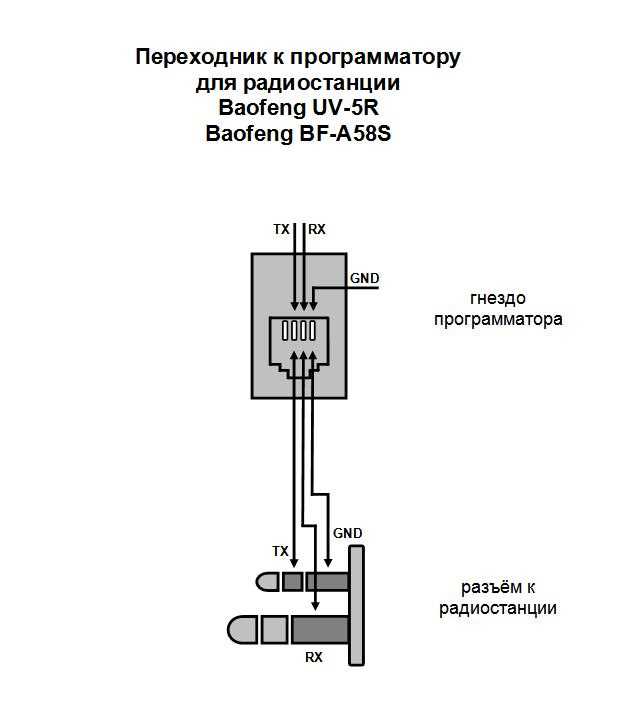
Check the voltage regulators first when examining the portable transceiver’s internal layout. Accurate identification of power supply tracks prevents component damage during repairs and ensures stable operation under load. Use a multimeter to verify input and output readings before soldering any replacements.
Follow the audio and RF pathways carefully to understand signal flow from the microphone to the antenna. Mapping these tracks allows you to locate filters, amplifiers, and mixers, which can be critical for diagnosing reception issues or distorted transmissions. Highlighting these connections with colored markers helps avoid misidentification.
Inspect solder joints and connectors on the main board for cold joints or corrosion, especially near high-current sections. Regular wear often causes intermittent failures that mimic component malfunctions. Cleaning contacts and reflowing weak connections restores proper communication between modules.
Document component values and positions before making any modifications. Resistors, capacitors, and inductors often have tight tolerances, and incorrect replacements can shift frequency response or reduce output power. Photographing the board or creating a quick reference chart saves time during reassembly.
Handheld Transceiver Internal Layout Guide
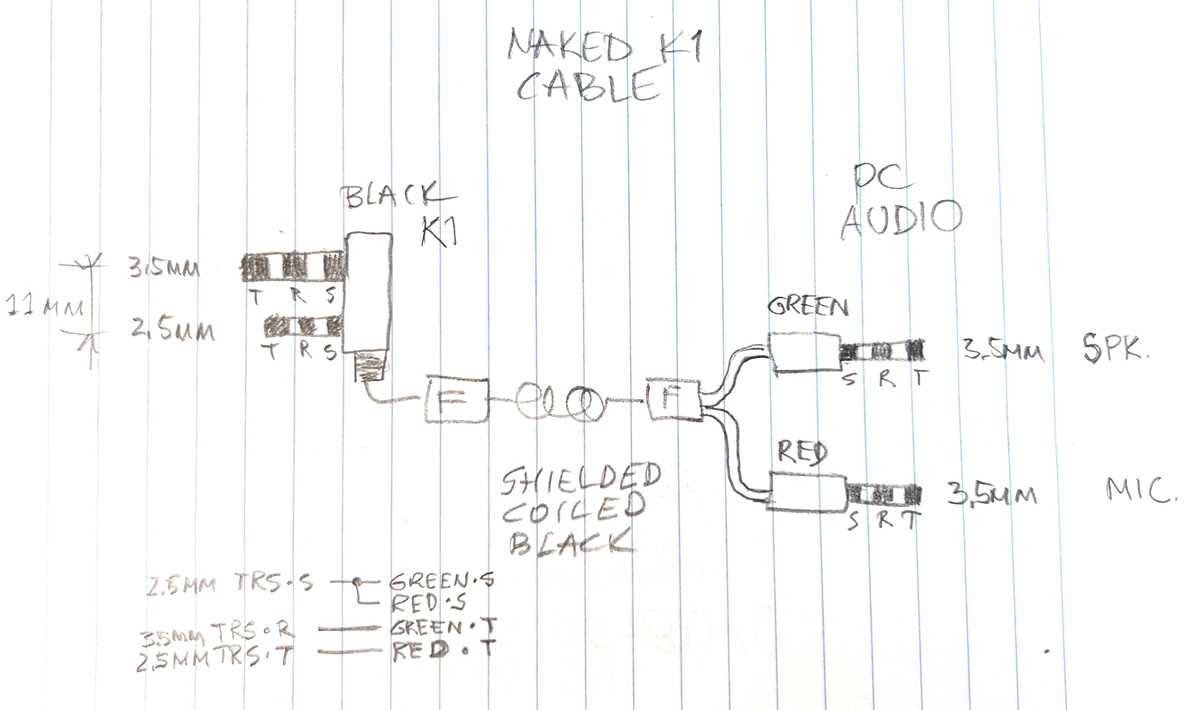
Verify power rails and ground planes before testing signal modules. Use a digital multimeter to check continuity across the board, focusing on voltage regulators and decoupling capacitors. Proper identification prevents accidental shorts and helps isolate defective sections that may cause weak transmission or unstable reception.
Trace audio and RF signal paths from input to output to locate filters, amplifiers, and mixers. Label components like inductors, diodes, and capacitors with their values and positions to simplify troubleshooting. Small discrepancies in component ratings can alter frequency response or reduce output efficiency, so careful inspection and measurement are necessary before replacement or modification.
Understanding the Power Supply and Battery Connections
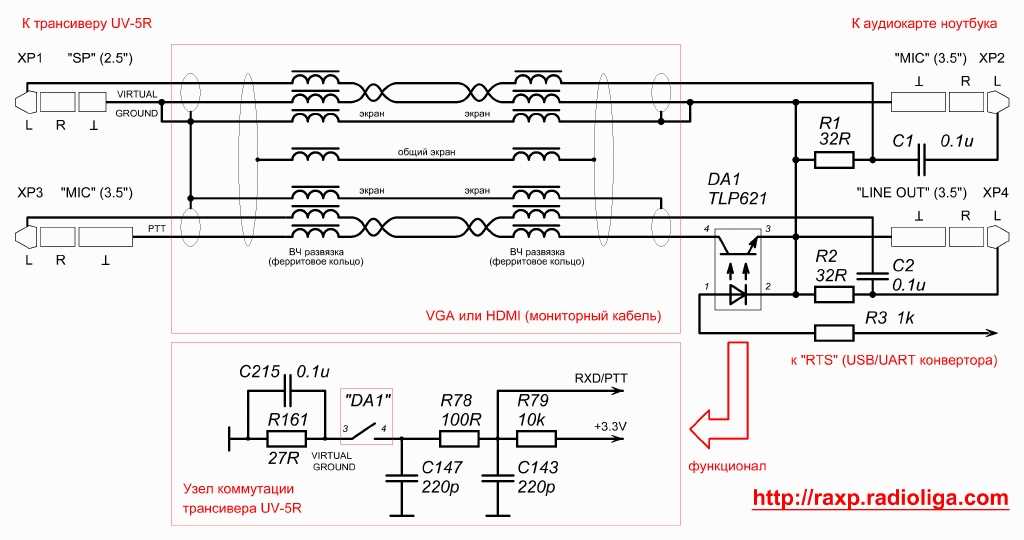
Test the voltage regulators first before applying power to any module. Measure the input and output of each regulator to confirm they maintain proper levels under load. A drop below 7.4V on the main rail can cause unstable operation or trigger automatic shutdown.
Inspect battery terminals for corrosion or loose connections. Even slight oxidation increases resistance, which can reduce current delivery and affect transmission power. Clean contacts with isopropyl alcohol and ensure springs and clips are properly seated.
- Check polarity markings on the board before connecting the power source.
- Verify that the charging circuit receives consistent voltage from external adapters.
- Ensure that bypass capacitors near regulators are intact to prevent voltage spikes.
Measure the current draw at idle and during transmission bursts. Values significantly above the expected range may indicate shorted components or weak cells. Replacing low-capacity cells restores consistent voltage and prevents voltage sag during high-demand periods.
Tracing the Main Power Path
- Locate the main positive rail from the battery connector to the voltage regulator.
- Follow traces to filter capacitors and fuses that protect sensitive modules.
- Inspect solder joints for cracks, especially on high-current tracks.
Use a thermal camera or temperature probe to detect hot spots along power traces. Excessive heat at any point can signal resistance buildup or failing components. Targeted repairs prevent further damage and extend operational life.
Confirm the secondary voltage lines feeding audio and RF sections. Small voltage drops across these paths can distort signals or reduce output. Check series resistors and decoupling capacitors to ensure they meet design specifications.
Maintain a reference log of measured voltages and currents before and after repairs. This allows comparison during future troubleshooting and helps verify that battery replacement, regulator swaps, or connector adjustments restored proper functionality.