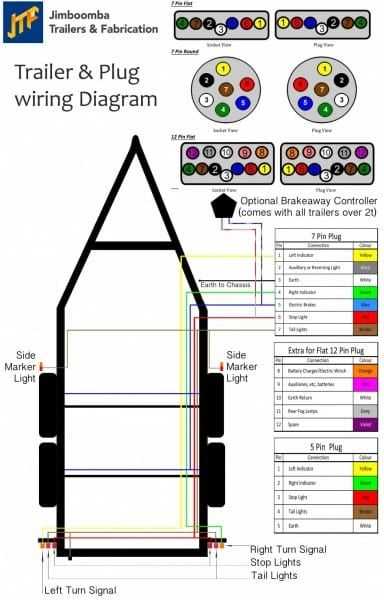
To successfully connect your vehicle to a towing system, you must follow the correct wiring sequence. Start by ensuring that each wire is securely attached to its designated terminal. For standard setups, the color codes are usually consistent, so make sure you’re matching each wire to its corresponding socket. This step is critical to ensure that all functions, such as brake lights and turn signals, work without issue.
When dealing with a 5-wire setup, the specific functions include the left turn signal, right turn signal, brake lights, ground, and auxiliary power. It’s important to confirm the layout before you begin installation to avoid any miswiring. A test light or a multimeter can help you verify that the connections are functioning properly.
Pay close attention to the ground wire. A poor ground connection can lead to intermittent issues or failure of the electrical system. Always clean the contact points thoroughly before securing the ground wire. This small detail is often overlooked, but it’s crucial for the overall performance and reliability of the towing connection.
5 Pin Setup for Proper Vehicle and Towing System Connection
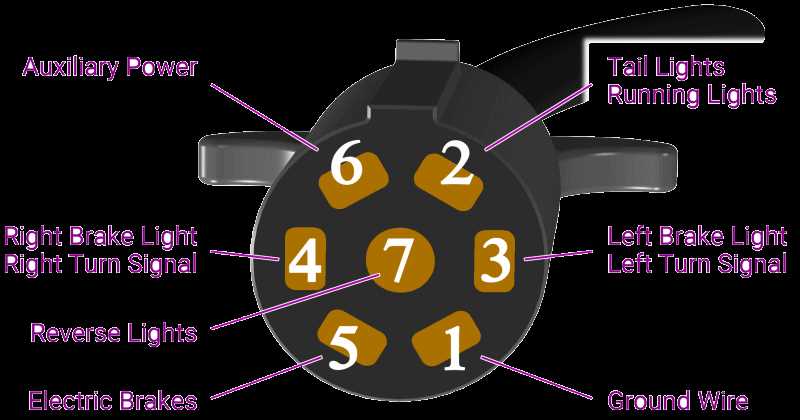
When connecting a vehicle to a towing system, ensure that each of the five wires is securely attached to the correct terminal. Typically, the color coding follows a standard pattern: brown for tail lights, yellow for the left turn signal, green for the right turn signal, white for ground, and blue for brake lights or auxiliary power. Double-check that the wires are firmly connected, as loose connections can lead to malfunctioning lights or power issues.
Before testing the setup, make sure the ground wire is securely attached to a clean, bare metal surface. This is the most common source of connection issues and should not be overlooked. After completing the setup, verify the correct operation of each function using a test light. If something isn’t working, inspect the individual wires for proper installation and secure connections. A good ground connection is key to the reliable operation of all components.
Understanding the Components of a 5 Pin Towing System Setup
The first component to understand in a 5-wire system is the ground connection. It serves as the return path for the electrical current, completing the circuit. Ensure that the ground wire is attached securely to a clean, unpainted metal surface on the vehicle. A poor ground connection can lead to malfunctioning lights or intermittent failures.
The second wire in the setup controls the left turn signal. This wire is typically yellow and connects to the corresponding terminal on both the vehicle and towing system. A malfunction in this wire will cause the left turn signal to fail, so make sure it’s properly secured and free of damage.
The third component is the right turn signal wire, usually green. Like the left turn signal, this wire ensures the proper function of the right turn indicator. It’s crucial to check for any kinks or frays that might affect performance, especially under harsh conditions like wet weather or heavy use.
The fourth wire is responsible for brake lights. It’s generally blue or red in color and carries the signal from the vehicle’s brake light system to the towing equipment. A failure in this wire can result in the braking system not communicating correctly, which is a safety hazard on the road.
The fifth component is auxiliary power, which is typically used to supply power for additional functions, like a brake controller or a charging system for a battery mounted on the towing system. This wire is usually blue but can sometimes vary depending on the manufacturer. Always verify its proper connection to ensure reliable power delivery to any additional devices.
One of the most common mistakes when setting up a 5-wire system is mismatching the wires. Always refer to the color codes provided by the manufacturer to avoid errors. Using a multimeter or test light can help you verify each wire’s function before securing the connectors permanently.
Once all connections are made, test the setup thoroughly. Check that each light, turn signal, and brake light operates correctly, and ensure that auxiliary functions work as expected. Proper maintenance and periodic checks of the connections will help keep the system functioning smoothly over time.