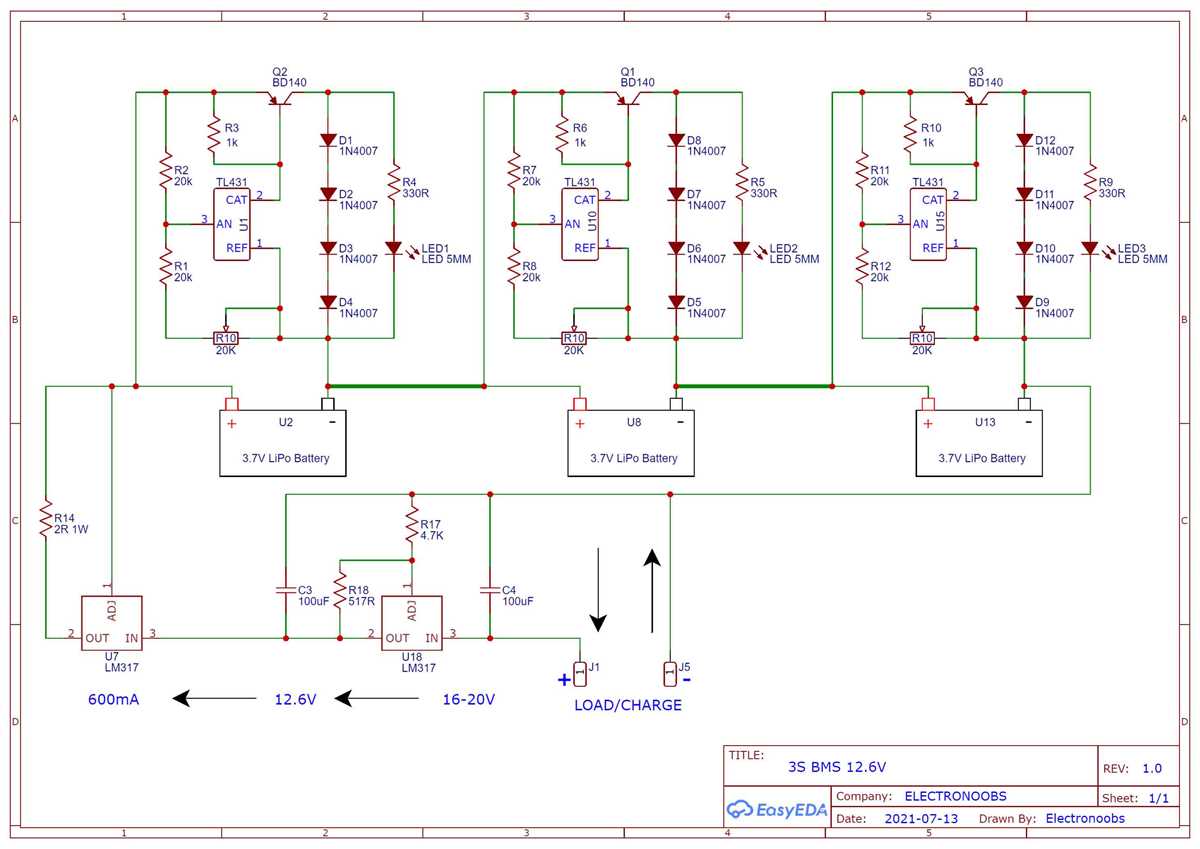
Start by examining the layout of the battery protection module to ensure safe charging and discharging of lithium cells. Accurate wiring and component placement reduce the risk of overvoltage or deep discharge, which can compromise longevity and safety. Use precise measurements for each cell connection to maintain balanced energy distribution across the stack.
Focus on the monitoring pathways and voltage sensing points to track individual cell conditions. Integrating thermal sensors at critical junctions allows the system to react to overheating promptly. Choosing components with proper current ratings prevents unexpected failures and supports steady operation under varying loads.
Incorporate protective switches and fuses strategically to safeguard against short circuits and current surges. Clear labeling of positive and negative terminals simplifies assembly and troubleshooting, while compact board design enhances space efficiency without sacrificing reliability. Regular inspection of connections ensures stable performance over multiple charge cycles.
Consider communication lines and signal pathways for external monitoring or integration with control units. Proper routing minimizes interference and ensures accurate data transmission. Using robust connectors and soldering techniques maintains system integrity in mobile or high-vibration applications.
Optimize the layout for modularity so individual cells or submodules can be replaced without disassembling the entire setup. This approach reduces maintenance time and extends the operational lifespan of the energy storage system while maintaining consistent performance across all modules.
Comprehensive Guide to Understanding Li Ion BMS Circuit Diagram
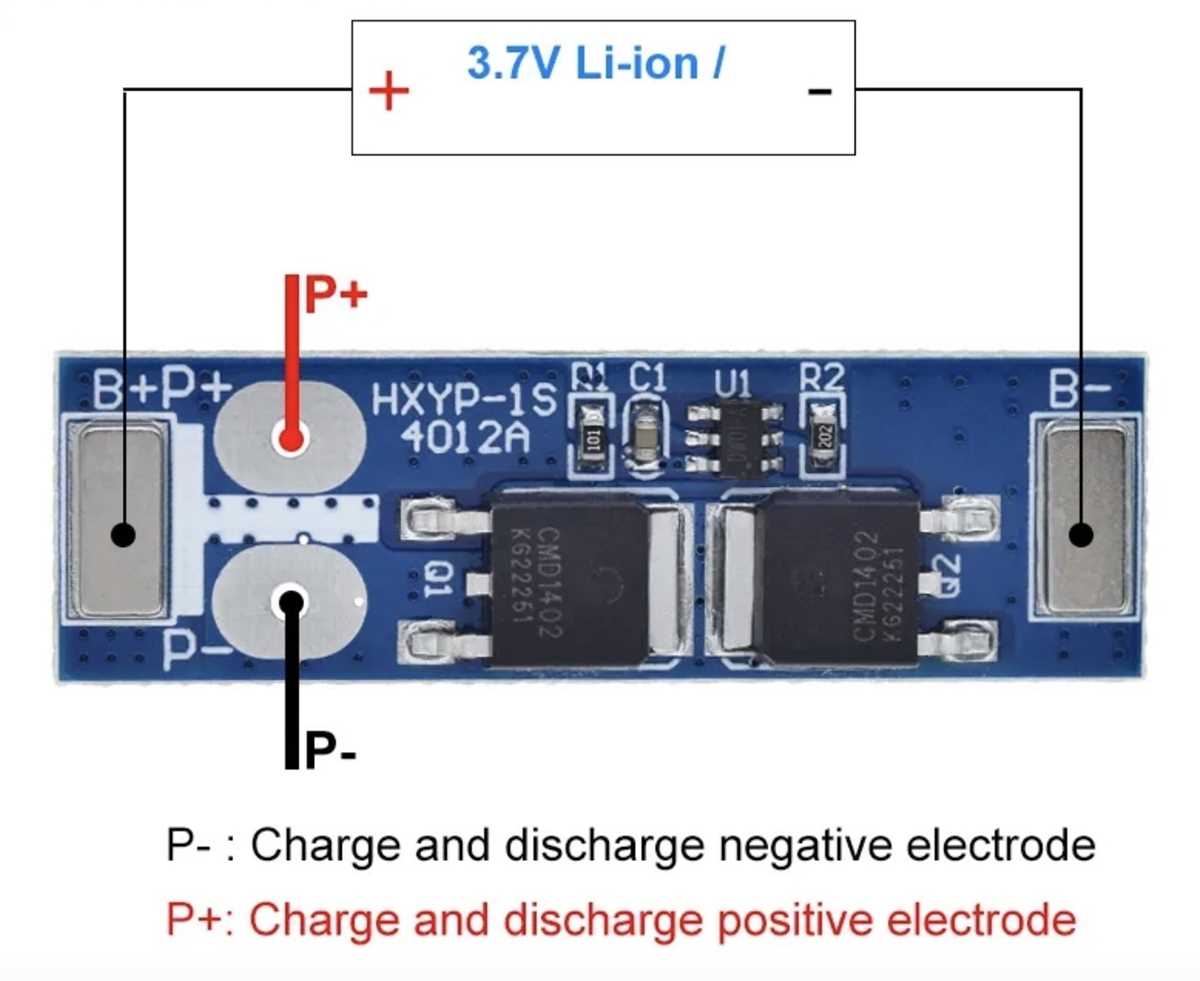
For accurate configuration of a rechargeable cell management system, begin by identifying the balancing resistors and voltage monitoring pathways. Ensure that each cell connector aligns with the protective IC terminals, as incorrect attachment can lead to overvoltage or deep discharge conditions. Incorporate temperature sensors close to the heat-generating areas to enable precise thermal regulation, and confirm the correct placement of MOSFETs for safe current control. This layout supports consistent charge distribution and prevents premature wear of the storage modules.
Analyzing the control network involves tracing the power flow through series and parallel connections while noting the feedback loops for cutoff and recovery operations. Use multimeter verification for continuity across protection points, and observe the signal pathways from the central microcontroller to the switching elements. Adjust the reference voltage on the sensing circuits to match the intended voltage thresholds of the storage cells. Such meticulous inspection minimizes the risk of imbalance and enhances the longevity of the energy storage assembly.
Step-by-Step Layout of a Typical Li Ion Battery Management Assembly
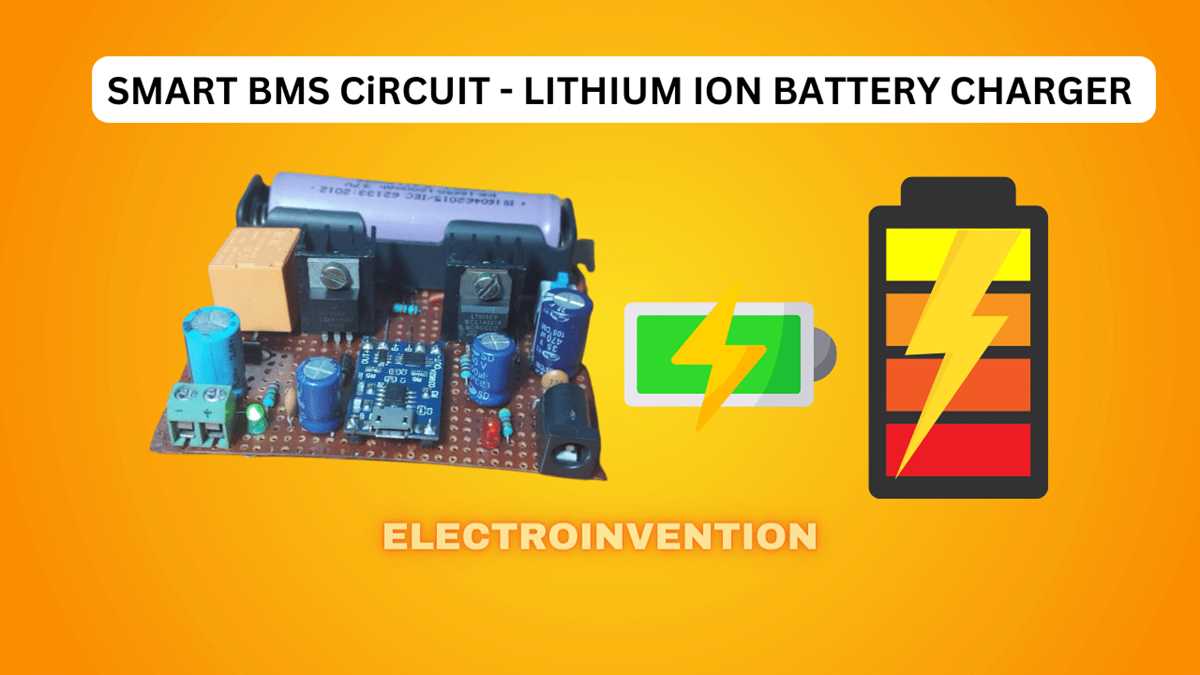
Begin with the placement of the main power cells, arranging them in series or parallel depending on the target voltage and capacity. Ensure each cell is securely mounted and electrically isolated to prevent shorts.
Install sensing modules next, positioning voltage and temperature monitoring components close to each power element. This guarantees accurate measurements and timely response to anomalies.
Connect the balancing network, which equalizes charge levels across all units. Use precise resistance values for the shunt paths to maintain uniform voltage distribution during charging cycles.
Integrate the protection switches, including MOSFETs or relays, between the load and the power stack. This setup prevents overcurrent or short-circuit conditions and allows safe disconnection when thresholds are exceeded.
- Attach the control microchip to the monitoring lines, ensuring each input receives stable signals.
- Route the output paths to both charging and discharging terminals with minimal resistance.
- Include bypass capacitors near high-speed switching elements to suppress voltage spikes.
Verify thermal management by placing heat sinks or thermal pads on components prone to high temperatures. Proper airflow or conduction paths reduce risk of degradation and maintain operational stability.
Finalize with continuity tests and simulated charge/discharge cycles. Confirm that each protective feature activates correctly and that all sensing channels relay accurate data before deployment.