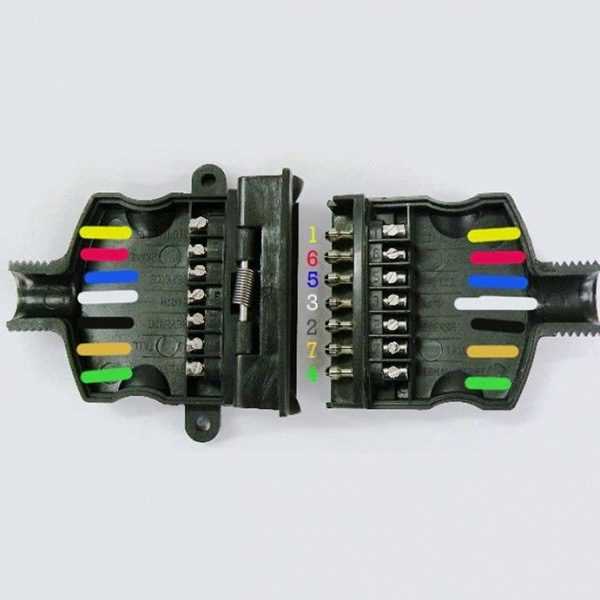
To ensure that your vehicle’s electrical system is properly connected, you need to follow the correct sequence when installing electrical components. Each wire plays a specific role, whether it’s powering the lights, brakes, or other essential functions. Identifying and understanding the color codes used for these connections can make installation or troubleshooting a lot easier.
Start by verifying the basic connections: the ground wire, the brake light wire, the turn signal, and the tail light. Each of these must be connected to the corresponding terminal on the plug. For vehicles with more complex systems, pay special attention to the additional connectors that might be needed for features like reverse lights or auxiliary power.
Using the right color-coded wires ensures that each function operates correctly. Misconnecting wires can lead to malfunctioning lights or, in worst cases, electrical shorts. Ensure each wire is stripped carefully and that the connection is tight and secure to avoid any power loss or failure during operation.
Wiring Setup for Towing Equipment
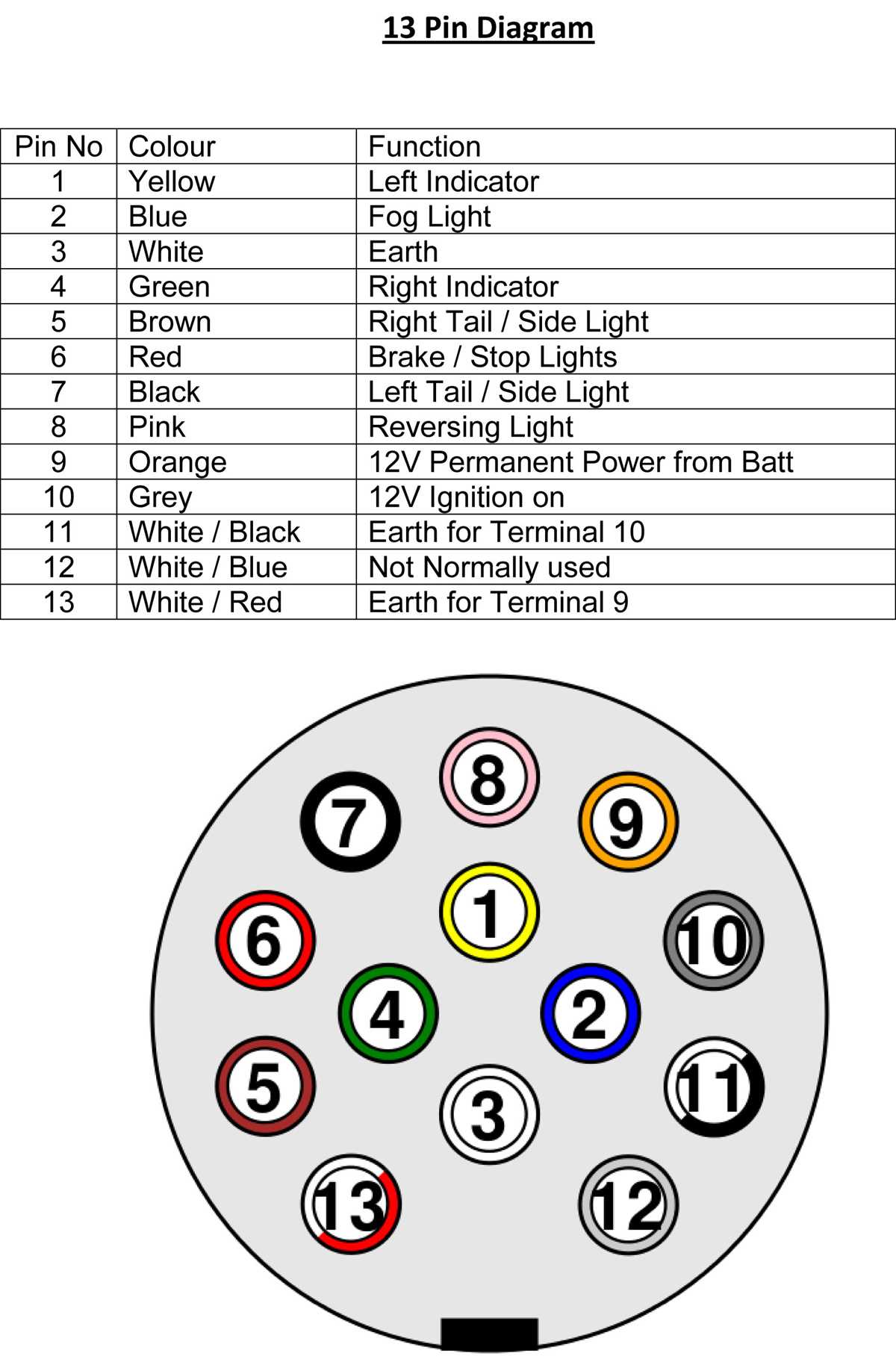
To ensure proper function, begin by connecting the power and ground wires between the tow vehicle and the accessory unit. The ground wire should be securely attached to a clean, unpainted metal surface to ensure an effective connection. Next, connect the left and right turn signal wires, followed by the brake light and tail light wires. Each color typically corresponds to a specific function: brown for tail lights, yellow for left turn signals, green for right turn signals, and red for brake lights. Double-check that all wires are insulated properly to prevent shorts or malfunctions.
Once the wires are connected, test the connections by activating each function one at a time, including left and right turn signals, brake lights, and tail lights. If any of the lights do not work, recheck the connections, paying close attention to the color-coding of the wires. If the system involves more complex features, like reverse lights or auxiliary power, verify these connections against the vehicle’s user manual. Always use waterproof connectors for durability, especially in areas exposed to moisture.
Understanding the Basic Setup for Towing Connections
Start by familiarizing yourself with the basic functions you need to connect between the vehicle and the attached unit. The primary connections include the left and right indicators, brake lights, and running lights. Each of these connections corresponds to a color-coded wire: typically, brown for running lights, yellow for the left turn signal, green for the right turn signal, and red for the brake lights. These wires must be properly connected to ensure each function operates correctly.
For grounding, it’s important to use a solid and clean metal surface for the ground wire. This ensures the proper flow of electricity back to the vehicle’s electrical system, preventing power loss or malfunctioning lights. In some setups, a ground wire might also be part of the plug assembly, so always double-check its position before making any other connections.
Next, make sure to use the correct connector types for your specific setup. There are various plug types, including 4-pin, 5-pin, and 7-pin connectors. The most common ones for basic setups are the 4-pin connectors, which handle the essentials: left and right turn signals, brake lights, and running lights. If your setup includes additional features, like reverse lights or electric brakes, you may need a 5-pin or 7-pin connector to accommodate extra wiring.
Once the primary wires are connected, test the system to ensure the signals function properly. Start by testing each light individually: first, the brake lights, then the left and right turn signals, followed by the running lights. If any light does not work, double-check the connections for any loose or improperly attached wires. Use a circuit tester to confirm that each wire is receiving the correct voltage.
When dealing with multiple wires, it’s critical to avoid any mix-ups between the various connections. For example, if you connect the wrong signal to the brake wire, it can cause your brake lights to blink with your turn signals, which is a safety hazard. Using color-coded tape or labels on wires can help keep everything organized and prevent errors during the installation process.
Finally, ensure that all connections are secure and insulated to prevent corrosion or accidental shorts. It’s advisable to use waterproof connectors, particularly if the wires will be exposed to rain or other moisture. Regularly check the connectors for signs of wear and replace them as needed to maintain a safe towing connection.