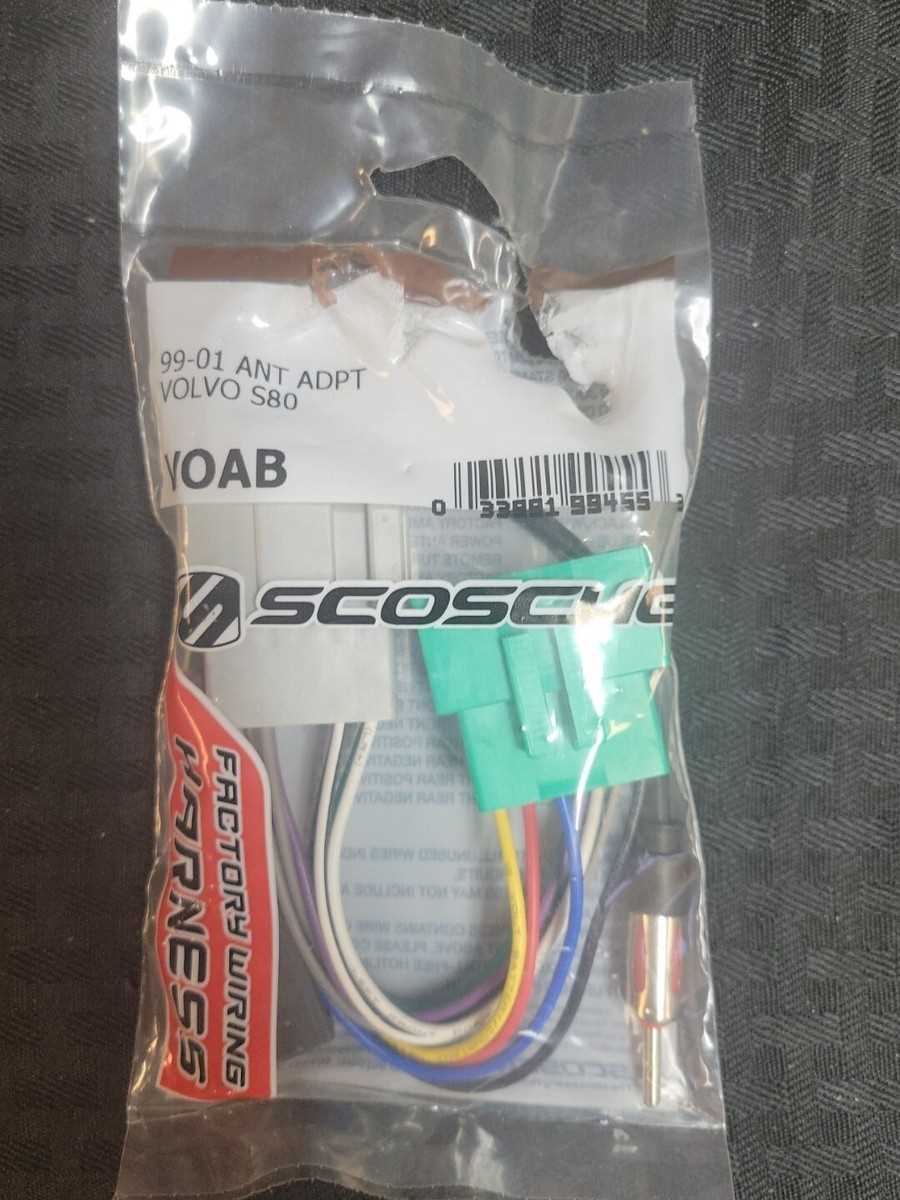
To properly install a car stereo system, it’s crucial to connect the right wires from your vehicle to the stereo unit. The first step is identifying the power supply wire, which connects to the vehicle’s battery and provides power to the system. Next, locate the ground wire, which ensures proper operation by preventing any electrical short circuits. A common mistake is mixing up the ground wire with the speaker or ignition wires, so double-checking the color codes and labels is vital.
After identifying the power and ground wires, you’ll need to connect the speaker wires to the appropriate outputs on the stereo unit. The wiring setup will include color-coded connections for each speaker, so ensure the left and right channels are connected correctly. If you’re adding additional components, like an amplifier or subwoofer, refer to the installation manual to ensure the proper connections to the auxiliary power and remote turn-on wires.
Lastly, test the system to ensure all connections are secure and functional. It’s also a good idea to secure any exposed wires with electrical tape or wire connectors to prevent accidental short circuits. If your system includes a display or camera setup, check the video and audio signals to confirm they work seamlessly before finalizing the installation.
Wiring Installation Guide for Car Audio Systems
Begin by locating the main wire bundle coming from your stereo. The first task is to identify the power wire. This wire will typically be red or another color specified in your manual. Make sure to connect it to the vehicle’s 12V supply for the stereo to power on.
Next, find the ground wire. It’s crucial to attach this wire to a solid metal surface in your car, ideally where the factory radio was grounded. A weak or improper connection here can cause audio issues or failure to start the system. Use a wrench to tighten the connection to ensure a firm bond.
Then, move on to the speaker connections. Each speaker will have its designated wire, usually color-coded. Connect the corresponding wire from your stereo to the corresponding wire in the vehicle. Left and right channels need to be matched correctly to ensure sound comes out of the proper speakers.
If you’re adding extra components like an amplifier or subwoofer, you’ll need to connect the appropriate power wires. Locate the remote turn-on wire that controls when the additional components are powered. This is typically a blue wire, and it should be connected to a source that turns on with the stereo.
After securing the connections, test the system. Before mounting everything permanently, power on the car and check if the stereo works correctly, and the sound is routed properly to all speakers. Verify that no wires are loose or exposed, as this can lead to short circuits.
It’s also recommended to use electrical tape or wire connectors to cover any exposed wires. This not only helps avoid accidental short circuits but also prevents the wires from wearing out due to constant movement. A good quality connector will ensure a more secure connection than twisting the wires together.
Once you’re satisfied with the setup, finish by carefully routing the wires out of sight and securing them under panels to avoid interference or damage. Finally, reassemble the dashboard and test again to ensure everything is working as expected before driving the vehicle.
Identifying the Correct Wires in Your Wiring Set
Start by referencing the manual that came with your set. It typically provides color-coded identification for each wire. For example, the power wire is often marked in red, while the ground wire may be black. Confirm the function of each wire using this guide to prevent errors during installation.
Next, use a multimeter to double-check wire functions. Place the multimeter’s positive probe on the power wire and ground the negative probe. You should get a reading of around 12V when the ignition is on, confirming the wire is indeed powering the system. This extra verification can prevent mistakes that could lead to faulty wiring.
Once the main wires are identified, move on to the speaker and accessory wires. These are often marked by their color as well, but also by their position in the connector block. Use a continuity tester to ensure the connection is secure and confirm the path each wire follows in your vehicle. This will help prevent mismatched connections that can damage your system.