Begin by gathering all necessary tools and safety equipment before you start. This includes a voltage tester, screwdriver, wire stripper, and insulated tools to prevent accidental shocks. Make sure the power supply is turned off at the circuit breaker before touching any wires.
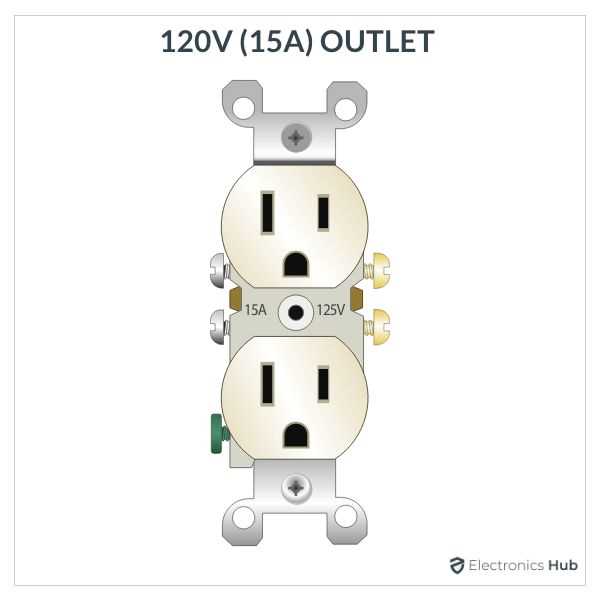
Identify the wires that will be connected to the terminal screws on the socket. Typically, the black or red wire is the live or hot wire, the white wire is neutral, and the green or bare wire is the ground. The ground wire should always be securely attached to the green screw on the socket.
Carefully strip about half an inch of insulation from each wire to expose the copper. When connecting the wires, the live wire goes to the brass screw, neutral to the silver screw, and ground to the green screw. Double-check each connection to ensure it’s tight and secure.
Once the connections are made, carefully insert the socket into the box and secure it with screws. Then, replace the cover plate and turn the power back on to test the socket with a voltage tester to confirm it is working correctly.
Finally, ensure that all wires are properly tucked into the electrical box to avoid any potential hazards. If you’re unsure at any step, it’s always best to consult with a licensed electrician to ensure everything is up to code and safe for use.
Basic Electrical Outlet Wiring Guide
Start by turning off the power at the main circuit breaker to avoid any risk of electric shock during installation. Verify the power is off using a voltage tester before proceeding with any work on the socket.
Next, prepare the wires that will be connected to the terminal screws of the socket. The typical wire colors are black or red for the hot wire, white for neutral, and green or bare copper for the ground. Make sure to strip approximately half an inch of insulation from the end of each wire to expose the copper beneath.
Connecting the Wires
Connect the hot wire (black or red) to the brass-colored screw on the socket. The neutral wire (white) should be attached to the silver-colored screw. Finally, attach the ground wire (green or bare) to the green screw on the socket. Ensure each wire is securely tightened to prevent any loose connections that could cause electrical issues.
Once all wires are connected to their respective terminals, carefully tuck them into the electrical box. This will prevent them from being pinched or exposed when the socket is mounted.
Mounting and Testing the Socket
Place the socket into the electrical box and secure it with screws. Be sure not to overtighten, as this could damage the socket or the wires. Once the socket is secured, replace the cover plate and restore power to the circuit.
After restoring the power, use a voltage tester to check the socket for proper operation. The tester should show a 120V reading, indicating the socket is functioning correctly.
If there are any issues, double-check all wire connections and ensure the circuit is properly grounded. If you’re unsure about any step, it’s always a good idea to consult with a licensed electrician for guidance.
How to Identify and Prepare the Wires for Outlet Installation
Start by ensuring the power is completely off at the breaker box to avoid any electrical hazards. Use a voltage tester to verify that no power is running to the wires before beginning any work.
Next, remove the faceplate and unscrew the existing outlet to expose the wiring. Take note of the wire colors to identify their functions. Typically, the black or red wire is the “hot” wire, white is the “neutral,” and green or bare wire is the ground wire.
Use a wire stripper to carefully remove about half an inch of insulation from each wire. Be cautious not to nick the wire, as this can cause future problems. For the hot and neutral wires, ensure the exposed copper is clean and free of any damage.
Inspect the ground wire. If it’s made of copper, ensure it’s free from corrosion and is long enough to reach the ground terminal on the new outlet. If it’s old or damaged, replace it with a new piece of wire of the same gauge.
For a secure connection, twist the exposed copper ends of the wires into a small loop. This will allow the wire to form a firm connection with the screws on the new outlet terminals.
If you’re working with older wiring, ensure the wires are still up to code. If you see any frayed or worn-out wiring, it’s best to replace it entirely to prevent safety hazards during and after installation.
After preparing the wires, carefully organize them in the electrical box to prevent them from becoming pinched when installing the outlet. Double-check the connections before securing everything back into place to ensure proper functionality.